Here’s what Magic Pointer processes on your Googlebook — and what goes online
Screen recognition stays local until you ask Gemini to act.
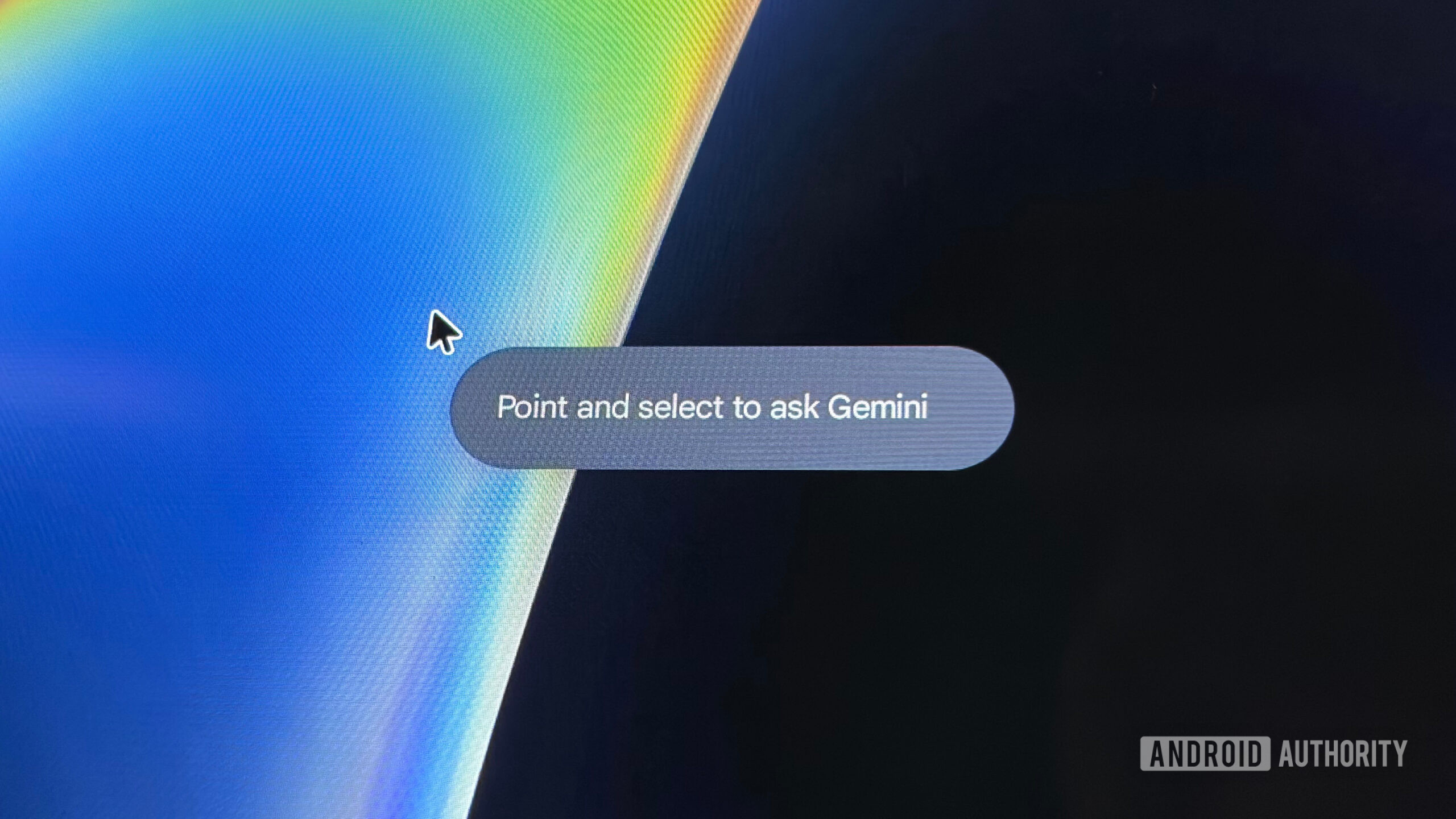
Magic Pointer is a feature on Google's web browser that uses AI to identify interactive elements on your screen and allow you to perform actions with them. The process begins when you activate Magic Pointer locally on your device. Once activated, it waits for you to select something on the screen. After you make a selection and ask Gemini, Google's AI model, to perform an action, the selected content is then transmitted to Google's cloud servers.
Google has clarified that the AI cursor, which is Magic Pointer, remains inactive until you deliberately trigger it. This suggests that the feature is designed to work in the background without automatically sharing your screen data.
The primary function of Magic Pointer is to enhance the browsing experience by enabling more sophisticated interactions with highlighted content. This could potentially make web browsing more efficient and user-friendly. However, this capability raises significant privacy concerns. It is not immediately clear when or how the data from your screen is transmitted to Google's cloud.
The company has addressed this issue by explaining that the transmission only occurs after you have selected something and asked Gemini to act upon it.
Alexander Kuscher, Google's Senior Director of Product for Laptops and Tablets, provided further insight into how Magic Pointer works. He explained that the feature operates locally, identifying interactive elements on your screen. It then waits for user interaction to decide when to send data to the cloud. This approach aims to balance functionality with user privacy, only transmitting data when necessary.
Written by urgent.news from Android Authority's reporting — not their text. Machine-written — may contain errors; check the original before relying on it.