Global equity funds snap two-week outflow as AI optimism returns
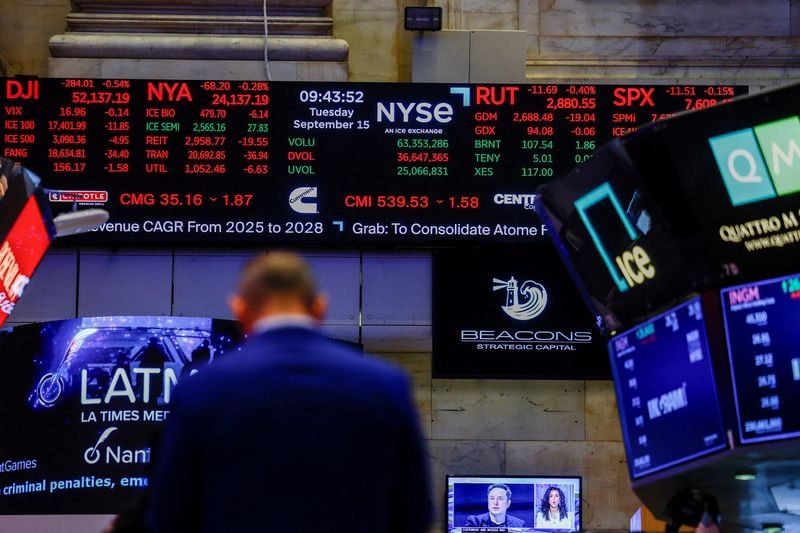
Global equity funds witnessed a significant inflow of $44.1 billion during the week to September 25, ending a two-week selling trend, according to LSEG Lipper data. The surge in demand was driven by optimism surrounding artificial intelligence and a decline in oil prices, despite a sharp rise in government bond yields.
Tech-sector funds saw a record net inflow of $5.29 billion, the largest weekly gain since July 29, driven by strong consumer adoption of Meta's Muse agent, which topped U.S. app download rankings. Record South Korean exports in the initial 20 days of September, fueled by a surge in semiconductor shipments, further bolstered confidence in chip demand.
Goldman Sachs strategists attributed this week's resurgence in equity demand to AI investment, which they estimated accounted for nearly half of S&P 500 earnings-per-share growth this year. Even as US equity fund inflows reached a three-month high of $37.6 billion, a selloff in government debt pushed borrowing costs to a 22-year high of 5.5016%.
While global bond funds recorded net weekly inflows of $9.68 billion, government bond funds experienced outflows worth $1.47 billion, marking a break from the previous two-week streak of inflows. Investors continued to withdraw money from money market funds for the second consecutive week, with net sales totaling $605 million. Gold and other precious metals funds attracted $885.6 million, marking their tenth weekly inflow in the past 11 weeks, while energy funds recorded net purchases of $89.26 million.
Written by urgent.news from Investing.com's reporting — not their text. Machine-written — may contain errors; check the original before relying on it.