Global coral reefs get less time to recover as oceans heat up, report finds
The world’s coral reefs are losing both hard coral cover and, just as critically, the time they need to recover between increasingly frequent marine heat waves, according to the most comprehensive global reef assessment yet. Released Aug. 31 by the Global Coral Reef Monitoring Network (GCRMN), the “Status of Coral Reefs of the World: 2025” […]
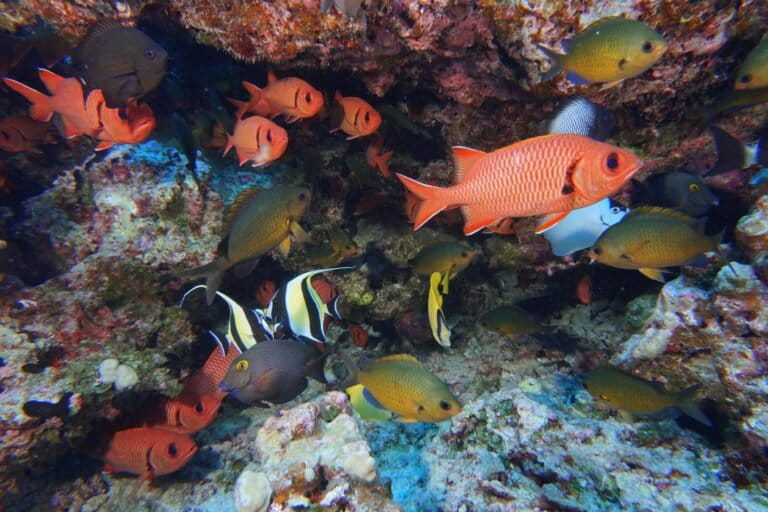
The world's coral reefs are rapidly losing both hard coral cover and the time they need to recover between frequent marine heat waves, according to the most extensive global assessment to date. Published on August 31 by the Global Coral Reef Monitoring Network (GCRMN), the "Status of Coral Reefs of the World: 2025" report synthesizes 21.1 million observations from 87,299 surveys conducted at 36,886 sites across 123 reef-bearing nations, territories, and economies between 1980 and 2024.
The report reveals a significant decline in global hard coral cover, which fell from an average of 30.2% during a reference period from 1980 to 2009 to 27.3% between 2020 and 2024. This represents a loss of 2.9 percentage points, or 9.5% relative to the reference period. The assessment considers this figure conservative, as monitoring began after many reefs had already experienced degradation and uneven data coverage may introduce limitations when comparing regions.
Hard coral cover continued to plummet to 25.8% in 2024. The report emphasizes hard coral cover as the primary indicator due to the critical role of hard corals as ecosystem engineers, their easily measurable cover, and consistent worldwide monitoring, which facilitates comparisons across regions and timeframes.
From April 2023 to mid-2025, coral reefs endured a fourth global bleaching event, a phenomenon declared by...
Written by urgent.news from Mongabay's reporting — not their text. Machine-written — may contain errors; check the original before relying on it.