Ghana still vulnerable to external shocks due to weak economic buffers – Prof Quartey
Economist Professor Peter Quartey has warned that Ghana remains highly vulnerable to external economic shocks because the country has limited buffers to absorb global disruptions.
Economist Professor Peter Quartey has cautioned that Ghana remains highly vulnerable to external economic shocks due to a lack of sufficient buffers to absorb global disruptions. Speaking on Joy News’ PM Express Business Edition, Quartey highlighted that Ghana continues to rely heavily on imported processed fuel, despite being an oil producer. This reliance, he said, leaves the country particularly exposed to external shocks.
While acknowledging that businesses might experience temporary relief from borrowing costs following the Bank of Ghana's decision to maintain the policy rate at 14%, Quartey cautioned that this relief is contingent on the unfolding of global developments. "Oh yes, certainly businesses should be comforted, but temporarily," he said.
"I mean, we should just touch wood, touch wood if nothing happens, if the prices come down, if what is happening in Iran between Iran and the U.S. doesn’t escalate and things get better, then why not?"
Quartey pointed out that Ghana's vulnerability becomes more evident when compared to countries facing similar geopolitical tensions, which often have reserves to protect them during global disruptions. "For these countries that are even fighting, Iran, the U.S., and the rest, they have a buffer. They have oil reserves that they can fall on," he explained. "Basically, they have very little buffer to fall on, and therefore, anything that happens is that when they sneeze, we catch a cold."
One of the major weaknesses identified by Quartey is Ghana's limited domestic fuel processing capacity. Although Ghana is an oil producer, the country is not processing enough of the oil it produces, instead continuing to import processed fuel. "And I think we are not processing enough of the oil. We are an oil producer, but we are not processing quite a good chunk of the oil," he said. "We still continue to import processed fuel, and that is a big problem for us."
Quartey also expressed concerns about Ghana's continued reliance on fossil fuels, particularly petrol and crude oil, while other countries are accelerating their transition to alternative energy sources. "Secondly, we’re relying too much on fuel, petrol and, you know, crude, for instance, whereas in other countries, other forms of fuel, green energy, green transition is happening rapidly," he noted. "That is not happening so much with us, and I think that makes us very vulnerable to external shocks."
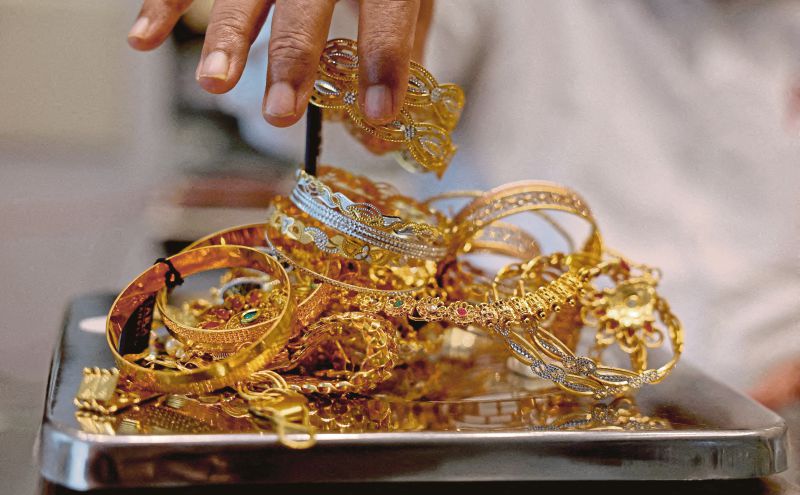
Lastly, Quartey highlighted Ghana's heavy dependence on gold for export earnings as another source of vulnerability. "And if you even look at our exports, for instance, at the moment, gold accounts for almost 60% or 61% of our export earnings," he said. "That puts you in a very vulnerable situation." He warned that should gold prices tumble or anything happen to the international market, Ghana could suffer significant consequences.
Written by urgent.news from MyJoyOnline Ghana's reporting — not their text. Machine-written — may contain errors; check the original before relying on it.
This story
This is one outlet's version. Read the fullest account.