German consumer sentiment drops more than expected as energy costs hit incomes
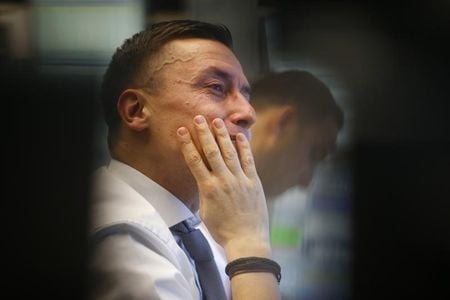
German consumer sentiment declined more than anticipated in September, reaching its lowest point since May, according to a survey released on Friday. The NIM Consumer Climate index, which gauges consumer attitudes, dropped by 3.8 points to -30.6 for October, falling short of the predicted -27.4 and down from a revised -26.8 in September.
The primary driver of the decline was a sharp drop in income expectations, with the related sub-index plummeting by 16.7 points to -15.0, its lowest level since April 2026. Households expressed growing anxiety over the impact of soaring energy costs on their purchasing power, leading to a significant boost in saving intentions, particularly among more affluent families.
This response suggests that some consumers are prioritizing saving over spending due to the squeeze on disposable income. Willingness to save increased by 6 points to 21.5, the highest level since the 2008 financial crisis. Meanwhile, willingness to purchase declined by 1 point to -10.8, remaining near the -10 mark for over three years, indicating persistent weak consumer demand.
Economic expectations showed the only improvement among the main components, rising by 0.5 points to -3.4 for a fifth consecutive monthly increase. This upward trend reflects a slightly more optimistic outlook on Germany's economic prospects, following a better-than-expected performance in the first half of 2026. Economic growth forecasts have been raised, with GDP now expected to grow by just over 1% in both 2026 and 2027.
Although price expectations eased slightly, falling to -0.4 from 0.2 in August, the overall deterioration in household sentiment indicates ongoing challenges for consumption. ING Global Head of Macro Carsten Brzeski cautioned that the data is unfavorable for the broader economy, highlighting both the low absolute level of consumer sentiment and its downward trend.
Despite positive improvements in economic expectations, the decline in household sentiment suggests persistent weakness in consumption, according to Brzeski. He noted that the cyclical improvements in other leading indicators, such as the Ifo index and purchasing managers' surveys, have yet to translate into stronger consumer confidence.
Factors such as high energy prices, labor market uncertainty, and elevated interest rates could hinder the recovery in business sentiment from positively affecting households. Brzeski also pointed out that consumer sentiment has historically been weaker than actual private consumption since the 2022 energy shock, indicating that the indicator may overstate pessimism and be better suited for identifying turning points rather than forecasting the magnitude of changes in household spending.
Written by urgent.news from Investing.com's reporting — not their text. Machine-written — may contain errors; check the original before relying on it.