From Agent Authorization to AI Production Evaluation: QCon AI New York 2026
QCon AI New York has confirmed 23 sessions covering agent authorization, production guardrails, shared inference infrastructure, and the evaluation of AI systems after deployment. By Artenisa Chatziou
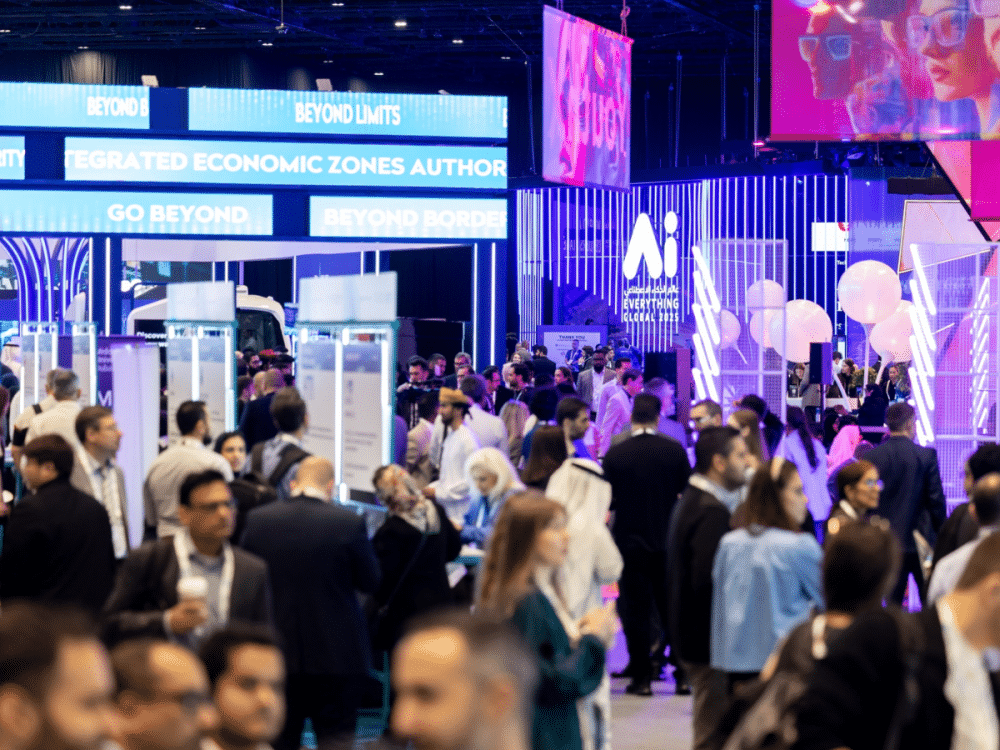
QCon AI New York 2026 has confirmed 23 of over 30 sessions for its upcoming conference on December 15–16, 2026 at The Westin Jersey City Newport. The program focuses on senior engineers, architects, and technical leaders working on AI production systems. The conference highlights the shift from model behavior to system behavior as AI systems become more capable and autonomous. This requires bounded execution authority for agents, managing context and state, and wrapping probabilistic models in deterministic control planes.
In the keynote "When Software Becomes a User: Identity and Authorization for Agents in Production," Nancy Wang, CTO at 1Password, will discuss how identity and authorization models for software agents differ from traditional identity systems. Agents may operate for multiple users, invoke tools not predetermined, create subagents, and function without direct supervision. She will cover delegated authority, auditability, and the balance between permissions that are too broad or too narrow for agents.
Ronak Nathani, Principal Staff Software Engineer at LinkedIn, will present LinkedIn's Kubernetes Ops Agent. This agent enables investigation of deployment failures through Slack, coding-agent plugins, and automated workflows. Nathani will discuss engineering controls required for agents moving from explaining problems to taking production actions. These include server-side rate limits, protection against delete and scale-down operations, access controls, bounded actions, and peer approval for production changes.
Rajat Shah, Staff Software Engineer at Netflix, will discuss the company's five-year effort to consolidate its model-serving infrastructure. The platform handles about one million inference requests per second across 300+ models, from recommendations to large language models. Shah will examine the challenges of supporting different latency regimes, defining a common deployment contract, and determining where business logic ends and model logic begins. The session will also cover the operational costs and challenges introduced by this approach.
Written by urgent.news from InfoQ's reporting — not their text. Machine-written — may contain errors; check the original before relying on it.