Federal cyber agency unveils midterm plan with 40 days to go: ‘For them to come in 5 weeks before the election, yeah, nice effort’
The plan arrived weeks after its mid-August deadline, after states had already turned to private vendors to replace federal cybersecurity support.
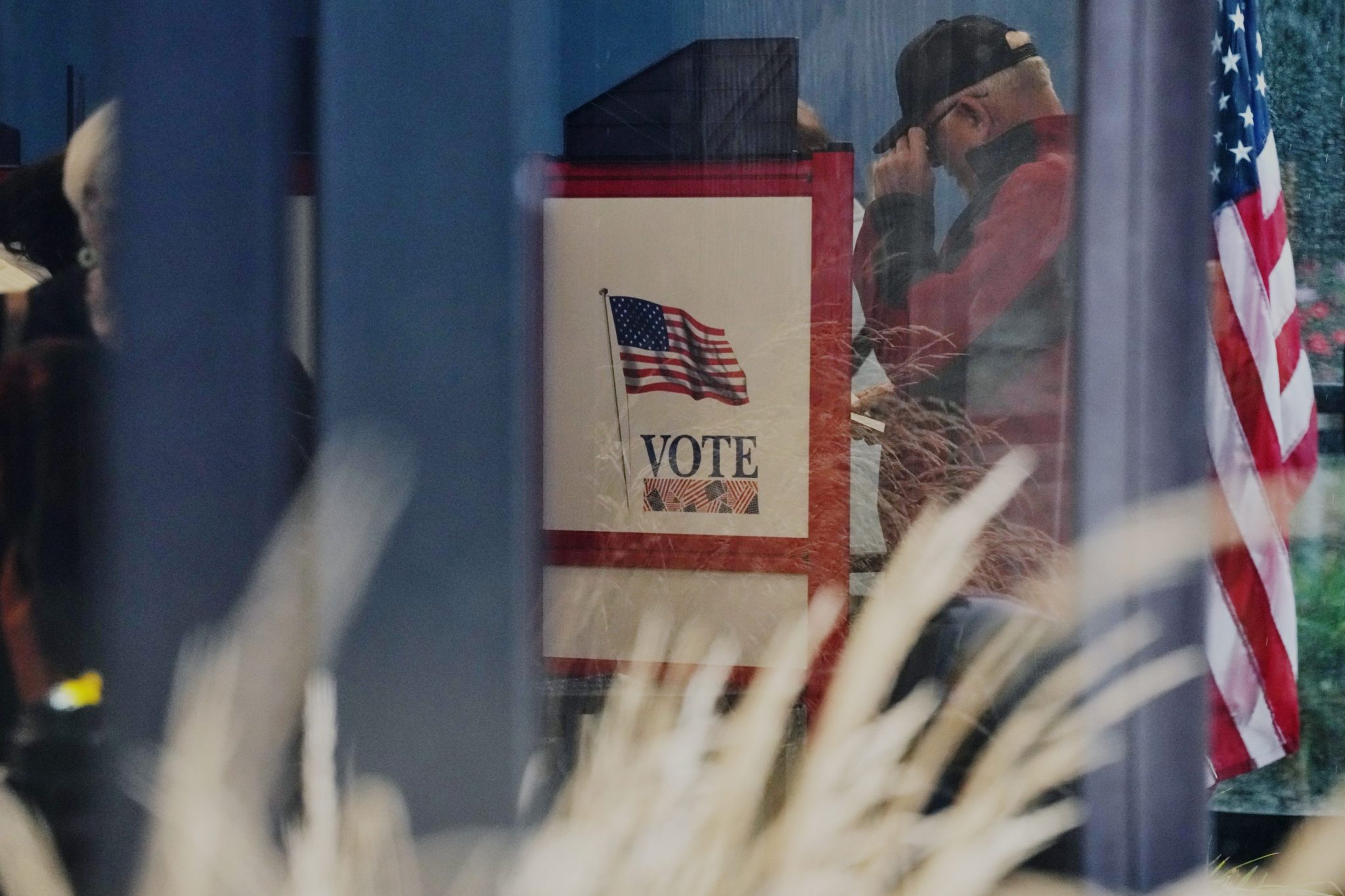
The federal cybersecurity agency recently unveiled an election infrastructure security plan just 40 days before the 2024 midterms, detailing potential threats to election systems and outlining services it would provide to election officials to safeguard the vote. However, election officials have criticized the plan as inadequate and belated, as the administration had previously cut resources for election security last year.
Nevada's Democratic Secretary of State, Cisco Aguilar, stated that while the federal government's five weeks before the election timeframe was "nice effort," more funding could have been provided. Homeland Security Secretary Markwayne Mullin had promised to release the plan by mid-August during his tenure in the Trump administration, but the plan was released later than expected.
The U.S. Cybersecurity and Infrastructure Security Agency (CISA), under the Department of Homeland Security, has historically warned state and local election officials about potential threats from foreign governments. However, CISA was largely absent during the 2024 elections, with the Trump administration dismantling much of its role in election security.
The 13-page document warned of threats such as software vulnerabilities, voter registration database hacks, insider threats, and physical security incidents. But it affirmed that many existing election practices can address these threats. Several election officials have claimed that CISA's promised services, such as live tabletop exercises and penetration tests, were not available for the 2024 midterms.
Minnesota's Democratic Secretary of State, Scott Simon, mentioned that his office expects to spend $250,000 on private vendors for penetration testing. Shenna Bellows, the Democratic Secretary of State in Maine, also mentioned sporadic and irregular communications with CISA. Kris Warner, the Republican Secretary of State in West Virginia, acknowledged that while CISA provided some assistance throughout the Trump administration, its efforts had been cut back during his tenure.
In August, a tense call between CISA officials and election officials led to concerns about trust issues. The plan released Thursday did not mention specific 2026 threats from adversaries like Russia, Iran, or China.
Written by urgent.news from Fortune's reporting — not their text. Machine-written — may contain errors; check the original before relying on it.