Fast, Severe Wildfires Can Change How Forests Grow Back
These blazes can cause ecological shifts even in fire-adapted forests.
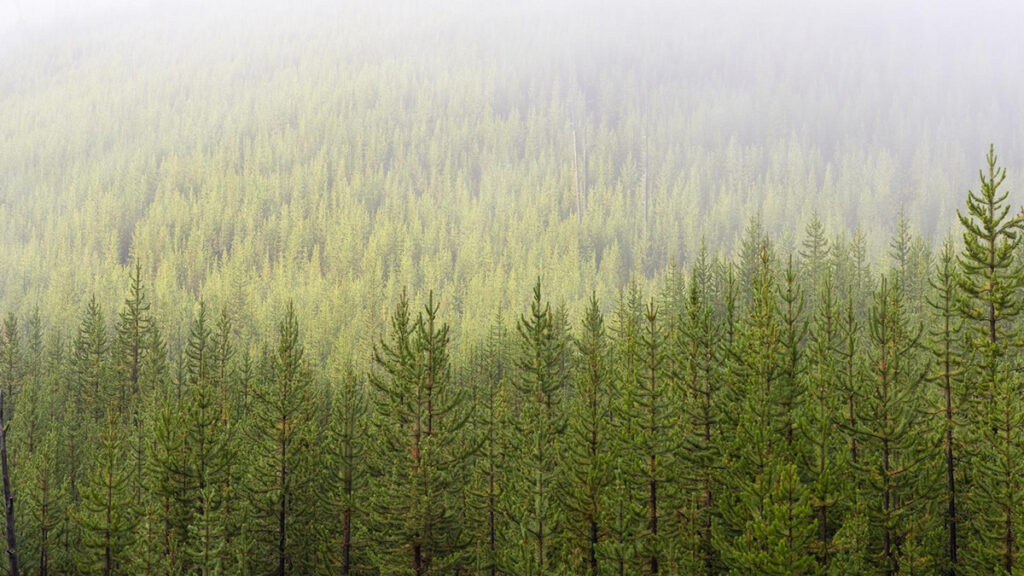
Climate change-induced drought is causing wildfires to become larger and more frequent in the western United States and Canada. A study examining nearly 3,500 recent fires in the region reveals that when a fire spreads quickly, it burns a larger portion of the affected area and leaves less space between severely burned trees and their potential for regrowth.
This suggests that forests may not return to their original state after a fast, severe wildfire, leading to significant and unpredictable changes in the ecosystem. Jonathan Coop, an ecologist at Western Colorado University and the study's lead researcher, notes that current fire regimes are far outside what the forests evolved to cope with, resulting in postfire ecosystem trajectories that differ greatly from pre-fire forest types.
Some forests have evolved to expect specific types of wildfires, such as black spruces and lodgepole pines that require fire to release their serotinous seeds, while ponderosa pines' thick bark enables them to survive surface fires. However, climate change and drought have intensified fire conditions worldwide, making forests that have adapted to certain fire severities and frequencies unable to keep up with harsher and more frequent fires.
Additionally, wildfires are becoming more common in forests that were previously less prone to them. Nathan Kiel, an ecologist at the State University of New York in Syracuse, emphasizes that the study highlights the outsized impact of rapid fire spread on forests, while landscape ecologist Nathan Gill from Texas Tech University confirms the study's evidence linking fire spread rate, burned area, and fire severity as logical and now confidently applicable to much of North America's forested regions.
Written by urgent.news from Eos's reporting — not their text. Machine-written — may contain errors; check the original before relying on it.