Explainer-The road ahead for Volkswagen’s restructuring
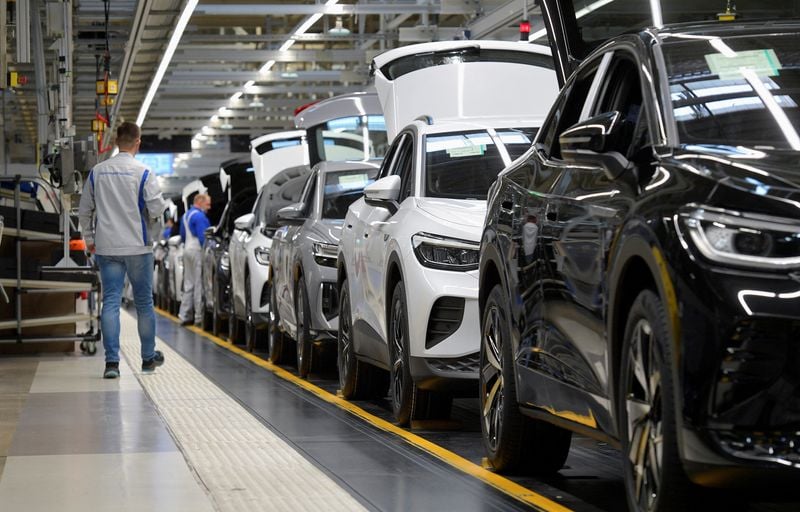
Volkswagen CEO Oliver Blume has received approval from stakeholders for his company's restructuring plan, but he will face significant challenges in Germany, including job cuts, plant closures, and questions about the automaker's US strategy. The supervisory board will discuss these issues at a meeting on Friday, including the details of the restructuring and the US strategy, where the company has incurred substantial losses due to tariffs.
The company must also decide whether Audi, its premium brand, should establish its own US production site, a decision that requires the board's approval. While half of the 50,000 planned job cuts will likely take place in Germany, restructuring efforts are underway in other countries as well. Volkswagen has already reduced its workforce in China from 90,000 to 70,000 due to falling sales, and further reductions are expected, with capacity cuts of 500,000 vehicles.
The German industrial union IG Metall is negotiating with management over the overhaul, expressing concerns that it may violate a 2024 labor agreement. The union, which is bound by a strike truce until January 1, 2027, wants the 25,000 planned German job cuts to serve as a starting point for negotiations, focusing on cost rather than numerical layoffs. Lower Saxony, Volkswagen's second-largest shareholder, is also fighting to prevent local job losses.
Volkswagen plans to finalize a European production strategy by the end of June 2027, a critical period for plants at risk of closure. The company intends to eliminate over 500,000 vehicles' worth of capacity, with the Emden, Zwickau, Hanover, and Neckarsulm plants scheduled to close between 2031 and 2034. Potential solutions include shifts to defense or Chinese partnerships, though no concrete plans have been announced yet.
There is also flexibility in working hours, as the 2024 agreement allows for a four-day week if the company faces financial difficulty.
Written by urgent.news from Investing.com's reporting — not their text. Machine-written — may contain errors; check the original before relying on it.