Everyone's Still Talking About Climate Change, Actually
The conversation is now all about energy security, competitiveness, and affordability.
Last year, concerns about the U.S. climate administration seemed to dampen the spirit of New York Climate Week. However, this year, the conversation surrounding climate change persisted with vigor. Business leaders and advocates convened for serious discussions on diverse topics, including AI-driven electricity demand, geopolitical impacts on energy markets, and the state of energy and climate policy.
Protesters demonstrated on the streets, highlighting the need for more decisive action. Notably, U.S. officials, including those from the former Trump administration, participated in sessions, although their presence may have been framed through the lens of concurrent United Nations General Assembly meetings.
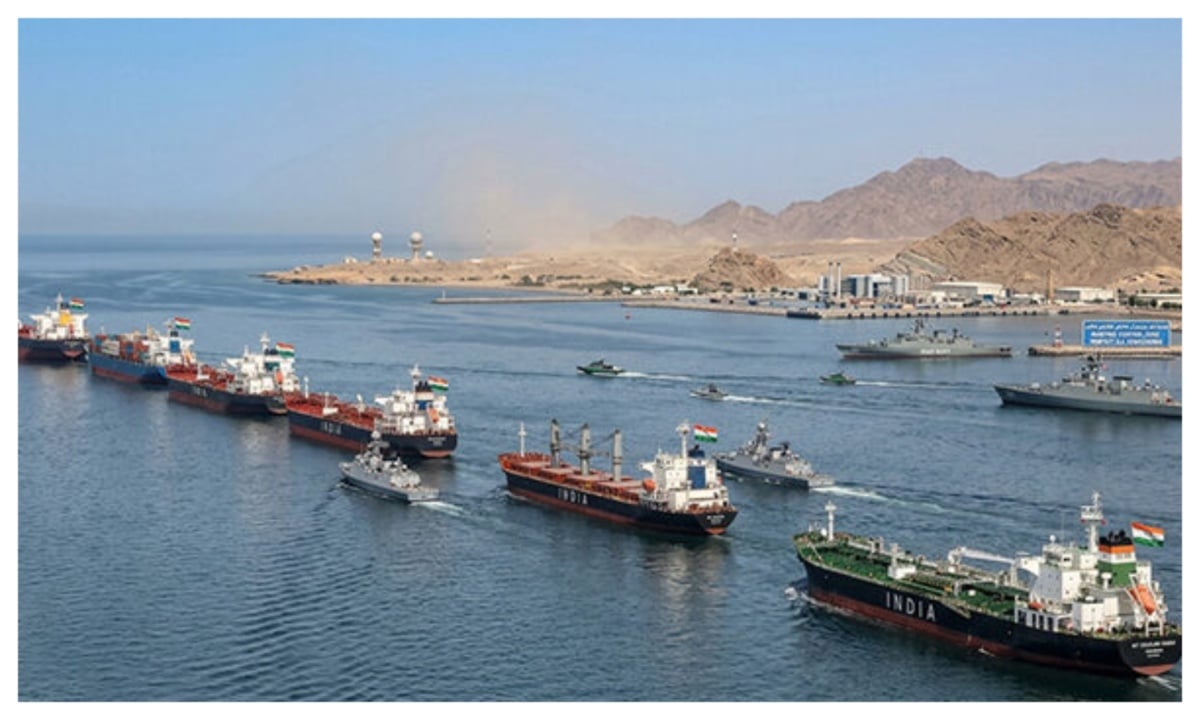
Factors contributing to the continued engagement in climate discussions include the heightened importance of energy issues for companies and the economy. The ongoing energy-market disruptions stemming from the war in Iran and the political backlash against data centers and rising power prices have underscored the significance of these issues. Additionally, the tangible economic impacts of climate change, such as storms, heat waves, and fires, have compelled even robust firms to acknowledge the need for action.
Despite these developments, the vitality of New York Climate Week has its limitations. While American participation remains strong, the attendance of non-U.S. leaders has waned, particularly from Europe. Many Europeans have opted to attend alternative events like London Climate Action Week instead. Furthermore, the discussion has evolved by shedding its traditional vocabulary, favoring terms like energy security, competitiveness, and affordability over climate action, net zero, and emissions.
This shift might signify a departure from the ambitious goals of past events, but it also mirrors a harsher reality: even without explicitly discussing climate action, companies cannot ignore the challenges posed by rising emissions.
The debate over the framing of climate issues—whether through a focus on emissions reduction paired with economic growth or a more pragmatic approach—remains open. While celebrating emissions reduction alongside economic growth, the urgency of addressing the climate crisis cannot be overlooked. The actions taken in response to these challenges may determine whether society ultimately adopts a proactive, adaptive stance or succumbs to populist backlash.
Written by urgent.news from Time's reporting — not their text. Machine-written — may contain errors; check the original before relying on it.