Domestic violence perpetrators are going undetected. Here's why
A horror weekend of suspected domestic violence-related deaths in NSW has exposed a huge gap in the response to the issue plaguing Australia, after police revealed they didn't know the alleged offenders.
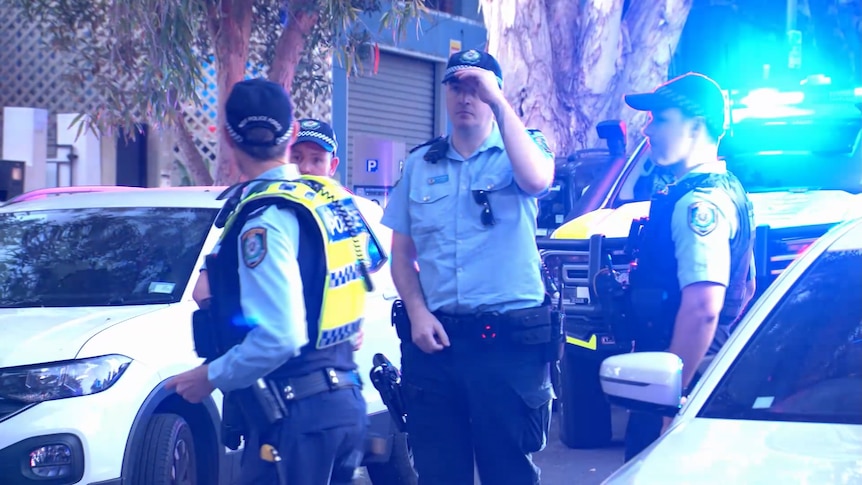
A series of five suspected domestic violence-related deaths in New South Wales over a 24-hour period has highlighted a significant gap in the system: when the perpetrator is not already known to the police, who is supposed to identify them? Four victims, including three women and a child, were killed in these attacks last weekend, with the number rising to five by Thursday after a one-year-old was stabbed in the Blue Mountains and died in hospital.
These incidents have sparked questions about how authorities can respond when the suspected offender is not on the police's radar.
According to the Bureau of Crime Statistics and Research (BOCSAR), there were over 38,800 domestic violence-related assaults in the 12 months leading up to June 26, marking a 3.4 percent increase over the past decade. Since 2000, 351 women, 230 men, and 137 children have been killed in domestic violence-related homicides in New South Wales. However, police are limited by what is reported to them, creating a challenge in intervening when no one knows there is a problem.
Despite recent improvements, under-reporting of domestic violence remains widespread. A 2021-23 Domestic Violence Death Review found that half of the men who killed a female partner had a history of violence that had never been reported to the police. Vince Hurley, a Macquarie University criminologist and former police detective, believes this figure could be much higher, estimating that around 75 percent of domestic violence offenders are not known to the police.
The information may be recorded by other agencies, such as hospitals or GPs, but privacy regulations often prevent this information from being shared with the police. Dr. Hurley has identified untreated mental health conditions, alcohol use, and drug use as key underlying issues contributing to domestic violence offenses, particularly among those from low socio-economic backgrounds who may not have access to necessary services.
Dr. Hurley's research has also revealed that mental health conditions are not always a factor in domestic violence homicides, but they can contribute to the risk. The NSW Mental Health Minister, Rose Jackson, emphasized the importance of distinguishing between antisocial behavior and genuine mental health issues to avoid stigmatizing those who suffer from mental illness while still holding perpetrators accountable for their actions.
Early intervention is crucial to preventing domestic violence from escalating. However, funding for early intervention programs is significantly lower, with only 3.6 percent of national domestic violence funding allocated to such initiatives. Chris Lacey, general manager of No to Violence, argues that the system is heavily focused on helping victim survivors rather than engaging men before they become violent.
He stresses the need for referral pathways from healthcare services to connect at-risk men with appropriate services.
According to the NSW Domestic Violence Death Review Team, nearly half of the women killed by their ex-partners had a prior history of domestic violence, and three-quarters of the men who killed their partners had engaged in three or more types of domestic violence during their relationship. Coercive control, a criminal offense in New South Wales since July 2024, has been recorded in 682 incidents since its enactment, with 42 charges laid.
Early warning signs of escalating behaviors can often be identified during visits to healthcare providers, providing a critical opportunity for intervention before the situation worsens.
Experts agree that breaking down silos between government departments and improving communication is essential to addressing this issue. The CEO of Domestic Violence NSW, Delia Donovan, advocates for better collaboration between various agencies to ensure a more coordinated response to domestic violence.
Written by urgent.news from ABC News AU's reporting — not their text. Machine-written — may contain errors; check the original before relying on it.