DBSA denies retreat from municipal lending
The bank's defence comes as its financial disclosures reveal a deterioration in the credit quality of municipalities.
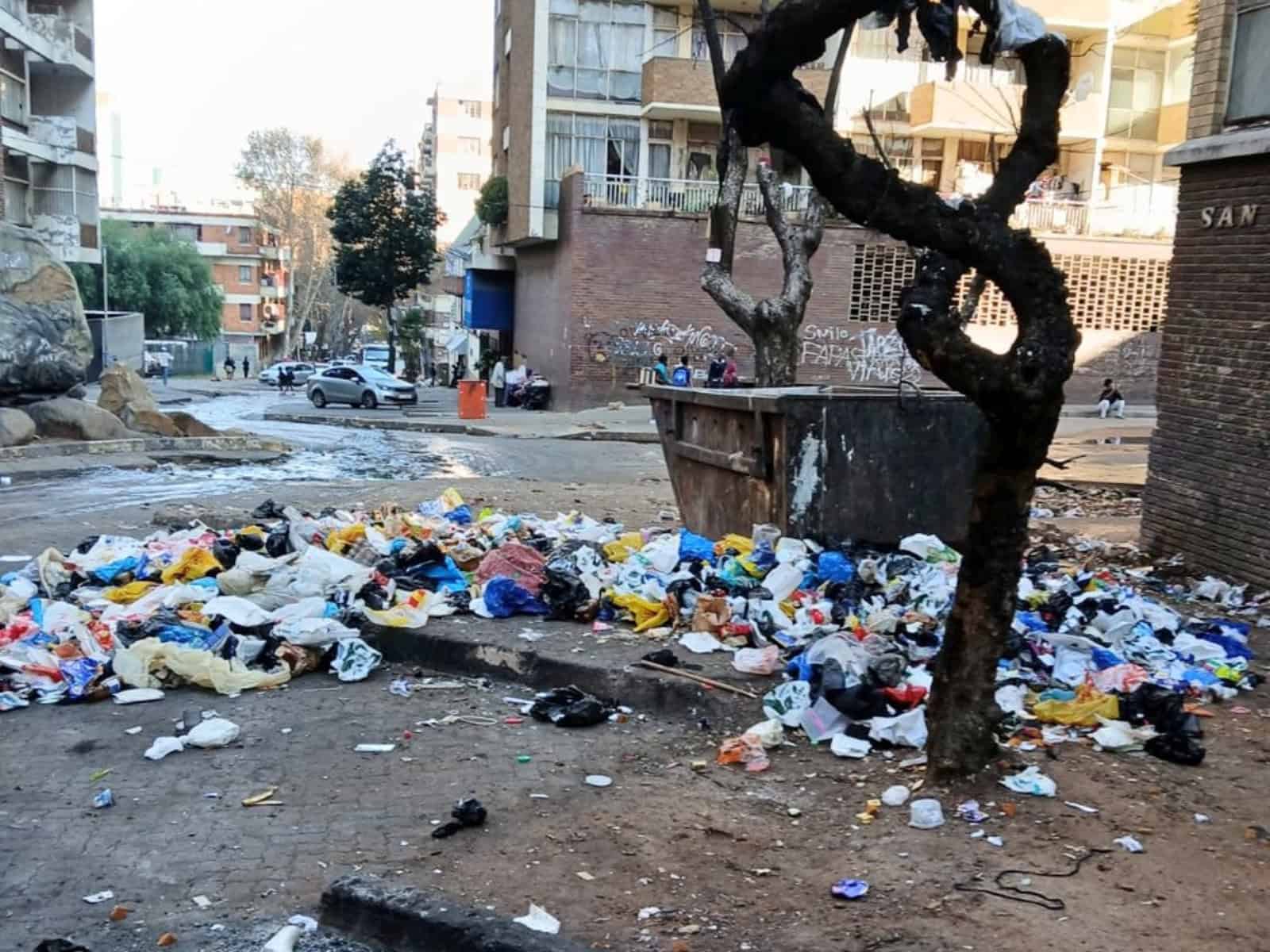
The Development Bank of Southern Africa (DBSA) has faced criticism for allegedly retreating from South Africa's municipalities, despite claiming it remains committed to the sector. The state-owned development financier attributed its reduced funding to municipalities between 2024 and 2026 to a decline in disbursements, noting a nearly 72% drop from R4.6 billion in 2024 to R1.3 billion in 2026.
DBSA defended its stance, stating it is not retreating and continues to support municipalities through non-financing instruments such as governance strengthening, revenue enhancement, and capacity building. However, the bank acknowledged its concern over the credit risk profile of the municipalities, with high-risk exposure increasing from R6.2 billion to R16.1 billion over the past year.
This high-risk classification means that municipalities are still paying their loans or have yet to default but have shown significant credit risk or financial stress. The DBSA has increased provisions in response but has not disclosed the names of high-risk municipalities to maintain banking confidentiality. DBSA board chair David Makhura emphasized the urgency of the municipal infrastructure crisis, stating that municipalities cannot be allowed to fail.
He called for an internal shift, including a professional and technical reset, and urged municipal managers and executives to fulfill their duties. The DBSA maintains it has a fundamentally sound municipal loan book, reporting a collection rate of 99.95% in 2026. Only one small municipality defaulted on a balance of approximately R10 million, which the bank expects to restructure successfully.
Written by urgent.news from The Citizen's reporting — not their text. Machine-written — may contain errors; check the original before relying on it.