Bundesregierung: Wohlstand für keinen? Wie die politische Mitte die soziale Marktwirtschaft verspielt
Die Faszination für die Radikalen zerstört die marktwirtschaftlichen Grundlagen. Dabei gibt es Beispiele, wie vernünftige Wirtschaftspolitik die Mitte wieder stark macht.
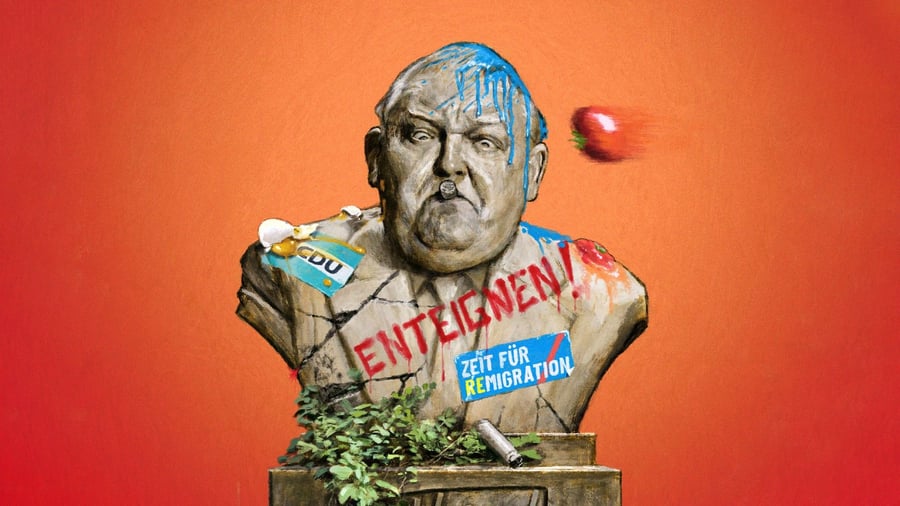
After electoral defeats, Friedrich Merz finds himself increasingly under pressure. Within the Union, disputes arise over whether the coalition should continue its reform course or ease up. The AfD and the Left benefit from many voters feeling they are not sharing in the prosperity. The reason their simple promises are successful, while the political center barely penetrates them.
There is hope for the political center: examples from Canada and Greece demonstrate how to convince one's own citizens, even with decisive leadership and a fair distribution of burdens. As Friedrich Merz begins his speech in the Union's Bundestag faction on Tuesday, everything seems possible. Panic, anger, and uncertainty dominate the deputies' emotional state, seeking an outlet.
Even a chancellor's ousting seemed conceivable in the week following the devastating state elections on Sunday. However, at the end, only the former faction chairman Ralph Brinkhaus counts on the chancellor. "We have a credibility deficit, a future deficit," says Brinkhaus, according to participants. Brinkhaus receives applause for this, but gaining a rebellion against the chancellor is not enough.
The two days after the CDU's electoral defeat in Mecklenburg-Western Pomerania and Berlin provided Merz with the opportunity to promise everything: his critics humility, the minister-president an empathetic and fairer policy, and the reformers in the faction steadiness. He even called on the SPD at the end, for the Berlin coalition to open the door to "hell" to the Left.
Written by urgent.news from Handelsblatt's reporting — not their text. Machine-written — may contain errors; check the original before relying on it.