Brent Set for Weekly Gain as Houthi Attacks Rattle Saudi Oil Supply
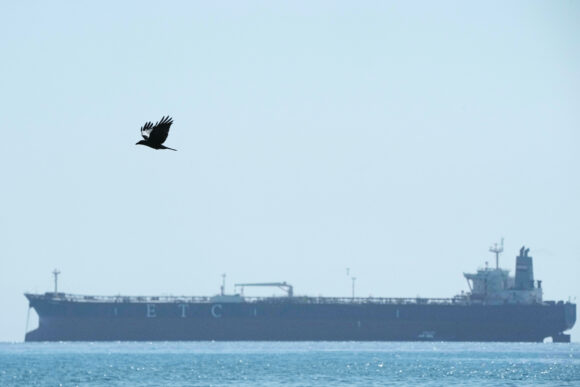
Crude oil prices dipped from Thursday's close earlier today but Brent crude was on track for a weekly gain on continued concern about the security of supply from the Middle East. The concern persists despite reports about a possible deal between the United States and Iran, as well as estimates of oil flows out of the Strait of Hormuz. At the time of writing, Brent crude was trading at $105.65 per…
Crude oil prices remain on a path for a weekly increase as ongoing concerns about Middle Eastern security continue to influence market sentiment. Despite recent reports suggesting a potential US-Iranian agreement, along with estimates of oil flows through the Strait of Hormuz, Brent crude stayed resilient, trading at $105.65 per barrel, up from $102 per barrel on Monday. However, West Texas Intermediate (WTI) has seen a decline, closing at $93.11 per barrel, down from $98 at the week's onset.
The Yemeni Houthi group's persistent attacks on Saudi Arabia have provided vital support to oil prices. Recent Houthi strikes included missile and drone assaults on key Saudi targets, such as the Yanbu port on the Red Sea, which serves as a crucial oil export terminal for Saudi Arabia. The attacks have intensified, with the Houthi group declaring on Thursday that they fired a barrage of missiles and drones at Saudi targets.
Meanwhile, the United States and Iran are reportedly engaged in discussions about a ceasefire, which would involve Iran reopening the Strait of Hormuz in exchange for the lifting of the US naval blockade. Iranian President Masoud Pezeshkian stated that "it's America that must choose whether it wants to end this or not," according to a Reuters quote.
Sparta Commodities' senior oil market analyst, June Goh, predicts that oil prices are likely to stay above the $100 per barrel threshold as there is no clear resolution in sight. Goh told Al Jazeera that "with no clear resolution in sight, the gap in oil inventories globally is getting wider." She added that "diplomatic efforts on the sidelines of the UN are providing some counterweight, but until there is clearer evidence of a durable de-escalation, the upside bias remains in place."
KCM Trade's chief market analyst, Tim Waterer, echoed this sentiment in an interview with Al Jazeera.
Written by urgent.news from OilPrice's reporting — not their text. Machine-written — may contain errors; check the original before relying on it.