Blue Java Banana: Tropical Variety That Surprises With Its Color and Vanilla Flavor
Among the numerous banana varieties found in tropical regions, the Blue Java Banana stands out for an unusual characteristic: When the fruit is still unripe, its skin develops a silvery-blue hue that sets it apart from better-known commercial bananas. Its appearance, combined with its creamy flesh and flavor often associated with vanilla notes, has made […]
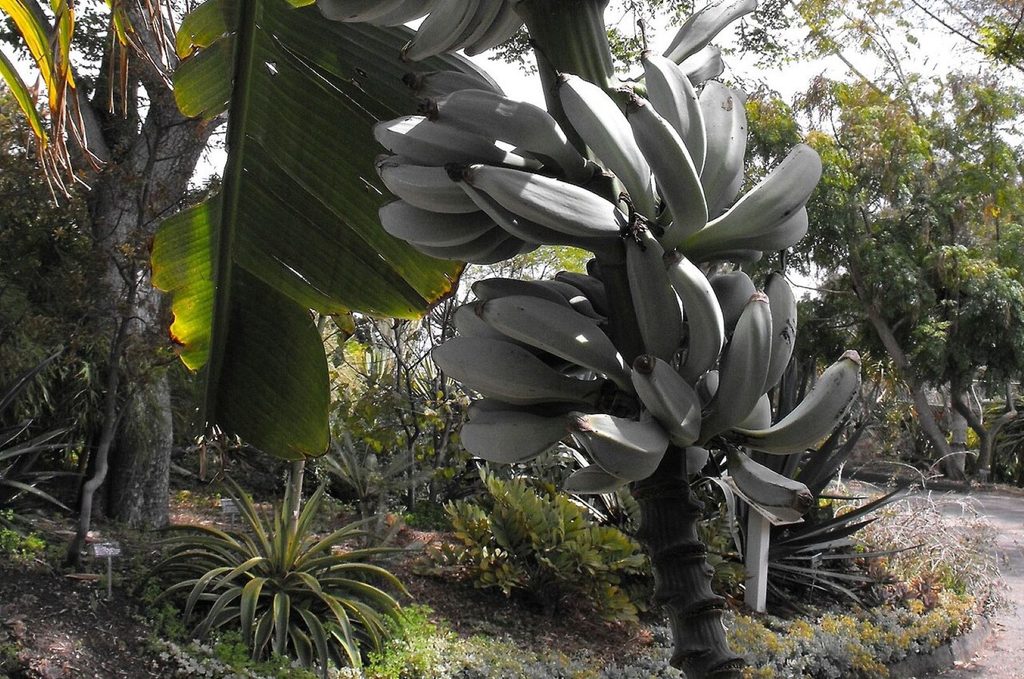
The Blue Java Banana is a unique and visually striking variety of banana that has captured the attention of fruit enthusiasts worldwide. Native to Asia, this hybrid fruit is a cross between Musa acuminata and Musa balbisiana, and it is known for its unusual blue hue that appears on the skin of unripe specimens. The name "Blue Java" refers to this silvery-blue coloration, which contrasts sharply with the standard yellow skin of most commercial banana varieties.
Conversely, the flesh of the Blue Java is typically white or cream-colored, providing a creamy texture that is reminiscent of vanilla ice cream, giving rise to its alternate moniker, "Ice Cream Banana." Despite the suggestive name, the fruit does not contain any ice cream inside, nor does the blue hue extend to the flesh itself, as that is merely a characteristic of the unripe skin.
The Blue Java's origins trace back to Southeast Asia, with particularly notable regions including the Philippines and tropical areas of Indonesia. From there, the variety has spread globally, finding suitable growing conditions in places like Hawaii, Fiji, Australia, Central America, and parts of the United States. It has also made its way to the Canary Islands.
The plant itself can grow quite large, reaching heights of up to 4.5 to 6 meters, with broad leaves that exhibit silvery-green shades, adding to its distinctive appearance. One of the most notable features of the Blue Java is its cold tolerance compared to other banana varieties, making it more resilient to lower temperatures. This characteristic, combined with its ability to thrive in warm and humid environments, makes the Blue Java well-adapted for cultivation in tropical and subtropical regions.
When ripe, the Blue Java develops a sweet, vanilla-like aroma and a notably creamy texture. This unique flavor profile has made the banana a popular ingredient in a variety of culinary applications, ranging from smoothies and baked goods to traditional desserts like pies and cakes. The texture of the ripe fruit lends itself well to smoothies and ice cream alternatives, such as "nice cream," where it is frozen and blended to create a thick, creamy treat that closely resembles ice cream without the need for dairy.
Nutritionally, the Blue Java shares similarities with other banana varieties, providing essential nutrients like potassium, vitamin C, vitamin B6, dietary fiber, and magnesium. These nutrients contribute to a balanced diet, although the exact nutritional content can vary based on factors such as ripeness, size, and growing conditions.
In summary, the Blue Java Banana stands out not only for its striking appearance but also for its aromatic, creamy flavor and versatile culinary uses, making it a noteworthy addition to the world of tropical fruits.
Written by urgent.news from Colombia One's reporting — not their text. Machine-written — may contain errors; check the original before relying on it.