Beyond high-profile wars, a worldwide battle for critical minerals
Critical minerals are emerging as a new source of geopolitical tension, with governments seeking secure supplies for technology and industry
Beyond the high-profile wars in the Middle East and Ukraine, a global battle is raging for critical minerals that fuel modern technology. In 2026, the United States, European Union and Pacific governments, particularly Japan, South Korea, Australia and Taiwan, are locked in an escalating race to decouple from China in the realm of rare earths and minerals. These elements are vital for powering advancements in computing and other technologies.
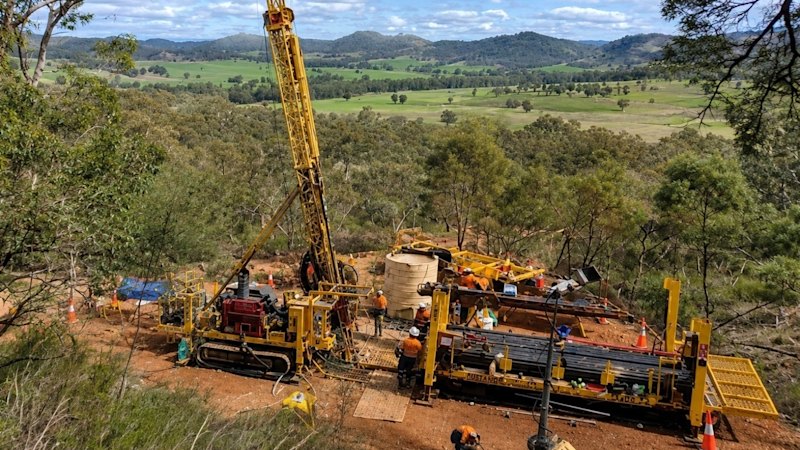
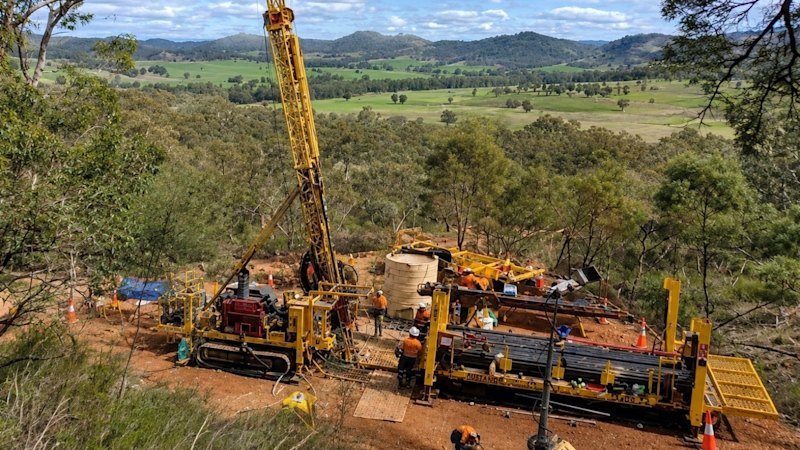
In Pakistan's Balochistan region, militants have targeted lithium mining sites, destroying equipment and detaining employees, threatening foreign and local mining firms. Meanwhile, Sudan's civil war is largely fueled by gold smuggling, supporting ethnic violence. These resource conflicts, often overshadowed by headline-grabbing wars, are taking place behind the scenes with significant stakes.
The US-Iran conflict has escalated, threatening global energy supplies. Discussions at the United Nations General Assembly included concerns over artificial intelligence safety and potential suspensions of attacks on energy infrastructure. Yet, the race for resources remains a critical issue.
China controls a majority of rare earth mining, refining capability, and production of rare earth metal alloys and magnets. This gives Beijing a significant advantage in the tech revolution. However, the US, EU and Pacific nations are working together to reduce dependence on Chinese resources. In June, the European Commission joined the US-led "Pax Silica" initiative, a coalition of over two dozen nations.
Despite these efforts, China still dominates rare earth mining, refining and production. The battle for resources in places like Pakistan and Central Asia is crucial. In Balochistan, mining interests have been targeted at least 40 times in 2026. The US has blamed India for the attacks, but India denies involvement. Local militants oppose Chinese mining interests and have been involved in various attacks.
Pakistan holds vast reserves of minerals, with the Reko Dik gold and copper mine being one of the largest projects. However, mining currently makes up less than 1% of the country's GDP. Despite signing a $500 million memorandum of understanding with the US in October 2025, Pakistan's government claims it has significant undeveloped reserves.
Other nations in Central Asia, such as Kazakhstan, have also joined resource competitions. In June, Kazakhstan joined the US-run "Pax Silica" but also joined the China-run World Artificial Intelligence Cooperation Organisation (WAICO), causing concern. The US has warned that membership in "Pax Silica" is incompatible with joining rival Chinese entities.
Written by urgent.news from Hindu BusinessLine's reporting — not their text. Machine-written — may contain errors; check the original before relying on it.