Beyond gold exports: Building value and economic resilience from Ghana’s gold
Ghana’s growing dependence on gold export earnings has reignited a crucial debate on economic resilience.
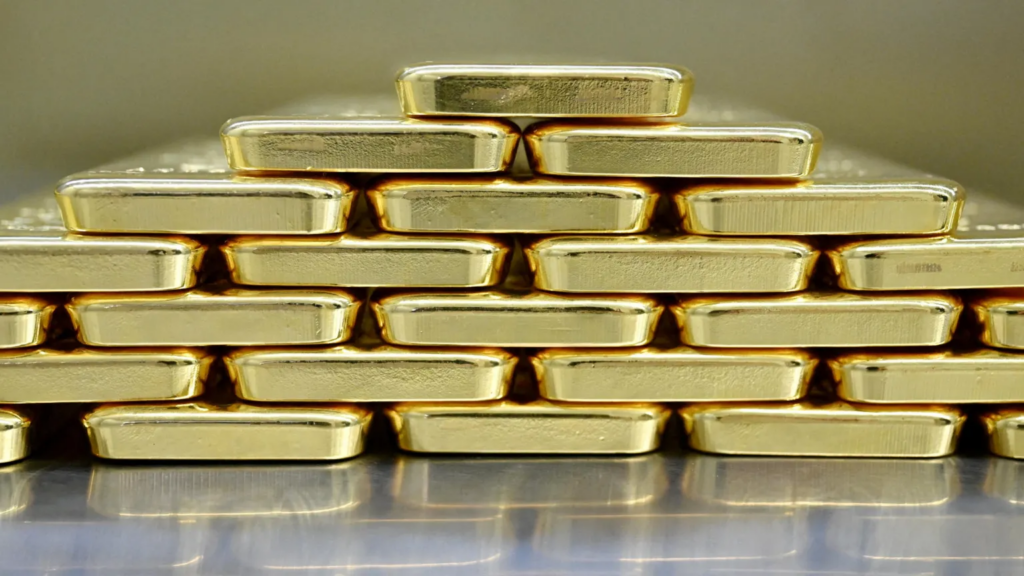
Ghana's over-reliance on gold exports has sparked a discussion on economic resilience. Economist Prof. Peter Quartey argues that over-reliance on a single commodity is risky; fluctuating international prices threaten macroeconomic stability. However, the bigger shift is not just in gold exports, but in how much economic value is kept domestically, how well receipts build national reserves, and how well risks are managed.
A key part of this transformation is the establishment of the Ghana Gold Board, which aims to tackle the flaws of the old trading system. This includes purchasing, assessing, refining locally, better supply chain traceability, fighting smuggling, and helping the Bank of Ghana increase its reserves. A big part of this plan is to require local refining, starting September 1, 2026.
Before anything else, doré gold – raw gold bars – must be refined in Ghana before it can be exported. This pushes for more value creation, not just extraction.
Gold is Ghana's main source of hard currency, and the numbers back this up: gold exports more than doubled from $10.31 billion in 2024 to $20.98 billion in 2025, bringing total exports to $31.11 billion. This has increased the trade surplus to $13.66 billion and boosted reserves to cover imports for 5.7 months. The cedi, Ghana's currency, also appreciated by 40.7% against the US dollar during the same period.
Ghana needs to turn these gold earnings into stronger balance sheets rather than just letting them go as export proceeds. This includes tracking exports to stop loss from smuggling, and using risk management tools to protect against sudden market drops. The big question is not just how much gold Ghana is exporting, but what value it is keeping at home and building into a lasting economy.
Written by urgent.news from MyJoyOnline Ghana's reporting — not their text. Machine-written — may contain errors; check the original before relying on it.