Bank Strike: How Much Business Do Banks Handle Daily, What Could Be The Cost Of A Three-Day Shutdown?
Mumbai: Around eight lakh bank employees across the country, under the banner of the United Forum of Bank Unions (UFBU), have announced a three-day nationwide strike on September 28, 29 and 30 over demands including five-day banking and pension-related issues. With September 26 being the fourth Saturday and September 27 a Sunday, concerns had emerged that customers could face five consecutive…
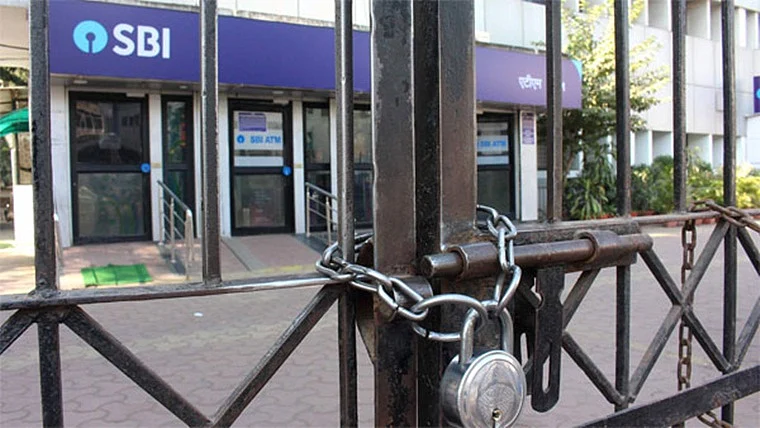
In India, banks play a pivotal role in the nation's financial ecosystem, handling a vast array of transactions and operations daily. According to recent figures, bank employees across the country will go on strike from September 28 to 30 over demands for a five-day work week, impacting an estimated eight lakh employees.
While digital services like internet banking and ATMs are expected to remain functional, the closure of physical branches could disrupt various services. Notably, cheque processing could face significant delays, with an estimated Rs 15,000 crore to Rs 20,000 crore worth of cheques potentially being delayed. Such a disruption could have ripple effects on working capital cycles, particularly for smaller businesses.
Other critical services such as cash deposits, withdrawals, government treasury operations, foreign-exchange transactions, and money-market activities could also be affected as many of these services require branch-level staff. However, private-sector banks like HDFC Bank, ICICI Bank, and Axis Bank are not part of the strike, and their operations are expected to continue uninterrupted. For routine transactions, customers can rely on ATMs, UPI, net banking, and mobile banking.
Written by urgent.news from Free Press Journal's reporting — not their text. Machine-written — may contain errors; check the original before relying on it.