Asian stocks weather bond storm, oil retreats slightly
SYDNEY: Asian shares held their nerve on Friday as a relentless bond selloff pushed longer dated US yields to two-decade highs, raising borrowing costs worldwide and threatening lofty equity valuations.

Asian stocks remained resilient on Friday despite a surge in bond selloffs that pushed longer-term U.S. yields to two-decade highs, fueling global borrowing costs and threatening elevated equity valuations. Oil prices briefly rose above $100 a barrel, with Brent crude nearing $105, reigniting inflation concerns and reinforcing expectations of multiple Federal Reserve rate hikes.
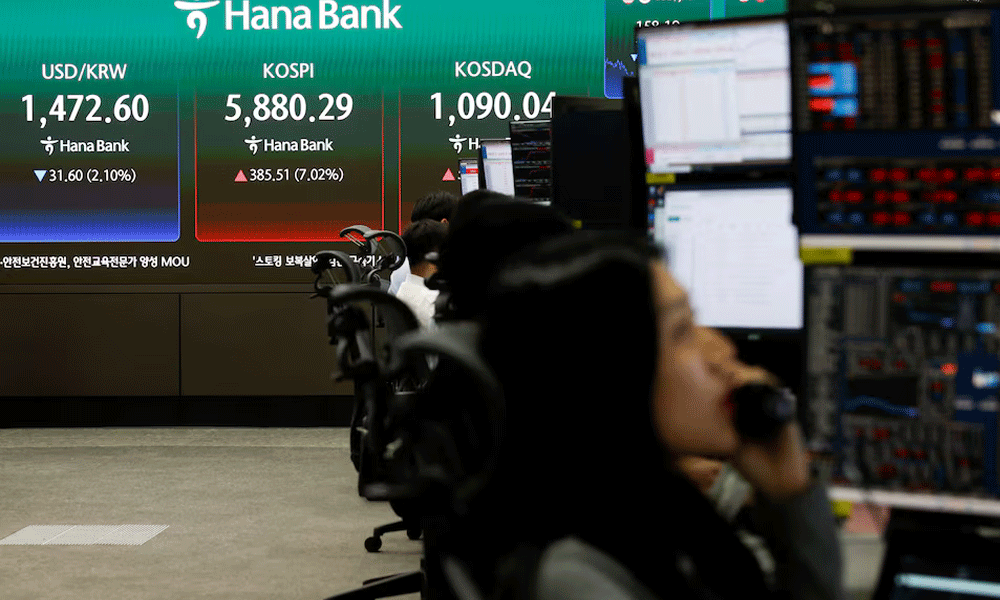
Chinese President Xi Jinping was in Washington for discussions with President Donald Trump, yet no significant progress was made on contentious matters such as AI, trade, Taiwan, or the Iran conflict. The MSCI's Asia-Pacific index outside Japan remained flat, with most markets, including the Chinese mainland, Taiwan, and South Korea, on holiday.
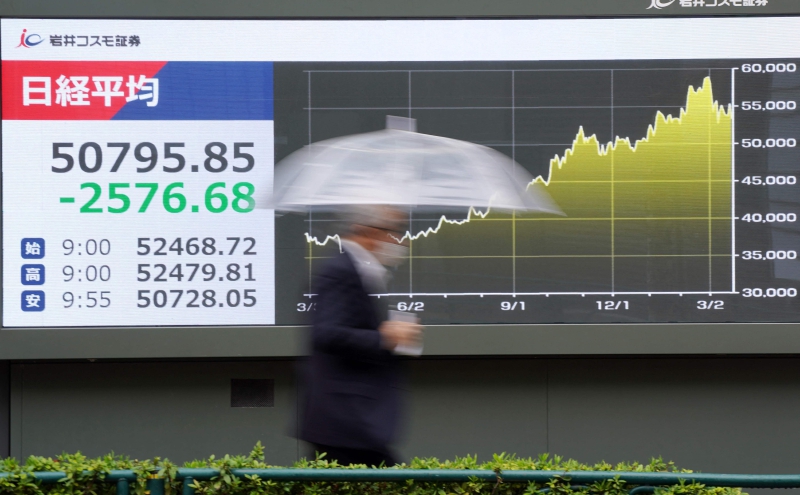
Japan's Nikkei rose 1%, while Australia's resource-heavy stocks declined 0.6%. Hong Kong's Hang Seng index slipped 1%. Risk assets are being pressured by a sharp decline in global bonds, as inflation worries and fiscal strains drive investors to seek higher returns, particularly on long-dated debt. Nigel Green, CEO of deVere Group, a financial advisory firm, cautioned that once risk-free rates surpass five percent in the world's largest economy, all assets must demonstrate their worth against that benchmark.
Equities, property, private credit, and emerging market debt are all vulnerable. The 10-year Treasury yield rose 1 basis point to 5.1915%, having surged 20 basis points in just two days to a new 19-year high of 5.2251%. This marked the largest two-day gain since April last year, following Trump's contentious tariffs. Thirty-year U.S. bond yields climbed 2 basis points to 5.4805%, surging 16 basis points over the past two days to reach 5.5016%, the highest since 2004.
This lifted U.S. mortgage rates to 7%, straining the housing market. Japanese 10-year government bond yields increased 4 basis points to 3.115%, the highest level since 1996. Australia's 10-year government bond yields rose 4 basis points to 5.408%. Short-term U.S. Treasury yields also felt the heat, with Fed funds futures suggesting a 71% chance of another rate hike next month, up from around 53% earlier in the week, and over 90 basis points of tightening still anticipated this cycle.
The U.S. 2-year yields remained steady at 4.9035%, having jumped 16 basis points this week near a two-year high. The Federal Reserve's return to rate hikes last week has reverberated across global markets. As inflation pressures mount, smaller central banks are adopting a more hawkish approach, with Norway's Norges Bank raising rates on Thursday and Sweden's Riksbank signaling a possible rate hike by year-end.
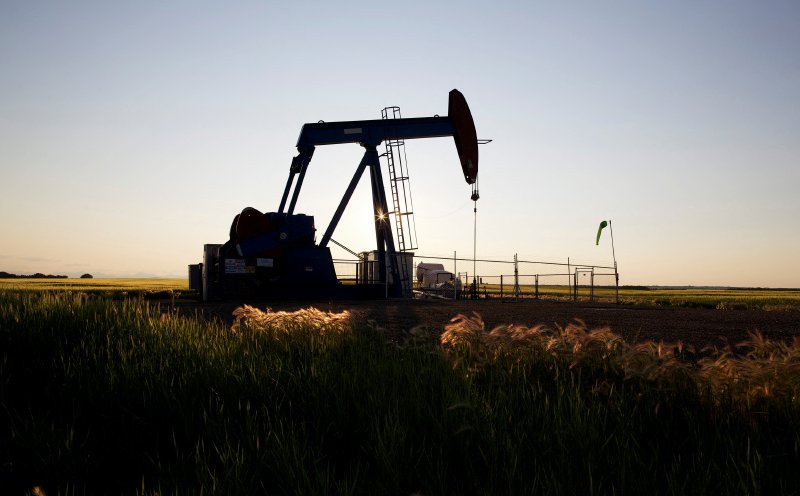
Mexico's Banxico maintained rates steady but hinted at a prolonged pause. Meanwhile, the U.S. dollar strengthened, gaining 1% over the week to 101.25 against its major counterparts, the highest since late July. In commodities, Brent crude slipped 0.8% to $105.75 a barrel, after climbing 3% the previous day as a Houthi missile strike on Saudi Arabia reignited worries about supply disruptions.
Meanwhile, markets remain hopeful for a potential truce between the U.S. and Iran, as the two nations reportedly explore a phased pathway to reopen the Strait of Hormuz.
Written by urgent.news from New Straits Times's reporting — not their text. Machine-written — may contain errors; check the original before relying on it.
This story
This is one outlet's version. Read the fullest account.
- Asian stocks weather bond storm, oil retreats slightly businesstimes.com.sg
- Asian stocks weather bond storm freemalaysiatoday.com
- Asian stocks weather bond storm, oil retreats slightly brecorder.com
- Asian stocks weather bond storm, oil retreats slightly investing.com