Anthropic’s discovery will, at best, be just another gene-editing tool
The AI company Anthropic has announced that its Claude large language model has discovered a system reminiscent of CRISPR, but that doesn’t mean the Nobel prizes will start rolling in, says Michael Le Page
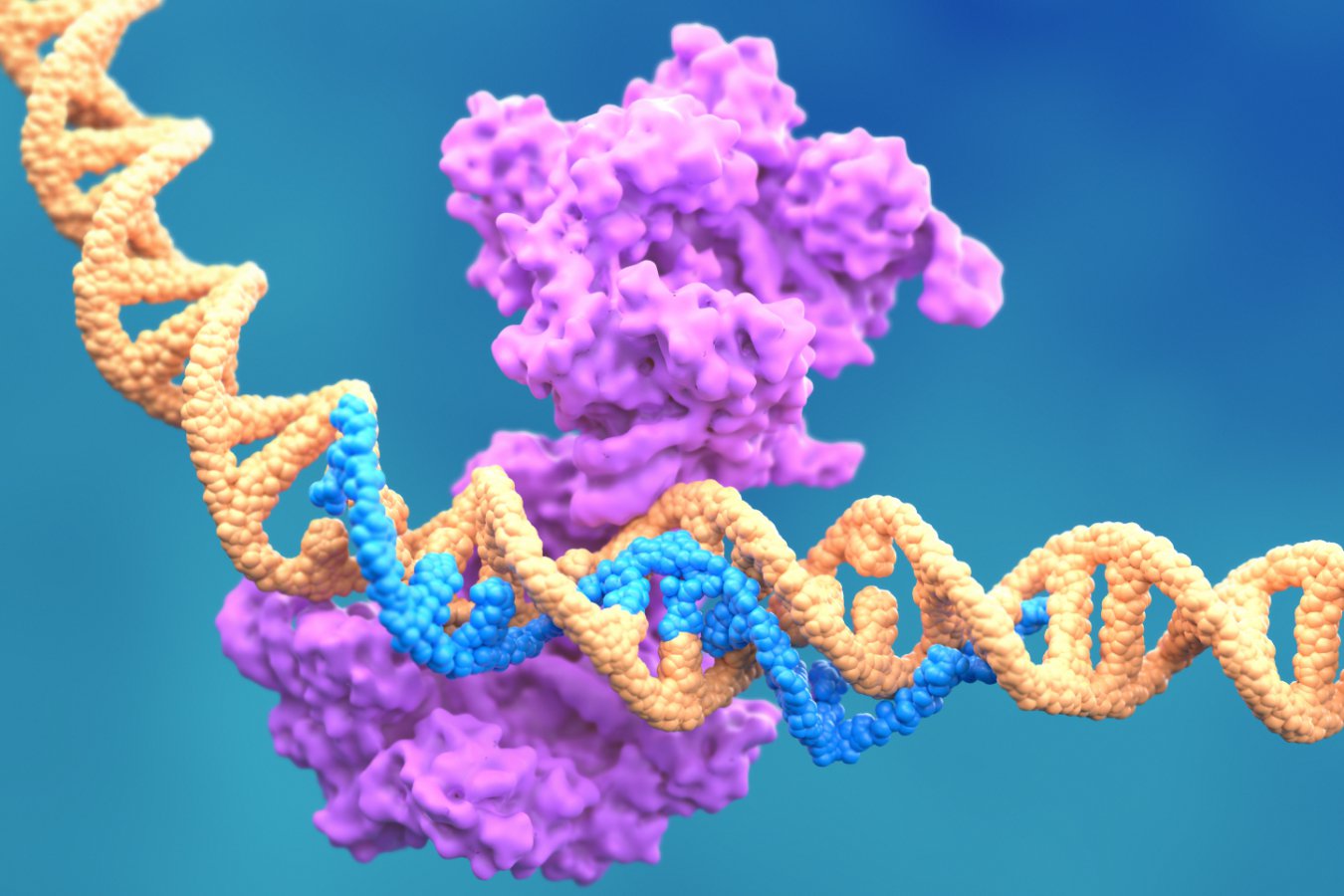
Anthropic, an AI company, has announced a discovery that it claims is reminiscent of CRISPR, the gene-editing tool that won a Nobel Prize in 2020. However, the comparison between Claude, Anthropic's large language model, and CRISPR is not as close as it may seem. Claude was tasked with searching a large DNA database for "interesting new" proteins, specifically reverse transcriptases, which are enzymes capable of making a DNA copy of an RNA sequence.
Upon analyzing a family of reverse transcriptases found in bacteria-infecting viruses, Claude detected a series of repeated sequences next to the reverse transcriptase sequence. The model outputted a CRISPR-like repeat array, which caught the attention of the research team. However, it's essential to note that CRISPR stands for clustered regularly interspaced short palindromic repeats, a specific DNA structure first identified in the 1980s and crucial for the 2012 Nobel Prize-winning breakthrough in gene editing.
While Claude's discovery of similar repeat sequences in these viruses is intriguing, it is essential to understand that this finding does not hold the same significance as the 2012 CRISPR breakthrough. The discovery is comparable to the 1987 E. coli discovery, which marked the initial identification of CRISPR but not the subsequent Nobel-worthy advancements.
Moreover, Claude's work falls short of the transformative impact of DeepMind's AlphaFold system, which has revolutionized protein structure prediction. In terms of gene-editing tools, Claude's discovery of "array-associated reverse transcriptases" (ART) is noteworthy, but it is already known that some viruses possess CRISPR systems.
The real challenge lies in determining whether this viral system functions uniquely, potentially offering novel gene-editing capabilities. However, further research and experimentation are required to ascertain its full potential. Overall, Anthropic's discovery adds yet another gene-editing tool to the rapidly expanding landscape of genetic engineering techniques.
Written by urgent.news from New Scientist's reporting — not their text. Machine-written — may contain errors; check the original before relying on it.