America’s Hypocritical Take on Intellectual Property
An overlooked DOJ document argues that copyright suits against AI companies should be widely dismissed.
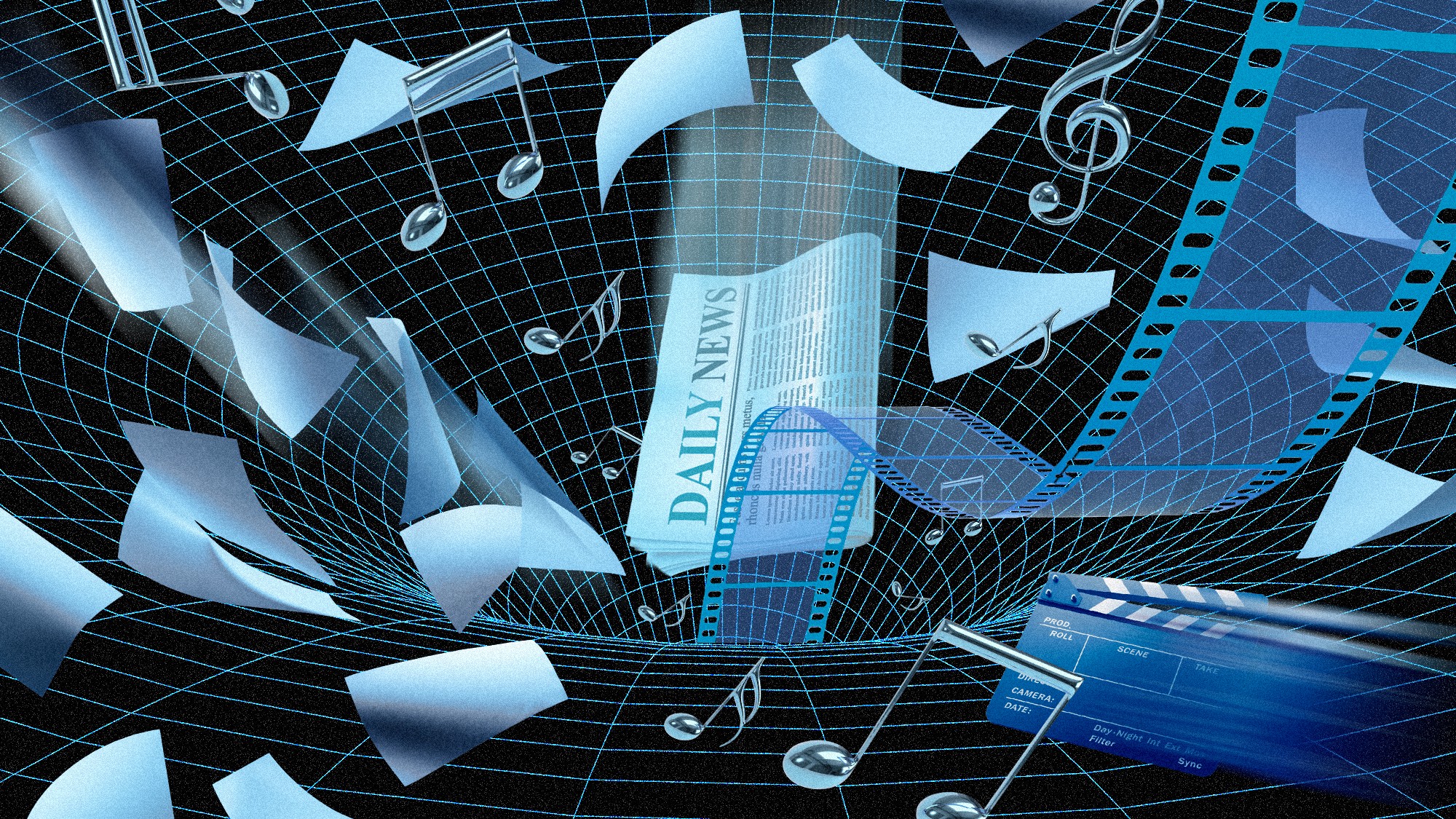
Encyclopedia Britannica, the publisher of Chicken Soup for the Soul, and Strike 3, an adult-film company, have joined forces in pursuing legal action against major AI firms. All three entities are demanding compensation for the use of their content to train AI models. These are not the only plaintiffs, as over 130 lawsuits have been filed against several AI developers, including OpenAI, Google, Amazon, Meta, xAI, Perplexity, Nvidia, Suno, and others.
Some plaintiffs are seeking damages amounting to billions of dollars. Recently, documents surfaced revealing that The New York Times had hacked OpenAI's paywall to download articles. Microsoft, which had an exclusive partnership with OpenAI, expressed concern over the operation. AI companies argue that their actions constitute "fair use," claiming they transform the content they train on, resulting in something new and different from the original.
The outcome of these lawsuits may set the precedent for creators and publishers' control over their intellectual and creative work. The Trump administration recently intervened in several lawsuits by requesting a favorable ruling for the AI companies. The Department of Justice argued that any ruling in favor of creators would be erroneous and a misunderstanding of fair use doctrine, as AI development is crucial for national security.
This move drew criticism from some political allies, who called for the administration to withdraw its statement. The Trump administration has adopted a pro-tech industry stance on copyright issues, possibly influenced by former AI czar David Sacks. Earlier this year, the administration restated its pro-fair-use position in an AI-policy framework that supports allowing courts to resolve the issue.
The recent statement of interest suggests the government may take a more active role in resolving the dispute. However, this raises concerns about the separation of power and the potential impact on the court's ability to independently develop responses to legal matters.
Written by urgent.news from The Atlantic's reporting — not their text. Machine-written — may contain errors; check the original before relying on it.