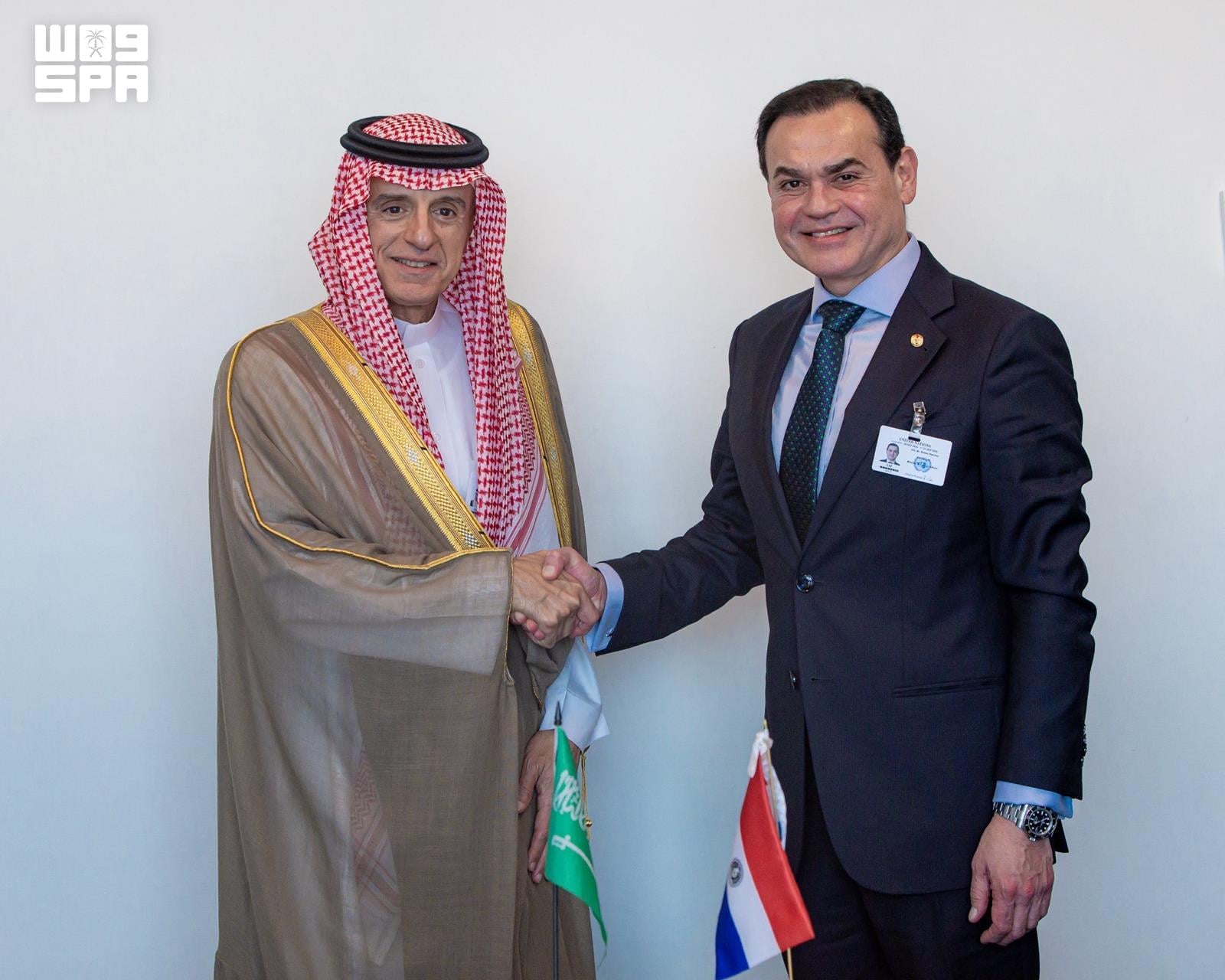
Adel Al-Jubeir discusses cooperation with Paraguayan foreign minister in New York
Adel Al-Jubeir met Paraguay’s foreign minister in New York to discuss bilateral cooperation and review international developments.
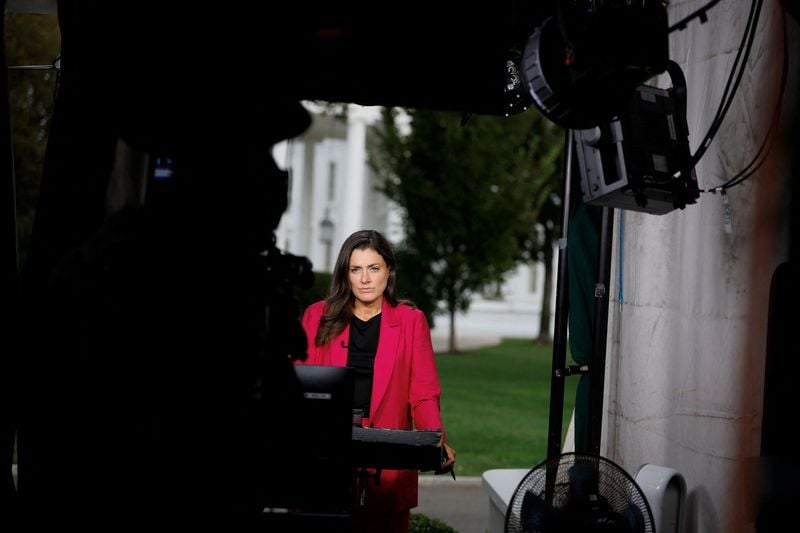
Senior officials from Israel, the United States, and Abraham Accords participating countries convened in New York on Thursday for their inaugural multilateral meeting since January 2023. This gathering, organized by the N7 Foundation and chaired by Jeffrey M. Talpins, brought together US Under Secretary of State Allison Hooker and key representatives from Israel, Bahrain, Morocco, the United Arab Emirates, and Kazakhstan.
The meeting marked Kazakhstan's anticipated inclusion in the framework, signaling a significant expansion of the accord's reach.
The meeting occurred shortly after the Hamas attack on October 7 and the ensuing Gaza war, events that had significantly altered the regional diplomatic climate and impeded progress on expanding the normalization framework. Unlike previous discussions that primarily addressed the Gaza war, humanitarian concerns, and the Israeli-Palestinian conflict, Thursday's agenda focused on translating diplomatic ties into concrete cooperation.
Participants reiterated the foundational principles of the Abraham Accords and explored practical avenues for enhancing collaboration among Israel, Arab and Muslim nations, the United States, and other partners. Talpins emphasized the potential of the Accords to foster a more integrated and prosperous region, with an emphasis on economic development, stability, and security through strategic cooperation.
The N7 Foundation highlighted discussions centered on shared priorities and tangible outcomes, aiming to leverage regional cooperation to address security, economic development, and other critical issues. Possible areas of collaboration included technology, trade and investment, energy, water and food security, and strategic and security cooperation.
A notable development at the meeting was Kazakhstan's anticipated accession to the Abraham Accords. Kazakhstan's decision to join the framework underscores its alignment with regional foreign policy objectives and its commitment to supporting a two-state solution and relevant international resolutions. This potential entry could provide a new dimension to the Accords, integrating a strategically important Central Asian nation into the network of Israel and its Arab partners.
While the meeting did not signify a return to the pre-October 7 diplomatic landscape, it underscored the ongoing challenges and pressures faced by Abraham Accords countries, including the impact of the Gaza war, broader regional security concerns, and Iran's influence. Nevertheless, the commitment of senior officials to revive a multilateral format of engagement signifies a renewed focus on regional integration alongside existing challenges.
The gathering also reflects the United States' continued interest in utilizing the Abraham Accords as a platform for broader regional cooperation, a strategy that has been a cornerstone of the Trump administration's regional approach. The N7 Foundation, which hosted the initial multilateral convening in 2021, pledged to continue fostering durable mechanisms for strategic cooperation among participating states and aligned partners.
As the Abraham Accords move beyond bilateral relationships, Thursday's meeting in New York marked a pivotal step towards establishing a more comprehensive regional network.
Written by urgent.news from Jerusalem Post's reporting — not their text. Machine-written — may contain errors; check the original before relying on it.
This story
This is one outlet's version. Read the fullest account.