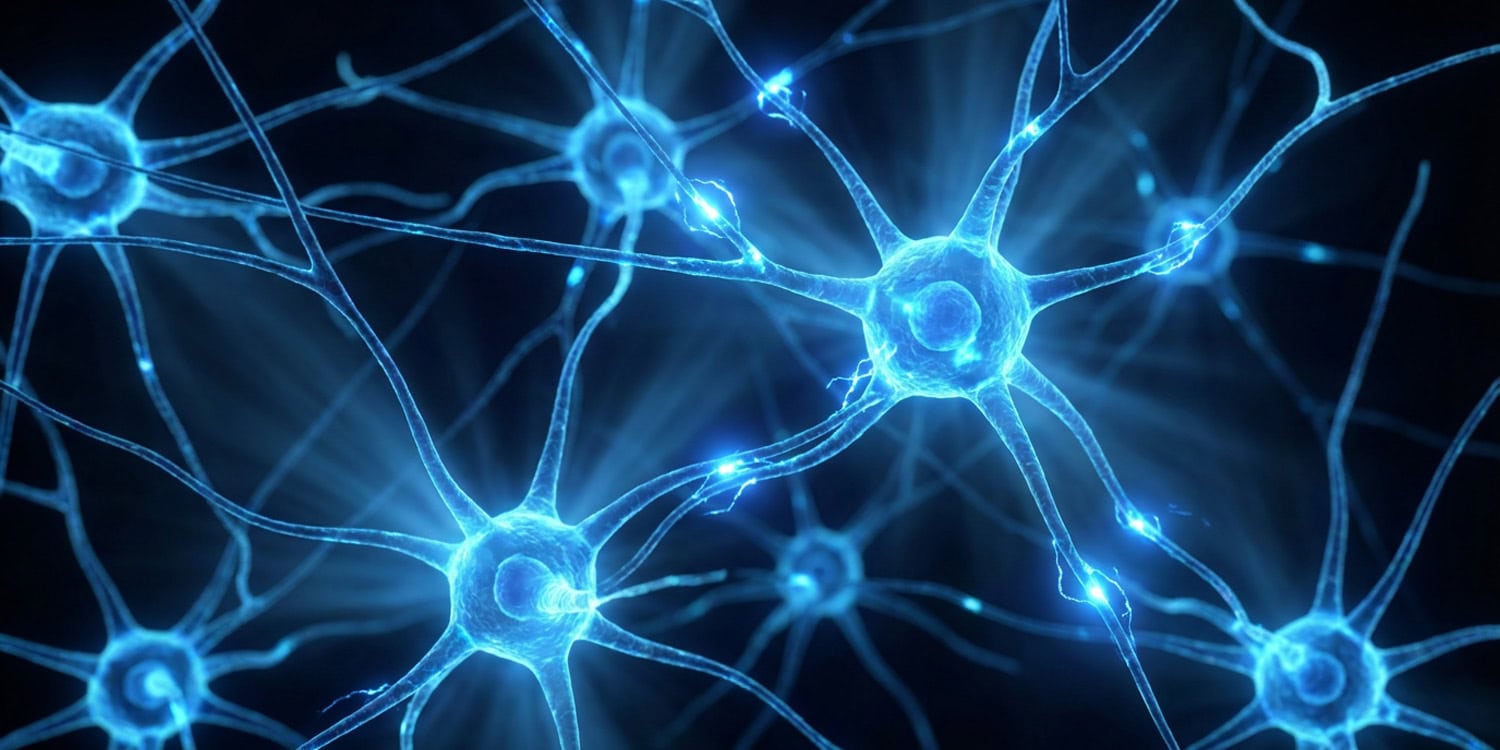
Adding neurons may keep improving visual signals despite shared noise, analysis predicts
Our brains internally represent the outside world through the coordinated activity of billions of neurons. A single neuron responds unreliably: Even when the same stimulus is shown repeatedly, its activity varies from trial to trial. Neuron populations can compensate for this variability by representing the same information across many neurons, a strategy known as population coding.

Researchers from Kyoto University, Harvard University and the University of California, Los Angeles have found that adding more neurons may continue to enhance visual signals despite the presence of shared noise, a study published in Science Advances predicts. The team analyzed recordings from approximately 18,000 to 21,000 neurons in each mouse's primary visual cortex as it observed slightly different visual stimuli.
By examining how much information could be extracted from increasingly larger groups of neurons, the researchers identified two power laws that remained consistent regardless of population size. These power laws describe the distribution of noise strengths and how each noise pattern aligns with the signal. Despite stronger noise components tending to align more closely with the signal, the visual signal extended across less variable activity patterns.
This suggests that shared noise may slow the growth of information as more neurons are added, but it does not impose an upper limit. The findings challenge the long-held belief that shared neural fluctuations would eventually saturate information. The study also develops a general theory of how linearly readable information scales and may provide insights into designing more accurate computing systems that face similar challenges with shared noise.
Written by urgent.news from Medical Xpress's reporting — not their text. Machine-written — may contain errors; check the original before relying on it.