A week of warnings reveals Europe's dangerous new reality
One after the other they lined up to speak: National leaders warning of increasing imminent danger to their countries.
In a series of warnings over the past week, numerous European leaders have expressed concern over the increasing danger posed by Russia to their countries. The United Nations General Assembly saw world leaders expressing their own apprehension about the significant challenges facing the world. However, it is Europe that has been issuing the most frequent and compelling warnings.
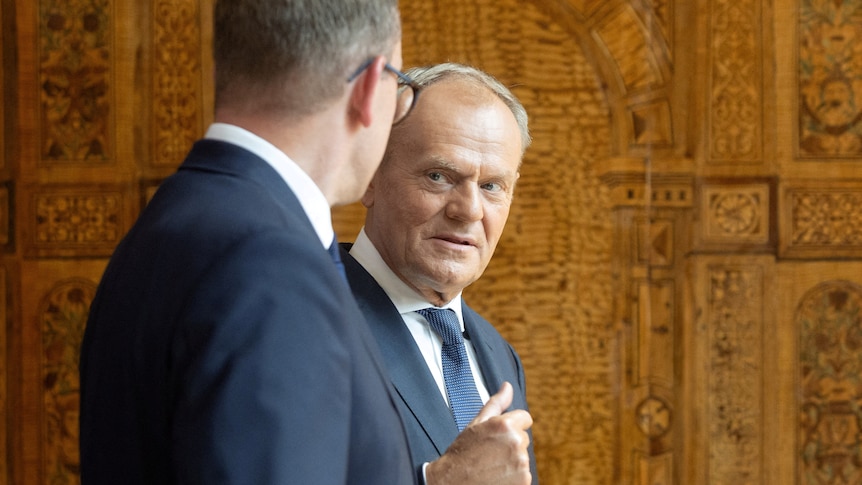
Earlier this weekend, France, the Netherlands, Finland, Lithuania, and Switzerland all individually notified their citizens of heightened Russian threats. Polish Prime Minister Donald Tusk informed the Polish parliament that Russia could potentially launch hybrid drone and missile strikes against Poland and other NATO countries backing Ukraine, framing these as accidental attacks.
Tusk's assessment, based on intelligence, suggested these actions could test NATO's resolve and likely deter the alliance from invoking Article 5, which calls for collective defense if one member is attacked.
These concerns have not emerged suddenly; they have been discussed for some time, yet they now appear highly consistent and convincing, according to Tusk. He urged the public to prepare for potentially serious events, emphasizing the need for focus, seriousness, and mental readiness to face challenges.
French President Emmanuel Macron echoed these concerns, meeting with leaders of France's political parties and 2027 presidential candidates to discuss Ukraine, Iran, and the energy crisis. He praised Tusk's warnings as "sound and well-documented" and announced a new critical infrastructure protection plan. Guillaume Lacroix, leader of the Radical Party of the Left, expressed feeling "vertigo" after the meeting.
The Danish government's defense intelligence service released an assessment suggesting Russia would escalate threats to NATO nations, with more severe consequences than before. This assessment highlighted the possibility of Russia targeting critical infrastructure and civilian objectives in countries supporting Ukraine, including recent sabotage of railway lines in the Netherlands and France, suspicious fires near explosive manufacturing plants, and a growing sense of unease about the situation in Germany.
The Alternative for Deutschland (AfD) party has gained ground in German state elections, and Chancellor Friedrich Merz's leadership is under pressure to step down amid discussions about how to remove him. This political instability could be detrimental to Europe's largest economy during a critical period. The AfD advocates for increased Russian oil and gas imports and a more friendly stance towards Russia, a position that has alarmed other European nations.
Meanwhile, the US government and Gulf powers, including those connected to the Trump family, are reportedly backing a bid to acquire Russian oil company Lukoil's international assets, which could provide significant reserves and infrastructure, including European refineries. The potential sale of these assets raises questions about the influence of US administration factions with ties to the Trump family on the decision-making process.
Written by urgent.news from ABC News AU's reporting — not their text. Machine-written — may contain errors; check the original before relying on it.