A Self-Updating CRM Can Still Teach AI the Wrong Business
Automatic CRM updates improve coverage, not meaning. A four-clock Context Freshness Budget keeps HubSpot AI grounded in current business reality.
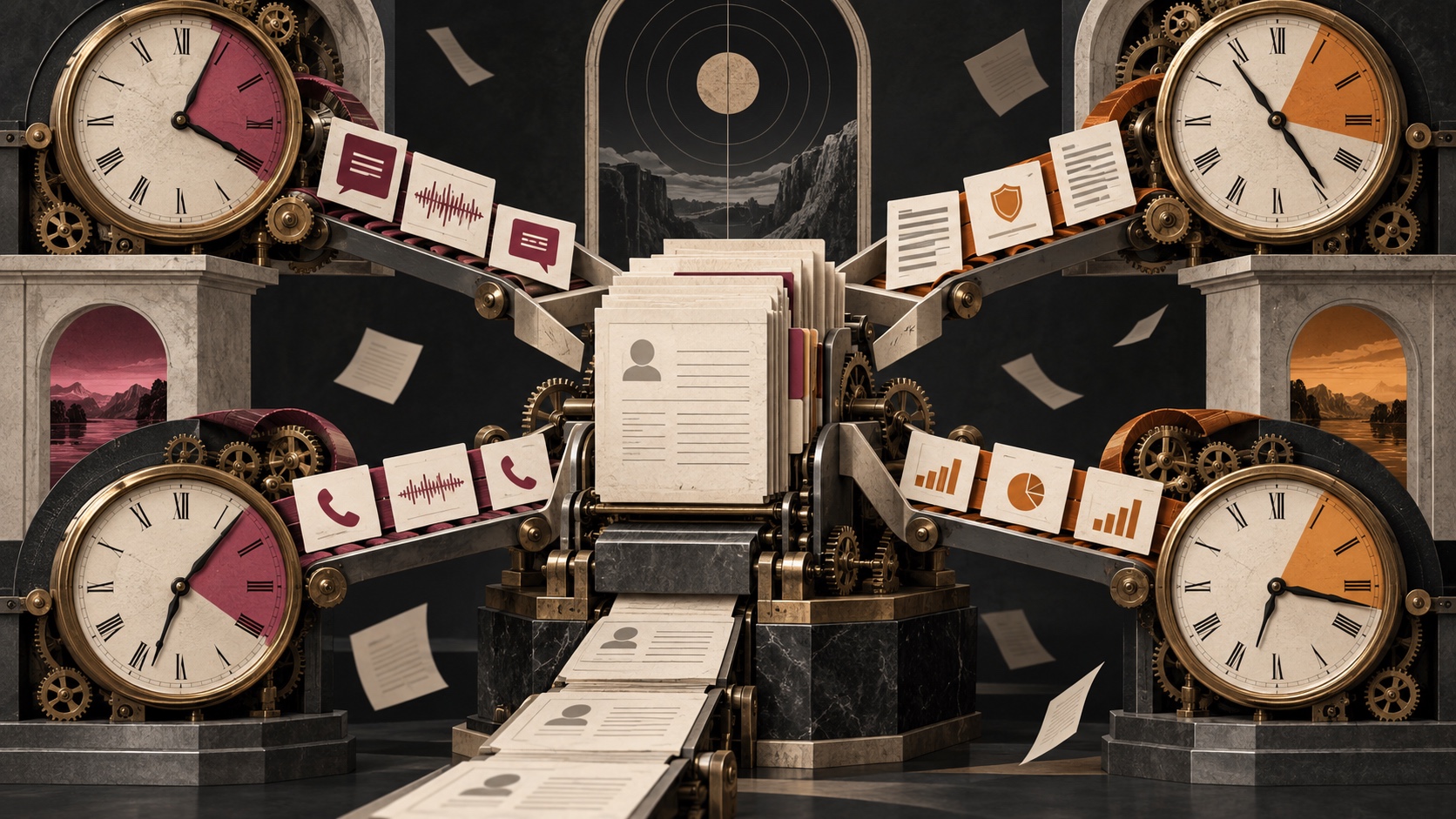
A self-updating CRM holds the potential to provide AI with a more comprehensive account history, reducing the workload for data clerks and enabling more accurate recommendations. However, this convenience comes with risks, as the system may become current faster than it becomes correct. For instance, an email might be captured too early and later proven to be misunderstood, or a meeting could sync correctly even though the deal interpretation has become obsolete.
To address these issues, the article recommends implementing a Context Freshness Budget, which consists of four clocks: event time, capture time, interpretation time, and policy time. Event time refers to when something happened in the business, capture time is when HubSpot or a connected system stored the evidence, interpretation time is when the business meaning was last evaluated, and policy time is when the rule governing use of the evidence was last confirmed.
Each action should have a maximum tolerated age for each clock, known as the Context Freshness Budget. For example, drafting an internal account brief should be within 24 hours, prioritizing a sales follow-up within 4 hours, sending a renewal commitment within 15 minutes, and changing a lifecycle stage within 1 hour. These budgetary constraints ensure that the AI's decisions are based on the most relevant and up-to-date information.
Written by urgent.news from HackerNoon's reporting — not their text. Machine-written — may contain errors; check the original before relying on it.