5G am Gleis: Alle wollen besseres Internet im Zug – aber wer soll das zahlen?
Bis 2035 muss die Bahn ihren Bahnfunk entlang des Schienennetzes erneuern. Aus Sicht der Regierung eine Chance, Bahn- und Mobilfunknetz stärker zu verknüpfen und zu verbessern. Ein Gesetz soll dabei helfen.
The Deutsche Bahn is currently undertaking numerous construction projects, but one stands out: it must renew its rail radio communication by 2035. This is necessary, as the rail radio network currently operates on the outdated 2G standard. Telecom operators responsible for these networks plan to decommission their 2G mobile networks by 2028.
Thus, the railway must adapt to the 5G era. To achieve this, thousands of new radio sites will be installed along its extensive 33,000-kilometer rail network. This presents an unprecedented opportunity for Germany's major mobile network providers: Deutsche Telekom, Vodafone, O2, Telefónica, and 1&1. They could potentially share these towers and equip them with advanced technology for their networks.
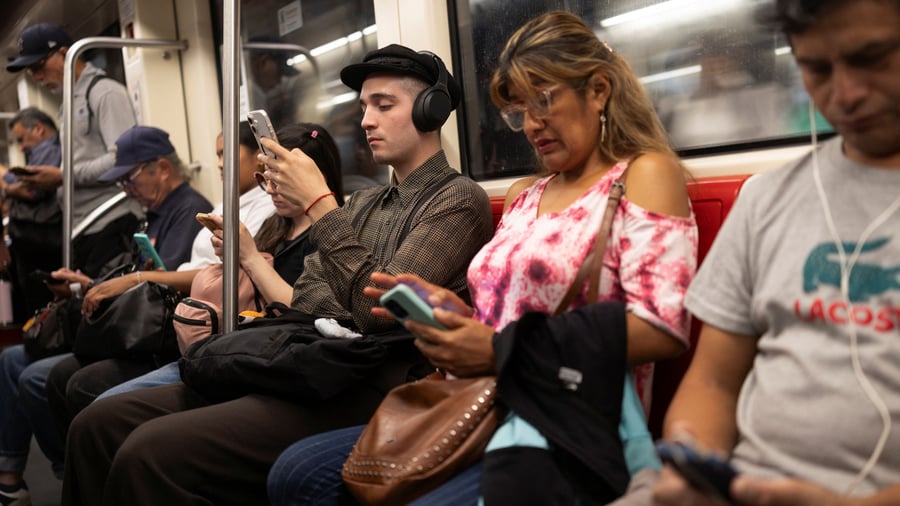
Customers could then enjoy faster internet browsing, according to the hope. Even the coalition government had mixed feelings about the matter. In October 2024, the Deutsche Bahn, the four mobile network operators, and the federal government agreed to test, develop, and implement a 5G supply concept along the Hamburg to Berlin route. The initial experiences hoped would come from the major repair of this route.
Written by urgent.news from Handelsblatt's reporting — not their text. Machine-written — may contain errors; check the original before relying on it.