12-year dream powers on: Goulburn's $3.3M community solar farm opens
Residents of Goulburn embarked on an inspiring decade-long endeavor to establish a community-driven solar farm alongside a battery system. With the backing of about 300 local investors, they overcame significant obstacles such as regulatory hurdles and supply chain challenges. Ultimately, the solar farm commenced operations, contributing clean energy to the local grid, and stands as an exemplary…
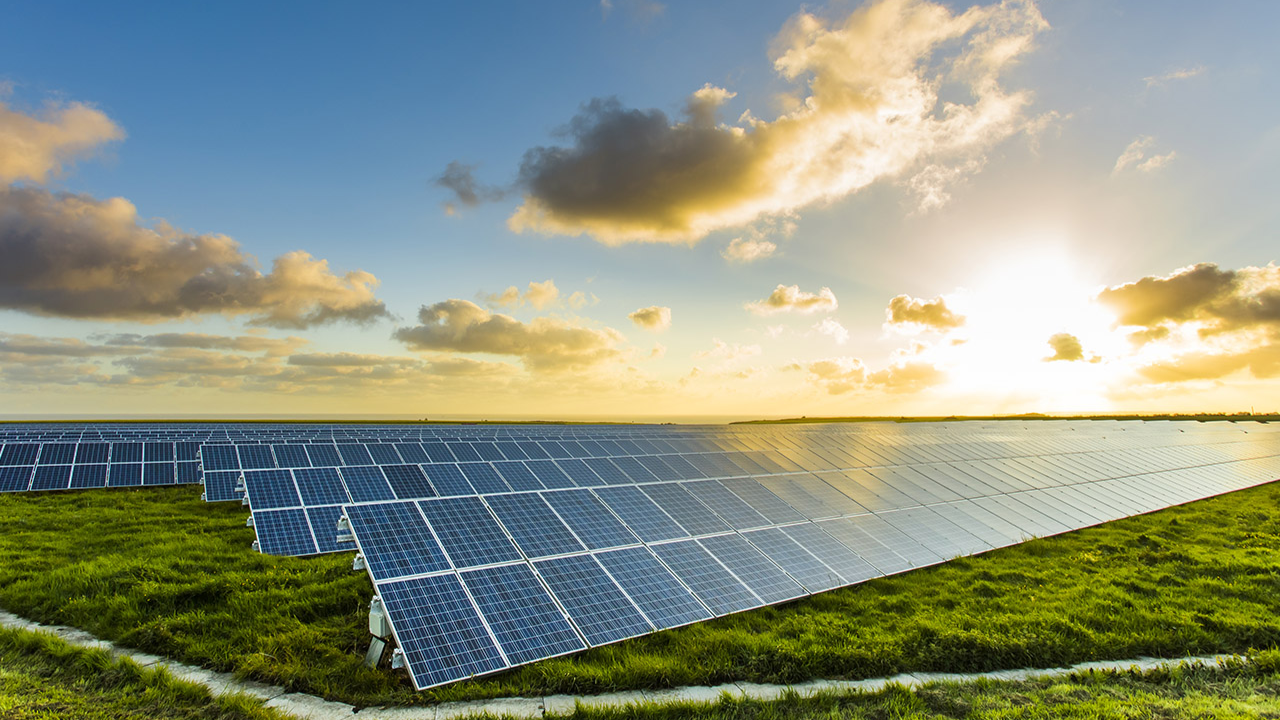
In late 2014, a group of Goulburn residents gathered to discuss the idea of generating their own clean electricity. Over a decade later, that discussion culminated in Australia's first community-owned solar farm paired with a large-scale battery. The 1.4-megawatt facility, equipped with a 4-megawatt-hour battery, officially opened on an old industrial site on the outskirts of the New South Wales regional city.
This solar farm can generate enough electricity to power approximately 500 homes, delivering power directly to the local grid.
The project relied on the collective effort and perseverance of around 300 investors, primarily local residents, who contributed $3.3 million in capital, complemented by $2.3 million in grants from the NSW Government. According to the Business Council of Co-operatives and Mutuals (BCCM), this initiative serves as a practical example of how regional communities can contribute to the transition towards renewable energy through community ownership.
The origins of this decade-long initiative can be traced back to Community Energy for Goulburn (CE4G), a volunteer sub-committee established by the local sustainability group The Goulburn Group. The group aimed to create a system where every member had an equal say, irrespective of their financial investment. Consequently, they formed the Goulburn Community Energy Cooperative and registered it through the NSW Department of Fair Trading.
Under this cooperative structure, each member holds one vote. Notably, an investor contributing $400 possesses the same voting power as someone investing $4,000, ensuring that financial power does not translate into disproportionate control over the project.
Founding member and CE4G president Peter Fraser emphasized the importance of building trust within the local community during the early stages of the project. Before submitting formal applications, the volunteers conducted door-to-door consultations around the proposed solar farm to explain the concept and address community concerns. There were no objections from the neighbors, thereby reinforcing the strong community support for the project.
The chosen site was an unused industrial area adjacent to the railway corridor connecting Sydney and Canberra. Although the land's irregular shape and suboptimal north-facing orientation presented design challenges, its visibility from the road and railway provided the project with a public display. Moreover, its proximity to an existing 33kV power line facilitated the grid connection process.
The project faced various delays, policy changes, and escalating costs, which extended the timeline. Organizers navigated through global supply chain disruptions during the pandemic, higher material costs, and lengthy reviews by the local council and the electricity network owner. The site's location within the Sydney water catchment area added another layer of complexity, necessitating extensive landscaping measures to prevent sediment from reaching the catchment dams as mandated by Sydney Water.
Additionally, tax implications posed a surprise; as explained by Peter Fraser in The Energy, government grants for capital projects can be taxable, requiring the project team to pay taxes before the solar farm began generating income. The project persevered with the involvement of Komo Energy, a specialist project developer, who remained committed to the cooperative for over eight years.
Local contractors and suppliers were utilized for construction and ongoing work whenever feasible. Upon the project's official opening, Parliamentary Secretary to the NSW Treasurer David Mehan commended the cooperative model for grounding the project within the region, both ethically and in its delivery. He highlighted that around 80% of the project's profits remained in the community, a remarkable feat for few renewable energy projects in NSW.
Melina Morrison, CEO of the BCCM, also lauded the tireless efforts of the local volunteers, stating that they embarked on an idea and now own an energy asset, demonstrating that "we are stronger together."
Looking ahead, Community Energy for Goulburn intends to maintain its status as an incorporated association and explore additional renewable energy projects in the region. The separate cooperative board, elected by the members, oversees the commercial operation of the solar farm and its battery. The 4-megawatt-hour battery serves to store excess electricity produced during the day and can supply that power to the grid during peak demand periods, thereby avoiding excessive reliance on lower midday wholesale electricity prices.
Peter Fraser explained that the battery enables the project to sell more power at times when prices are higher, typically in the afternoon. This community-driven solar farm exemplifies how a small regional community, equipped with sufficient time, commitment, and a clear ownership structure, can successfully raise funds, build, and manage complex grid infrastructure.
The 12 years of volunteer meetings and community engagement have culminated in a working clean-energy asset that contributes to the local grid.
Written by urgent.news from Times of India's reporting — not their text. Machine-written — may contain errors; check the original before relying on it.