100g more ultra-processed food a day =14% higher heart risk: What a study found
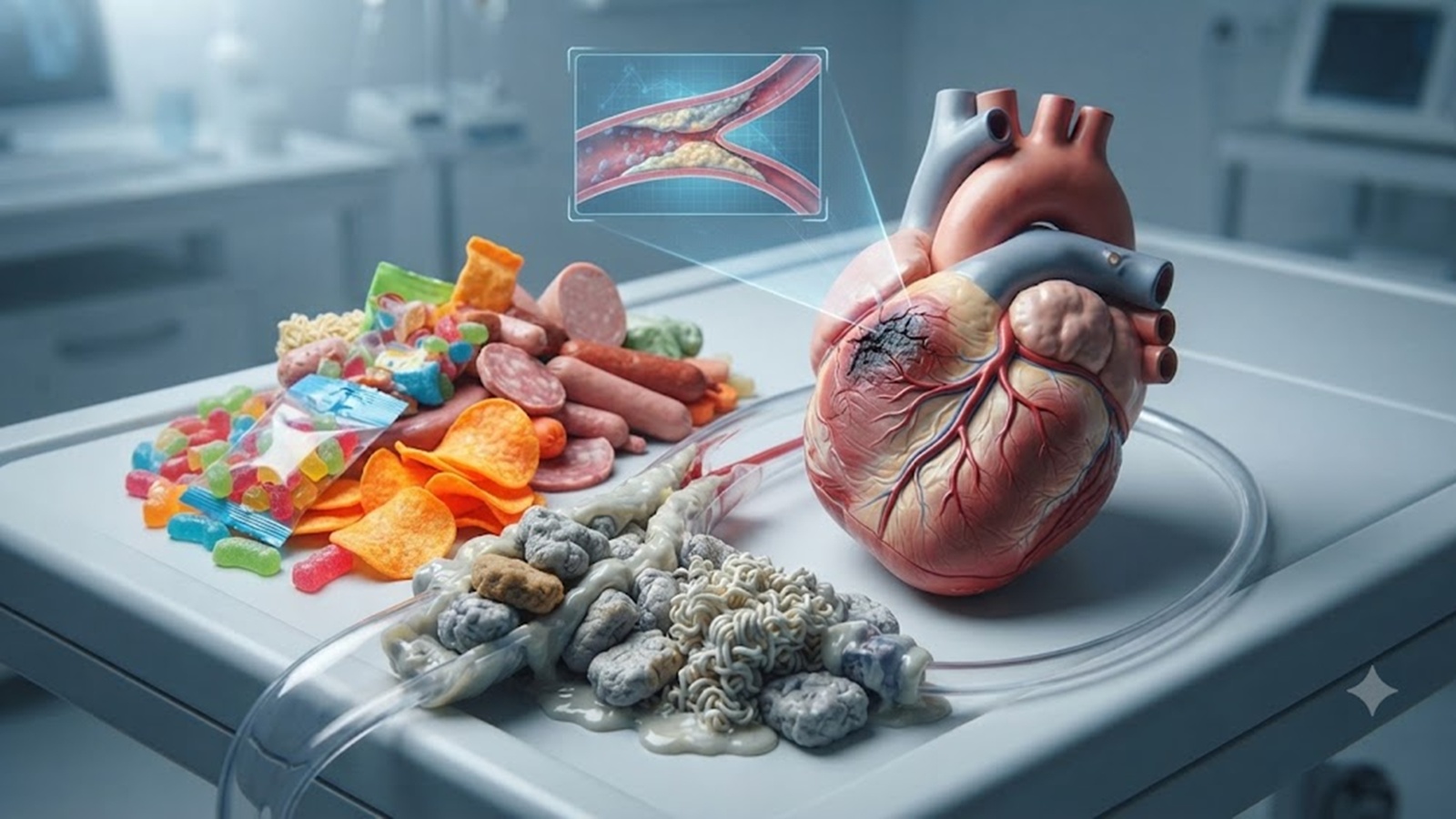
A recent study published in the journal Family Medicine and Community Health has revealed that consuming just 100 grams more of ultra-processed foods per day can increase the risk of cardiovascular events by 14 percent. The research found that higher consumption of ultra-processed foods (UPFs) was associated with a higher risk of various chronic diseases, including obesity/overweight (23 percent), metabolic syndrome/diabetes (24 percent), depression/anxiety (27 percent), digestive diseases (31 percent), cancer (12 percent), and all-cause mortality (18 percent).
Each additional 100 grams of UPF intake was linked to a 11 percent higher risk of hypertension, 14 percent higher risk of cardiovascular events, 4 percent higher cancer risk, and 3 percent higher all-cause mortality. Moreover, a 10 percent increase in weight/energy intake from UPFs was associated with a 16 percent higher risk of metabolic syndrome/diabetes.
Experts are worried that many people consume excessive ultra-processed foods, which are often convenient, highly palatable, and easy to overconsume. The "cocktail effect," the potential increased impact of multiple additives on health, is a concern as ultra-processed foods often contain various additives such as artificial sweeteners, emulsifiers, preservatives, and flavoring agents.
While more research is needed to fully understand the effects of these additives, the study underscores the importance of moderation and dietary quality over fear. It's essential to limit the consumption of ultra-processed foods and focus on whole or minimally processed foods like vegetables, fruits, pulses, whole grains, nuts, and seeds.
Replacing packaged snacks with fresh fruits, roasted chana, makhana, sprouts, and opting for whole grains, pulses, and protein-rich foods can help maintain a balanced diet. Keeping these risk factors in check can significantly improve long-term cardiovascular health, especially for those with hypertension, diabetes, high cholesterol, or existing heart disease.
Written by urgent.news from The Indian Express's reporting — not their text. Machine-written — may contain errors; check the original before relying on it.