Why Fauda Is So Popular in the Arab World
Viewers may find, in the fictions of a TV show, a more realistic portrayal of their world than they are usually offered.
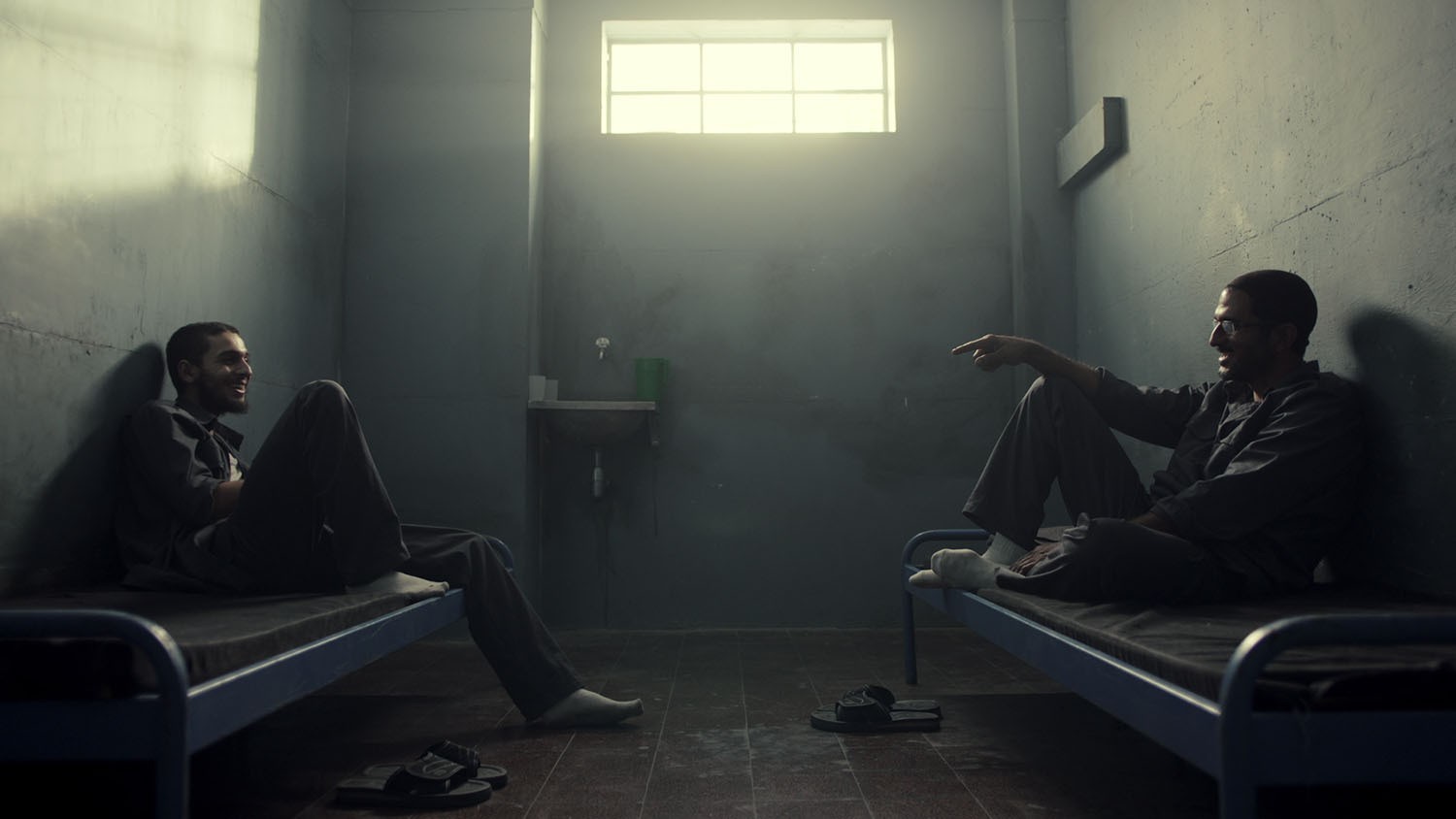
Fauda, an Israeli-made counterterrorism thriller, has gained immense popularity in the Arab world, especially after its second week of September when it became the top show in Lebanon, Jordan, Qatar, UAE, and Kuwait. Set during the events of October 7, 2023, the show has managed to captivate audiences despite the limited cross-pollination between Israel and the Arab world since Israel's independence in 1948.
Although negative stereotypes about Israelis and Jews have been common, Fauda's diverse cast of Palestinian characters with their own dilemmas and motivations has allowed viewers to empathize with their side of the story. The show portrays the spiral of violence and hatred between Israelis and Palestinians, highlighting how each act of violence leads to more violence creating a cycle of revenge.
Doron, the main character, is portrayed as a skilled operative who often finds himself caught in chaotic events, reflecting the Israeli political direction of the 2010s and early 2020s. Fauda's depiction of events, particularly the October 7 attack, has been eerily similar to Hamas's real-life planning, leading to a devastating war in Gaza that resulted in the deaths of over 71,000 Palestinians.
Written by urgent.news from The Atlantic's reporting — not their text. Machine-written — may contain errors; check the original before relying on it.