When haze leaves your eyes red, dry and gritty
Fine particles and chemicals can disrupt protective tear film, irritate the cornea and worsen existing conditions, especially during prolonged periods of pollution.
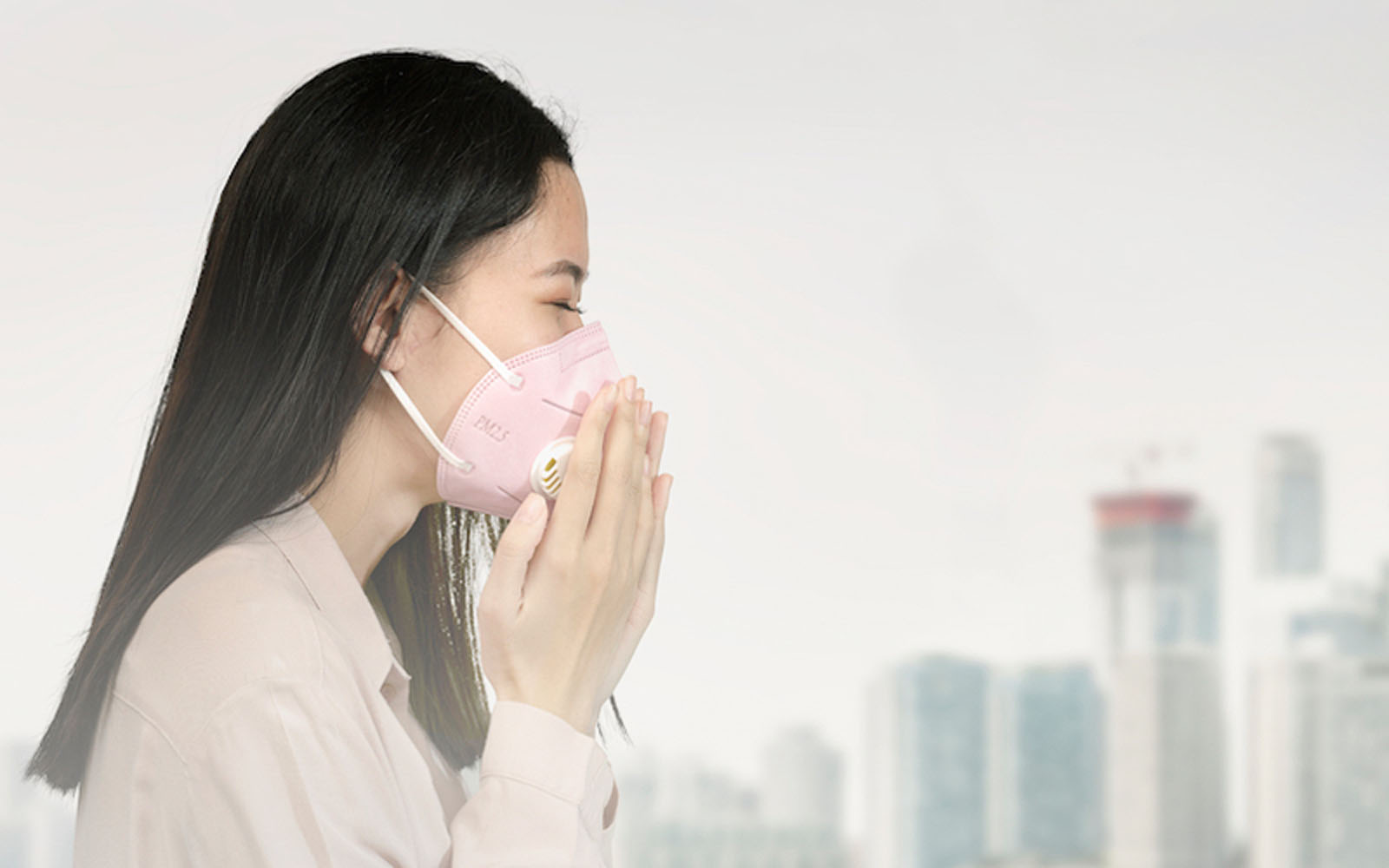
When haze causes red, dry, and gritty eyes, it's easy to forget that these visual discomforts are just as common as lung issues, which dominate public health discussions. While the lungs receive the bulk of attention, the eyes are equally exposed to the same polluted air. The delicate tissue on the eye's surface has limited natural protection, making them particularly vulnerable to airborne particles and chemicals.
Dr Siva Kumar Sundralingam, an ophthalmologist, explains that this exposure can impact both short-term comfort and long-term eye health.
The haze, composed of fine and coarse particulate matter, sulfur dioxide, nitrogen dioxide, ozone, and other chemicals, can seep into the tear film, the eye's thin protective layer. When pollutants settle on the conjunctiva, the clear membrane covering the eye, they can cause redness, itching, a gritty sensation, and even more severe symptoms for those with allergic conjunctivitis or sensitive eyes.
To alleviate these symptoms, rinsing the face, using lubricating drops or applying a cold compress is recommended instead of rubbing the eyes.
Moreover, pollutants can disrupt the tear film's balanced composition, causing tears to evaporate more quickly, leaving the cornea exposed and sensitive. This can worsen dry-eye symptoms like stinging, burning, and blurred vision. Prolonged exposure may even contribute to dry-eye disease progression by affecting the glands that produce the oils needed for a stable tear film.
Fine particles, such as PM2.5, can be particularly harmful. These microscopic particles can settle on the eyes and provoke irritation, prompting the urge to rub. Repeated rubbing may cause tiny abrasions on the cornea, increasing the risk of infection. To reduce this risk, use preservative-free artificial tears to rinse away irritants and restore moisture, or opt for wraparound sunglasses or protective goggles for broader eye protection.
Staying indoors with closed windows and using an air purifier can also minimize exposure. Lastly, if symptoms persist or worsen, seek professional eye care.
Written by urgent.news from Free Malaysia Today's reporting — not their text. Machine-written — may contain errors; check the original before relying on it.
Also reported by 1 other outlet
- When haze leaves your eyes red, dry and gritty freemalaysiatoday.com