‘We can’t let our guard down’: What getting around Delhi means for women students
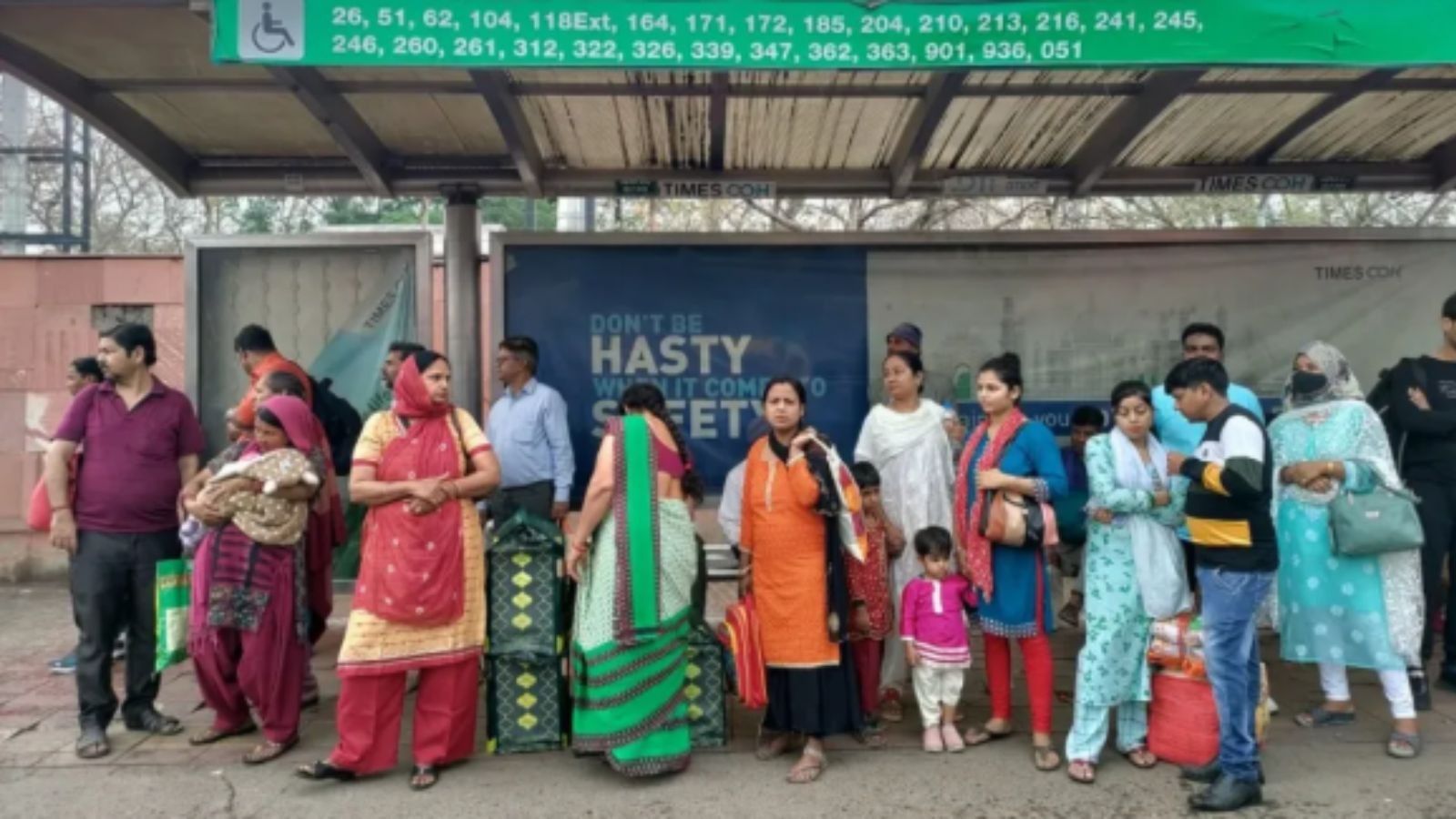
As Delhi University’s Maitreyi College first-year BA Programme student Kirti Sharma discovered on September 18, evening buses from her area often head in the wrong direction, leaving students stranded. On that day, a bus was delayed in traffic, forcing Kirti and her friend to get off together at the same stop. The daily commute for thousands of women navigating Delhi University’s widely scattered off-campus colleges involves an exhausting balancing act—choosing safe routes, holding onto others’ arms, and returning home before dark.
Compounding these challenges are gaps in last-mile connectivity, poorly lit areas, and pervasive street harassment. Recent incidents, including a gangrape of a 17-year-old in a South Delhi DDA park and multiple sexual assault cases involving minors, have heightened public awareness of these safety concerns.
Delhi’s public transport gaps are most evident at the end of the college day. Day-scholars reliant on feeder buses report no services running when classes end, leaving them to walk or take last-minute autos. The Delhi Transport Corporation’s U-Special Bus Service, launched amid the crisis, remains underutilized with no public data on its usage, occupancy, or cancellation rates.
Students frequently resort to walking through quiet stretches, seeking taxis or e-rickshaws, or navigating metro coaches that leave them feeling unsafe. Even within Lady Shri Ram College for Women, a first-year student noted the pervasive fear of crime, stating, “We cannot let our guard down anywhere in this city.”
The city’s sprawling college districts—South, East, and West Delhi—further complicate safety. Institutions in South Delhi, like Chanakyapuri, face particularly isolated stretches with little police presence. Even “pink booths” meant for safety remain deserted. Advocates like Yakshna Sharma, a DU graduate, highlight the lack of working CCTVs and police patrols.
At Laxmibai College, public men’s washrooms built directly against the campus wall have been met with complaints of men openly urinating and harassing students, with no CCTV coverage or police response.
Colleges have responded by instructing women students to move in groups. At Rajkumari Amrit Kaur College of Nursing, freshers are ordered to avoid solo outings, even for minor tasks like buying textbooks. Ngawang Gatso, a first-year nursing student from Uttarakhand, echoed the sentiment, saying, “We must go out in groups for safety.” This cautionary approach has become the “sanitised fix” for a society grappling with the grim reality of women’s safety in the city.
Written by urgent.news from The Indian Express's reporting — not their text. Machine-written — may contain errors; check the original before relying on it.
Also reported by 1 other outlet
- Two DU students allegedly stalked, sexually harassed by men in SUV in Delhi hindustantimes.com