US and China in five charts: How trade, oil and rare earths shape their rivalry
As Chinese President Xi Jinping meets US President Donald Trump in New York, the economic relationship between the world’s two largest economies is increasingly a contest over which has more leverage – and where each remains vulnerable. Years of tariffs and efforts to reduce dependence have reshaped US-China trade. Washington is seeking greater leverage over Beijing’s access to energy, while…
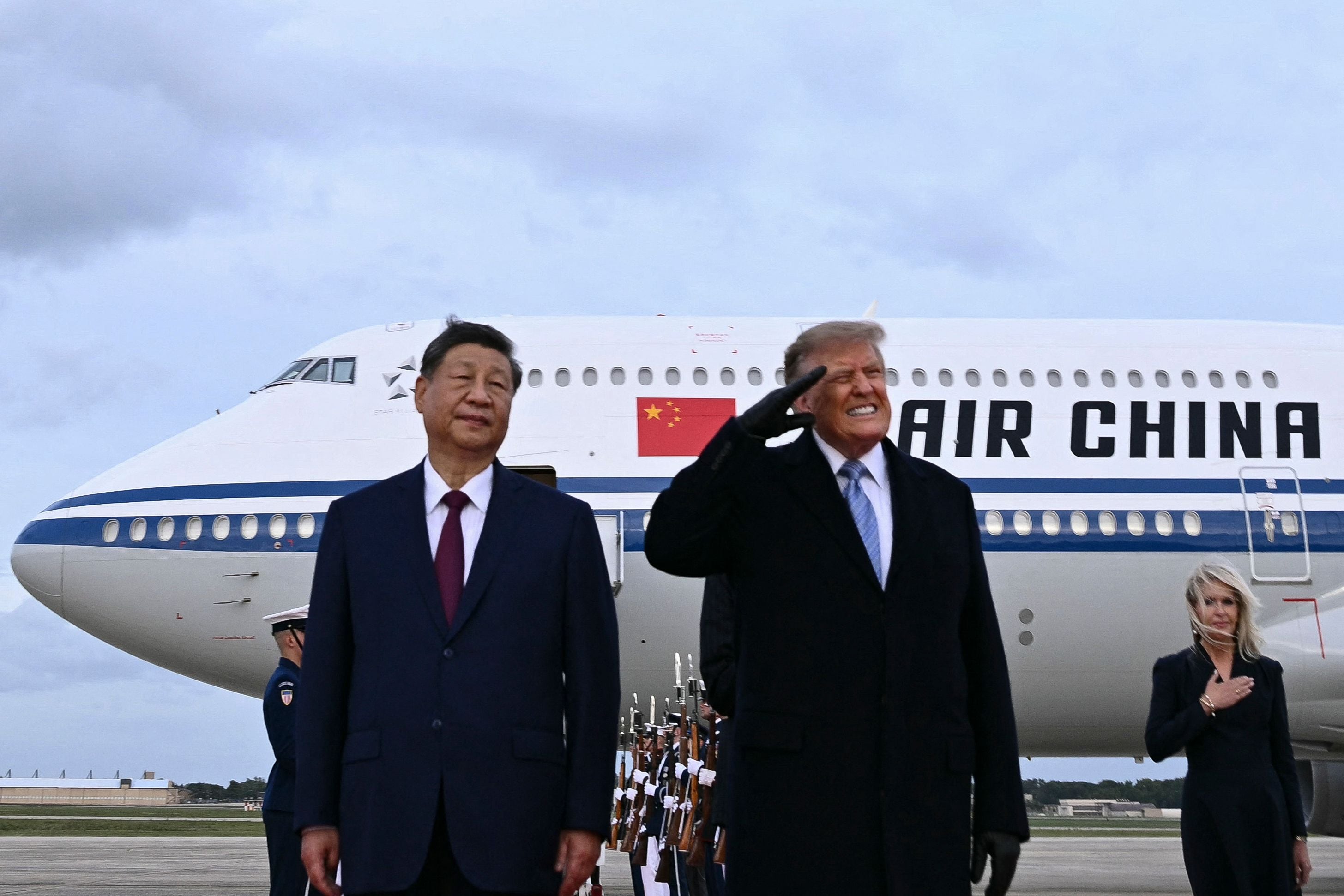
In a recent meeting between Chinese President Xi Jinping and US President Donald Trump, the economic relationship between the two largest global economies is becoming increasingly contentious. The US is seeking to increase its leverage over China's access to energy sources, while China holds significant power in rare earths and critical minerals.
According to recent data, the US and China maintain a robust trade relationship as they are each other's second-largest import partners. However, this trade relationship has been marred by a trade war from 2017 to 2021 under President Trump's first term. Despite this, the US imports machinery, electronics, textiles, and plastics from China, while China relies on imports of vegetable products, chemicals, and machinery from the US.
The US trade deficit with China has been reduced by more than half since its 2018 peak of $418 billion, falling to $203 billion in 2025. Yet, the US is now running larger deficits with other Asian countries like Mexico, Taiwan, and Vietnam. China's oil trade has become more vulnerable due to the Iran war, which has disrupted Middle Eastern oil supplies.
China's oil imports have decreased by 38% since April, relying on strategic reserves and discounted Iranian and Russian oil. The US has imposed tariffs on China for purchasing oil from sanctioned regions but faces potential challenges under new legislation that could impose 100% tariffs on major buyers of Russian oil.
China's dominance in the rare-earth industry, with the largest reserves and processing capabilities, gives it considerable influence over industries such as electric vehicles, renewable energy, electronics, and defense. Meanwhile, the US and China account for 44% of global military expenditure, with the US maintaining its position as the top spender while China's military spending has increased consistently since 2000.
This rivalry in military spending is a reflection of the broader geopolitical tensions between the two nations.
Written by urgent.news from The National UAE's reporting — not their text. Machine-written — may contain errors; check the original before relying on it.