UN approves resolution on dealing with rising sea levels
UNITED NATIONS: The United Nations on Thursday passed a unanimous resolution demanding stronger action on rising sea levels, an existential threat for low-lying island nations driven by ocean warming and melting ice sheets and glaciers.
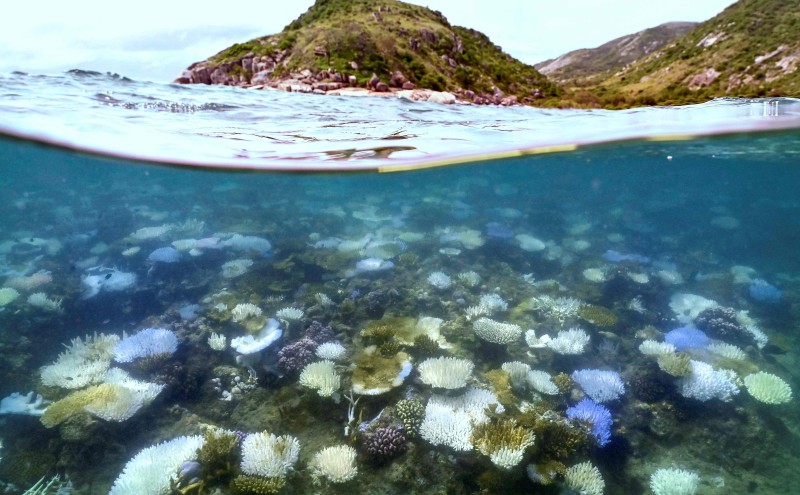
The United Nations has unanimously approved a resolution calling for more robust measures to address the accelerating rise of sea levels, a peril that particularly threatens low-lying island nations. This peril is primarily driven by the warming of oceans and the melting of ice sheets and glaciers. In 2024, sea levels increased by nearly six millimeters, marking the largest annual rise ever recorded. Without immediate action, sea levels are projected to climb by a meter or more by the century's end.
Secretary-General Antonio Guterres emphasized the gravity of this situation, stating that sea-level rise is not merely a matter of millimeters but translates to millions of lives uprooted, communities displaced, and futures lost. He warned that we cannot allow countries and cultures to disappear beneath the waves or see the aspirations of billions vanish in the water.
The resolution aims to invigorate efforts to combat this issue by reducing greenhouse gas emissions and providing financial support to vulnerable countries to bolster their resilience plans. It also tackles legal complexities surrounding the fate of nations as they gradually vanish due to rising sea levels. It clarifies that maritime zones persist even if coastlines recede, and that a state's existence is not forfeited simply because one of its constituent elements disappears.
The declaration holds special significance for small island nations, which have been vocal about the looming threat since the 1989 Male Declaration on Global Warming and Sea Level Rise. Palau's President Surangel Whipps Jr., speaking on behalf of the Alliance of Small Island States, welcomed the resolution as a significant achievement. He highlighted how even minor increases in sea-level rise can lead to substantial coastal losses.
Tom Mortlock, a senior catastrophe research analyst at Aon, explained that one centimeter of sea-level rise equates to a meter of coastline retreat. He projected that flooding, which currently occurs once every 50 years with present sea levels, could occur every three to four years if sea levels rise by half a meter. Mortlock underscored the importance of nature-based solutions, such as mangroves, not only for coastal risk reduction but also for addressing the core problem of climate change, specifically carbon sequestration and mitigation.
Written by urgent.news from New Straits Times's reporting — not their text. Machine-written — may contain errors; check the original before relying on it.