Two Big Stick Insect Species Emerge from Australia
They were hiding in plain sight among their close relatives The post Two Big Stick Insect Species Emerge from Australia appeared first on Nautilus .
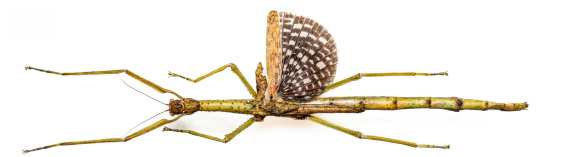
A recent study published in the journal Austral Entomology revealed the discovery of two new species of walking stick insects in Australia, along with a previously recognized species that had been previously cancelled. The study was conducted by biologists at the University of Sydney, led by Braxton Jones, a postdoc.
Walking stick insects, belonging to the Order Phasmatodea, are notorious for their ability to blend in with their surroundings, making them difficult to distinguish from other insects. These insects are known for their long, slender bodies and leaf-like appearance, which helps them avoid predators in their natural habitat.
The researchers examined 35 specimens of walking sticks, 32 of which underwent DNA analysis, while 37 non-Anchiale were assessed for comparison. The study also incorporated citizen science data from iNaturalist and the Atlas of Living Australia, which totaled about 1,100 observations of Anchiale species.
The results of the study revealed two previously unknown species of Anchiale, which had escaped scientific recognition despite extensive study of the region. One of the new species, A. robusta, had been misidentified in the past as a known species. The other newly discovered species, A. mabiensis, was found to have a unique egg structure that differs from other Australian Anchiale species.
In addition to the two new species, the study also recovered a species originally named in 1904, but later cancelled. This species, A. spinicollis, or "the spiny stick insect," was recognized as distinct enough to warrant its own species name through DNA analysis.
These findings highlight the importance of protecting threatened ecosystems and documenting Australia's extraordinary biodiversity before we lose species without even discovering them. The study emphasizes that such "big sticks" may not be the last Australian surprises hiding in plain sight.
Written by urgent.news from Nautilus's reporting — not their text. Machine-written — may contain errors; check the original before relying on it.