Trump-Xi Summit: Xi's ‘Thucydides Trap’ warning, push for Taiwan stance — 6 key takeaways from White House talks
Trump opened the meeting by highlighting his personal relationship with Xi, describing it as a “truly great friendship” built on mutual respect and the interests of both countries.
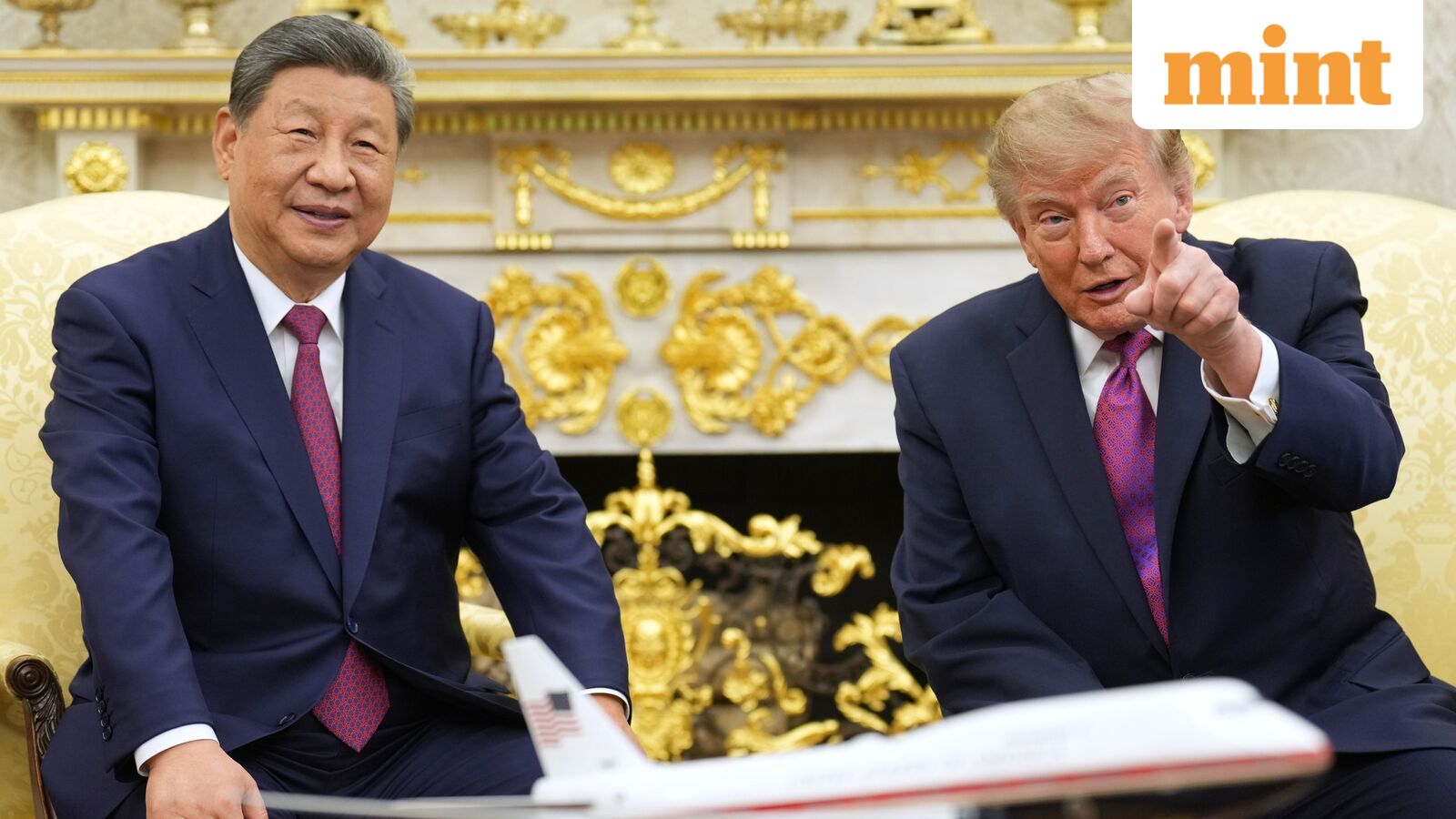
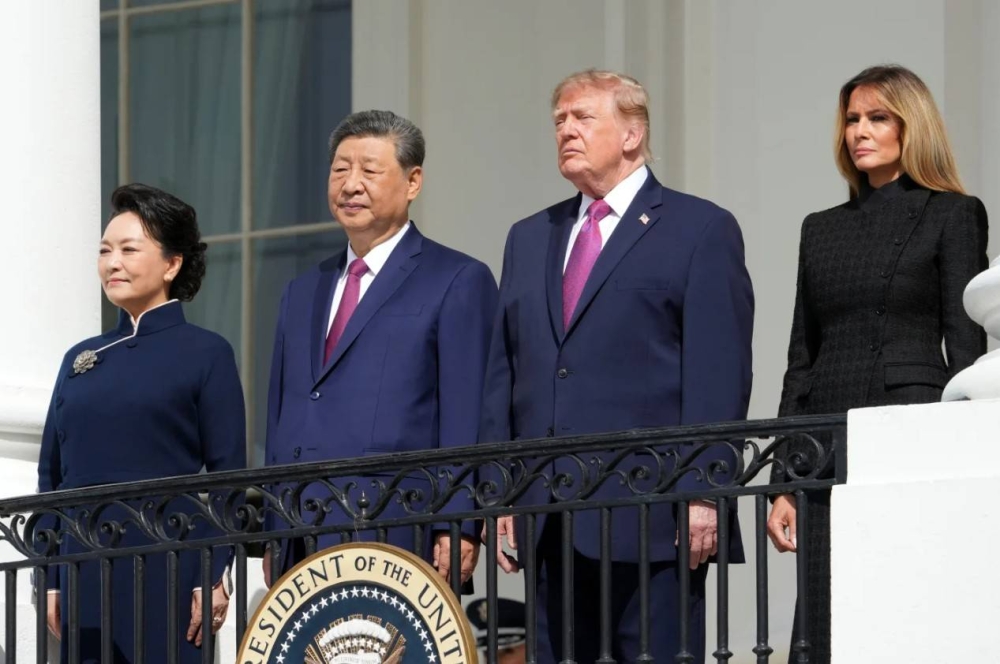
On September 24, US President Donald Trump and Chinese President Xi Jinping convened at the White House for discussions aimed at stabilizing relations between the world's two largest economies, while also addressing critical disputes concerning Taiwan, trade, artificial intelligence, advanced chips, and the ongoing Iran conflict.
Trump commenced the meeting by emphasizing his longstanding friendship with Xi, describing it as a "truly great friendship" founded on mutual respect and the interests of both nations. Xi, in turn, introduced his address by advocating for cooperation and controlled competition, cautioning both superpowers against allowing strategic rivalry to escalate into full-blown confrontation.
The Taiwan issue is particularly poignant given China's territorial claims over Taiwan and its opposition to US arms sales to the island, viewing it as interference in domestic matters. This highlights the intricate balance between territorial assertions and US security obligations. The concept of the "Thucydides Trap" alludes to the potential for tensions between a rising power and a dominant one to precipitate conflict.
Xi urged both nations to navigate their strategic rivalry judiciously to avert such a scenario. Trump lauded his relationship with Xi, underscoring their mutual respect and shared vital interests that he has nurtured since his inaugural presidential campaign in 2016. The summit saw deliberations on artificial intelligence, with both leaders agreeing on the necessity of developing AI responsibly, ensuring it remains under human control and serves the public good.
Xi announced an ambitious youth exchange program, inviting 100,000 American young people to China over the next five years for academic pursuits and cultural exchanges, aimed at fostering people-to-people connections amidst broader political tensions. Addressing the Iran war, Trump sought China's influence over Tehran to negotiate an agreement with Washington.
However, Beijing opposed the US and Israeli military engagement and maintained economic relations with Iran. Xi expressed China's support for the US and Iran to return to negotiations and resolve their disputes through dialogue. Lastly, Xi unveiled a major initiative to facilitate people-to-people exchanges, inviting 100,000 American young individuals to China annually for studies and cultural immersion, as both countries strive to sustain channels of engagement amid escalating tensions.
Written by urgent.news from Live Mint's reporting — not their text. Machine-written — may contain errors; check the original before relying on it.