Trump franchise: Right-wing populists are taking control of Latin America
As the U.S. puts up barriers to would-be migrants coming across the southern border, Latin America is undergoing a sharp political shift. Politicians from Peru to Colombia are copying Donald Trump’s style and are themselves launching crusades against migrants and the left. Disillusionment with socialism and fears of ending up like Venezuelan leader Nicolás Maduro — i.e., captured by U.S. special…
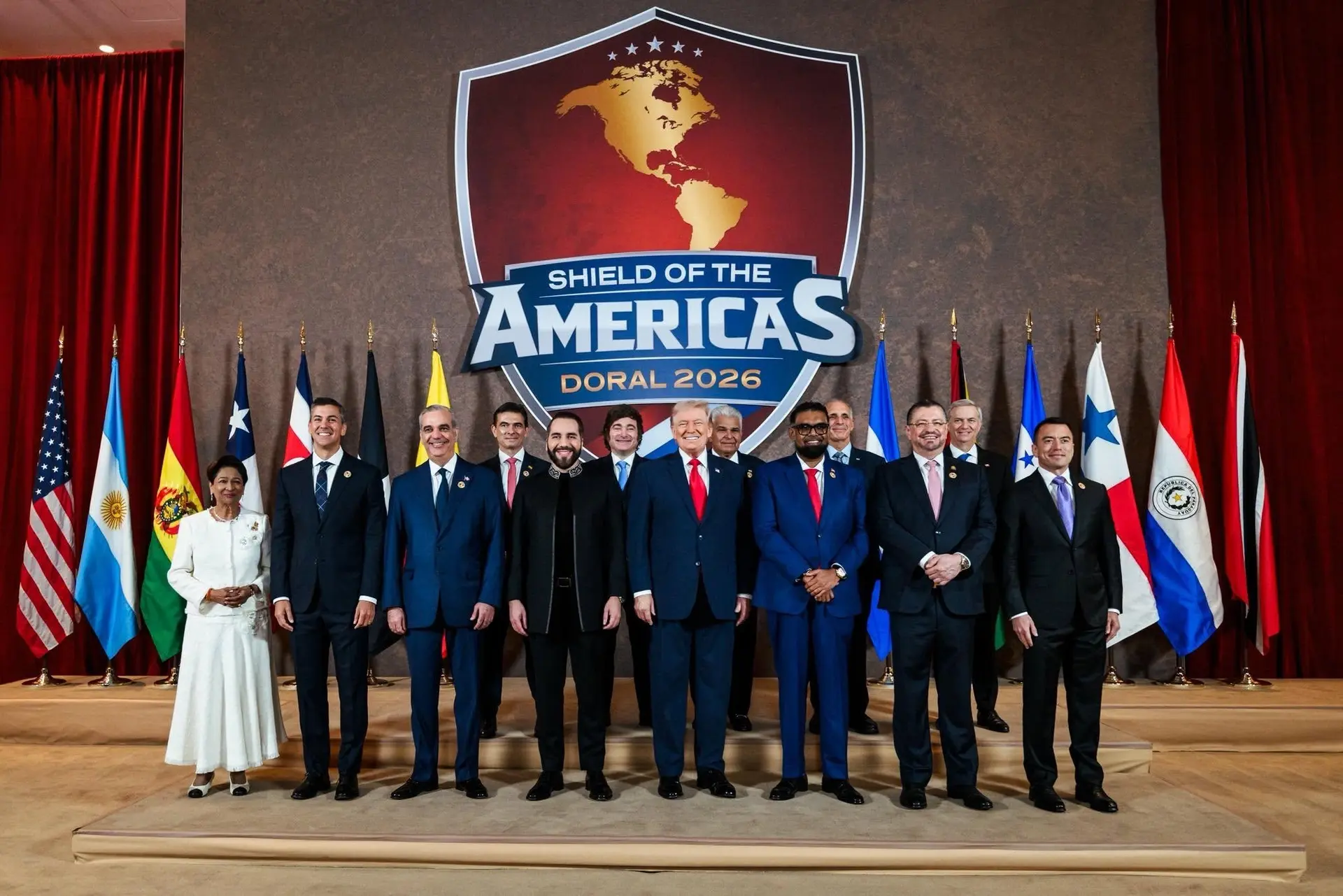
The right-wing populist movement is gaining control in Latin America, according to recent wire reports. Geography, class, race, and historical trauma all play a role in shaping the region's political divide. The right has traditionally represented the interests of landowners, transnational corporations, and big business, while the left has advocated for a stronger state and wealth redistribution.
This economic foundation is linked to "pigmentocracy," where a person's social class often correlates with their skin color. White and light-skinned mestizos dominate the economic and political elite, while Afro-Latin Americans and Indigenous people are predominantly poor.
Geographically, wealthy globalized megacities and coastal areas contrast with poorer inland regions. Over the past two decades, culture wars have further complicated traditional class conflict, with conservative right-wing forces backed by the conservative Catholic Church and neo-Pentecostal churches opposing liberal Catholic "liberation theology" and secular urban leftists advocating for feminism, LGBT rights, and abortion legalization.
Each country has its own unique context, with Peru seeing a territorial and ethnic dimension, Chile facing economic model and dictatorship legacy issues, Colombia shaped by drug trafficking and civil war, and Brazil characterized by a socioeconomic divide between the wealthy South and agricultural Northeast.
The history of Latin American statehood has led to deep domestic hostility, with countries rarely engaging in interstate wars and focusing on suppressing internal uprisings. Right-wing leaders in recent years have emphasized crime and security concerns, fearing a left-wing victory would lead to "Venezuelization" – expropriations, hyperinflation, and institutional collapse.
Meanwhile, leftists fear the right's brutal military tactics and past violence against elites. This paranoia is rooted in centuries of internal colonialism, where elites viewed Indigenous and poor populations as less than equal citizens, exploiting them for cheap labor or attempting to "civilize" them. This fear of domestic enemies has fueled the rise of right-wing populism across Latin America.
Written by urgent.news from The Insider's reporting — not their text. Machine-written — may contain errors; check the original before relying on it.