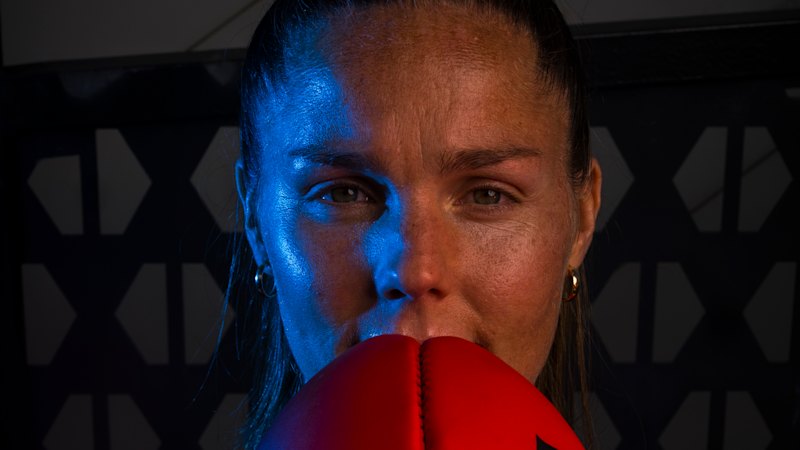
Three leading astophotographers share their best shots – how they took them and why
One genre. Three photographers. Three standout images, each revealing how vision, timing and technique come together in a single frame. The post Three leading astophotographers share their best shots – how they took them and why appeared first on Amateur Photographer .
Andrew Fusek Peters and Abby Moule, three prominent astrophotographers, shared their best shots with us, offering insight into how they captured these images and why they matter. Join us as we explore the stories behind each photograph.
<break/>
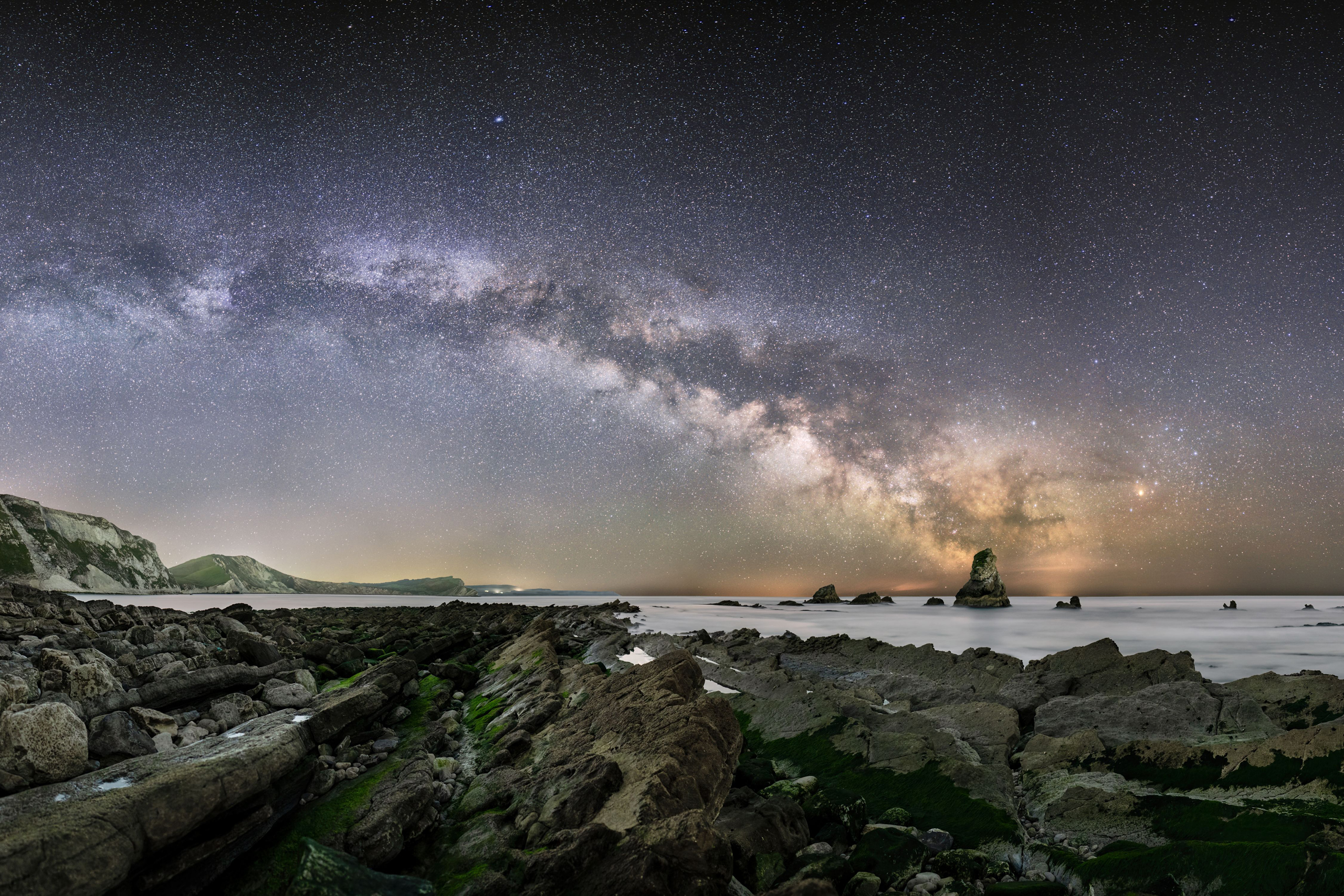
Abby Moule, a UK-based landscape astrophotographer, captured the Milky Way over Mupa Bay. This stunning image showcases the breathtaking arch of the Milky Way over the rugged coastline, with the jagged limestone ridges creating a beautiful foreground contrast. Moule chose this image because it embodies the harmony between the terrestrial landscape and the celestial wonders above. The image was taken during the spring, when the Milky Way core is visible arching across the night sky.
<break/>
Moule's creative decision-making process involved careful planning and technical precision. She navigated the limestone ridges to find the perfect viewpoint, ensuring that the leading line leading into the frame anchored the composition. She also focused stacked her panoramic foreground images to achieve front-to-back sharpness, adding depth and dimension to the final image.
<break/>
Andrew Fusek Peters, a British photographer and author, shared a star trails image taken during the first COVID-19 lockdown in 2020. This image, taken from his attic window facing near North, shows star trails over a three-hour period. Peters chose this image because it represented hope and harmony during a time of fear and worry worldwide. He captured this image as a live composite of over 600 shots, layered up to show the movement of stars around the Pole star.
<break/>
Peters faced several challenges in capturing this image. The constraints of double-glazed glass made capturing the night sky difficult, but he viewed this as a technical and spiritual challenge. He set his camera to Live Composite mode and slept while waiting for the perfect shot. Peters' technical details included using a rock-solid tripod, setting his camera to F2.8, ISO 800, and 30-second exposures in Live Composite mode.
<break/>
Both astrophotographers emphasized the importance of taking risks and pushing the boundaries of their creative process. For Peters, this image was a testament to finding beauty in adversity and using creativity to bring positivity to the world. For Moule, the image represents the wonders of our night sky, inviting others to look up and appreciate the beauty of the cosmos.
Written by urgent.news from Amateur Photographer's reporting — not their text. Machine-written — may contain errors; check the original before relying on it.