Thousands still missing, aid needs mount one month after Nepal’s deadly floods
KATHMANDU, Sept 24 — The tsunami-like flood that cut a swathe of destruction through Nepal on August 26 has left t...
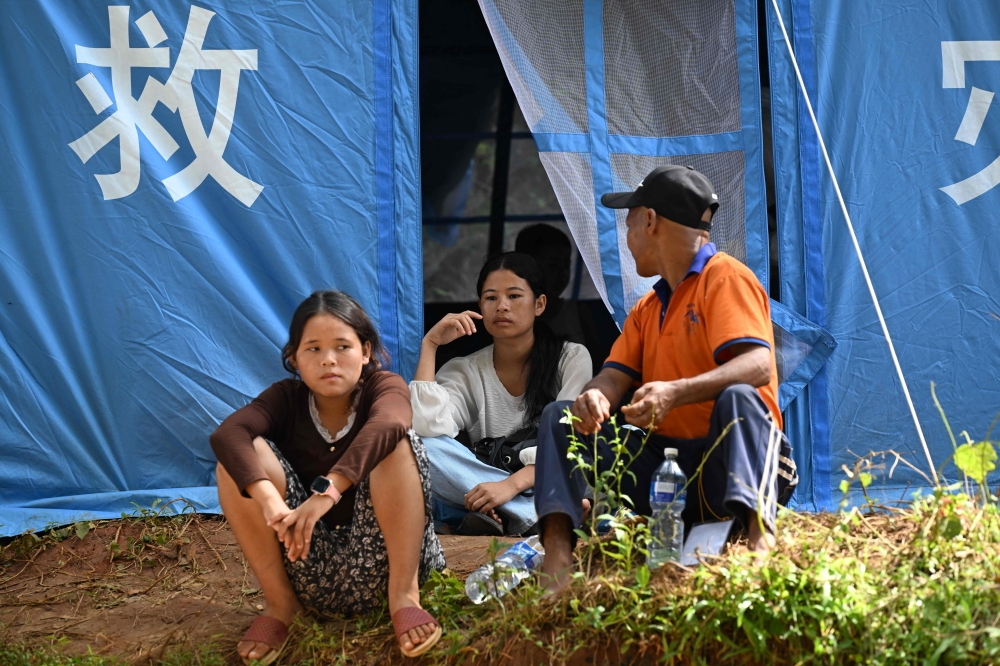
One month after Nepal experienced a devastating flood triggered by a glacial mountain collapse on the China-Nepal border, the country continues to grapple with heavy losses and mounting reconstruction needs. A "bullet train" of debris, unleashed at 8:37am local time on August 26, surged downhill at a shocking rate, dropping 1,700 meters in just seven minutes as it traveled 20 kilometers.
The disaster has left an estimated 1,451 bodies recovered and over 5,700 people missing, with many of the missing being workers from hydropower projects and foreign tourists and pilgrims.
Rescue operations have been ongoing, with hundreds of rescuers deploying helicopters to dig through the muck and rubble. A glimmer of hope emerged when three workers were rescued alive from tunnels, but identifying victims remains a major challenge due to overwhelmed morgues and the need for DNA testing. With only about 100 bodies identified so far, the task ahead is enormous.
The international community has rallied to assist Nepal, with the United Nations launching an urgent appeal for nearly $50 million in emergency aid. However, the scale of the disaster has far outpaced the generous pledges of financial support, which amount to a mere few million dollars. Nepal's reconstruction bill is estimated at $4.78 billion, with $57 million needed for short-term reconstruction and recovery over the next six months.
The floods have significantly impacted Nepal's infrastructure, reducing its hydropower generation capacity by 10 percent and halving the total electricity generation capacity. Half of the total infrastructure damage can be attributed to the energy sector. Nepal's economy is already under pressure, with a high rate of informal employment and a low GDP per capita.
Climate change experts have pointed to long-term warming, glacier retreat, permafrost thaw, and geological instability as contributing factors to the disaster. Prime Minister Balendra Shah has emphasized the urgent need for long-term international support to help Nepal adapt to a rapidly changing mountain environment.
Written by urgent.news from Malay Mail's reporting — not their text. Machine-written — may contain errors; check the original before relying on it.