This isn’t about who wins, but about the citizen’s right to her vote
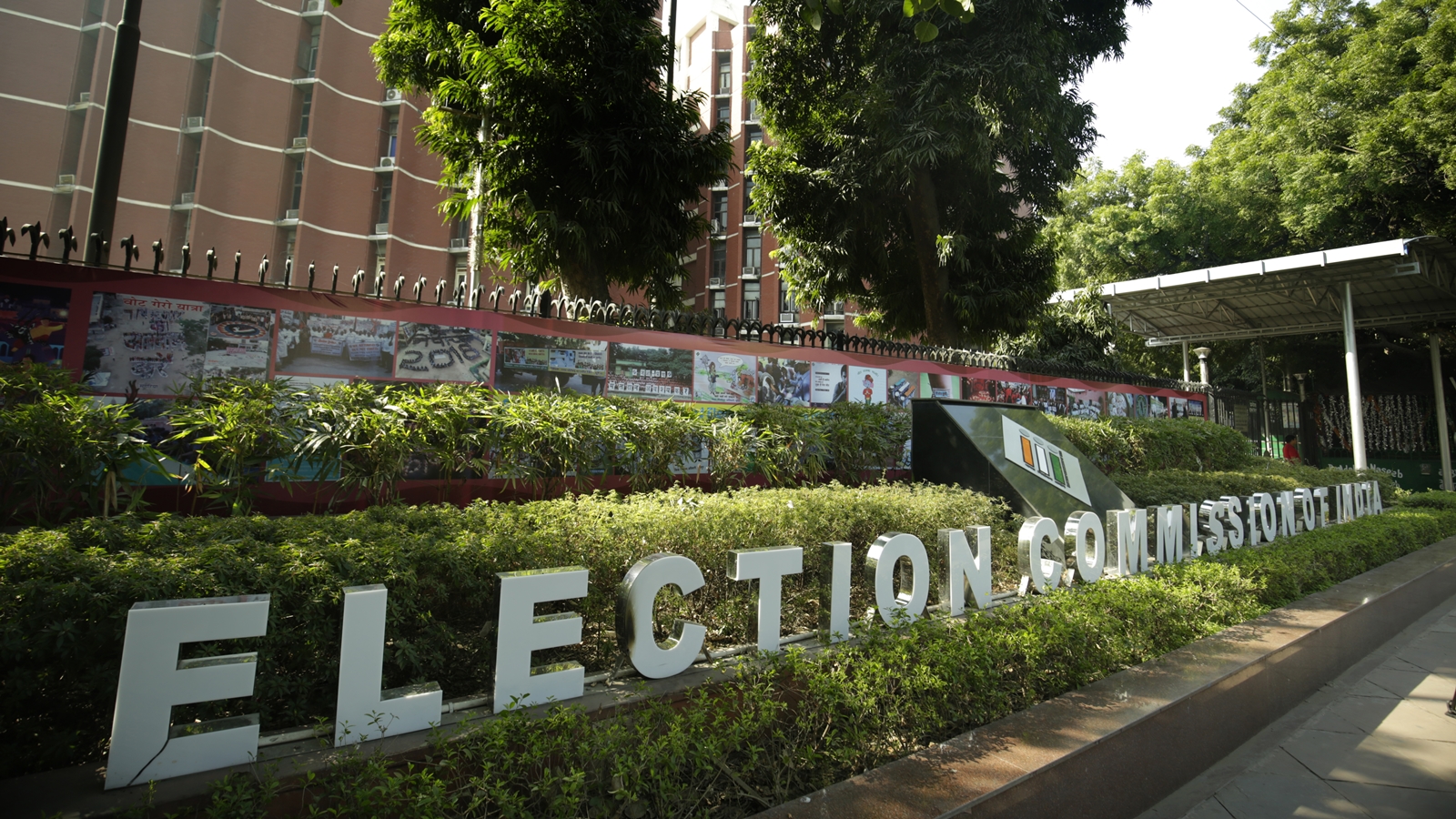
November 10, 2020, remains vivid in my memory. Bihar Assembly election counting had just begun when we, as an alliance, faced genuine complaints and grievances, including those regarding postal ballots. The margin between our alliance and the eventual victors was only a few hundred votes in several constituencies. We approached the Election Commission of India (ECI) multiple times, presenting evidence and concerns.
Despite accepting the mandate, we knew the battle was far from over, as not every objection had been resolved. However, we recognized the need to protect the credibility of the institution conducting the election. The ECI itself acknowledges that its creation was to safeguard India's democracy through free and fair elections, with the Constituent Assembly ensuring the electoral machinery remained outside executive government control. This culture of trust between winners and losers has now become the central issue at hand.
The Indian Express investigation, published on September 23, revealed disturbing revelations. Two out of the three members of the constitutional body admitted that important decisions regarding electoral rolls were made without their knowledge or objections. These concerns touched upon fundamental aspects of the electoral process: voter eligibility, name deletion, restoration, access, and alteration of the electoral database. This should alarm us all, regardless of our political affiliations.
The right to vote is not a privilege granted by the government, opposition, or ECI; it is an inherent right of every citizen. We have grown accustomed to discussing elections primarily on polling day, but the crucial decision-making often happens earlier. When a citizen's name is removed from the electoral roll, they face disenfranchisement—a reality, not just a constitutional debate.
While technology can greatly enhance elections by reducing duplication, speeding up verification, and bolstering administrative capacity, it must never compromise the constitutional right to vote. When an Electoral Registration Officer (ERO) has the legal authority to make determinations but a centralized digital system hinders the recording of those decisions, the problem transcends mere technology and becomes a constitutional issue.
The case of 97 voters in Goa serves as a stark reminder. The ERO had confirmed their eligibility, yet the software barred the proper recording of their decision, leaving them off the final roll. The more profound danger lies in the bureaucratisation of the citizen's right to vote. The modification to Form 6, which introduced questions linking new voters to their family's electoral history, especially raised objections from two ECs who argued that such statutory forms should not be altered without changes to the relevant rules.
When did voting become an inherited right, determined by one's parents or grandparents' presence on earlier electoral rolls? The Constitution does not envision citizenship as a family lineage.
In 2020, we accepted the mandate because we believed in the institution's importance over the immediate election result. Six years later, this belief underscores the urgency of these current questions. Ultimately, the issue is not about which party won the election. The crucial question is whether citizens can still believe that their vote was their own to cast, and that the constitutional machinery exists to safeguard this fundamental right.
As an MP from the Rajya Sabha and a member of the Rashtriya Janata Dal, I urge everyone to recognize and protect this cornerstone of our democracy.
Written by urgent.news from The Indian Express's reporting — not their text. Machine-written — may contain errors; check the original before relying on it.