The three-pronged future of custom PC building — from repurposing forgotten parts to ultra-premium works of gaming art
This is probably the worst time ever for PC building. Here’s how and why I think the hobby (and the market) still have a future to look forward to.
The current climate of PC building is exceptionally challenging, with the simultaneous occurrence of RAM shortages, storage issues, GPU stagnation, and price increases. It feels like the worst time to build a PC in recent memory, even for someone like the author who has been building PCs for over two decades. However, there are glimmers of hope for the future of custom PC building.
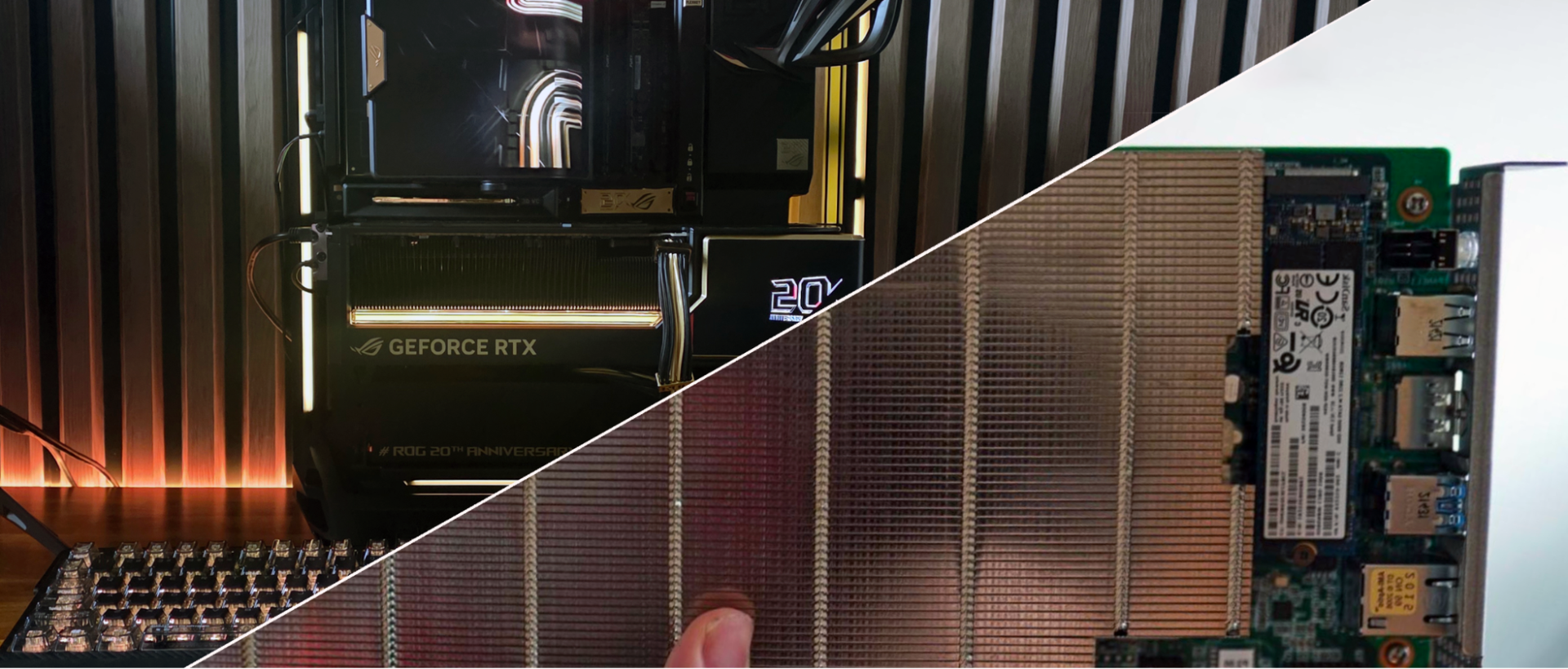
One promising area is the repurposing of forgotten parts into new, functional systems. A recent example of this is AMD's BC-250, a 2021-era APU from a PS5 that was initially defective or cut down. Through community efforts, this hardware has been transformed into a Linux-based competitor to Valve's Steam Machine, costing significantly less while still offering 16GB of shared GDDR6 memory.
This demonstrates that with patience, research, and tinkering, it is possible to make use of older hardware, avoiding the current RAM pricing crisis.
Another aspect of the PC-building future is the continued existence and growth of the high-end luxury market. Asus' ROG Edition 20 line, a premium offering celebrating the company's 20th anniversary, showcases this trend. Featuring expensive parts and peripherals, this build costs around $15,000, a price tag that many gamers and PC enthusiasts are willing to pay for top-of-the-line performance. Even with fluctuations in individual part prices, the luxury PC market appears to be resilient and likely to persist.
However, the situation for mainstream gaming PCs is more concerning. The shrinking market due to various factors, including RAM shortages and GPU price increases, suggests that options in the sub-$2,000 range that "just work" without extensive customization may become increasingly scarce. While consoles, gaming laptops, and handheld devices are becoming more expensive, they also offer less customization and flexibility.
The author notes that while DDR4 may continue to be supported longer by Intel and AMD, its increasing costs and limited performance improvements make it less attractive. DDR5's affordability and availability remain uncertain, and GPU prices continue to be a significant challenge.
Written by urgent.news from Tom's Hardware's reporting — not their text. Machine-written — may contain errors; check the original before relying on it.