The incredible story of a lesbian photographer who fled the Nazis
An extraordinary archive of 258 boxes is helping uncover the remarkable life and work of Lisel Haas, a German-Jewish photographer who rebuilt her career in Birmingham after fleeing Nazi Germany. The post The incredible story of a lesbian photographer who fled the Nazis appeared first on Amateur Photographer .
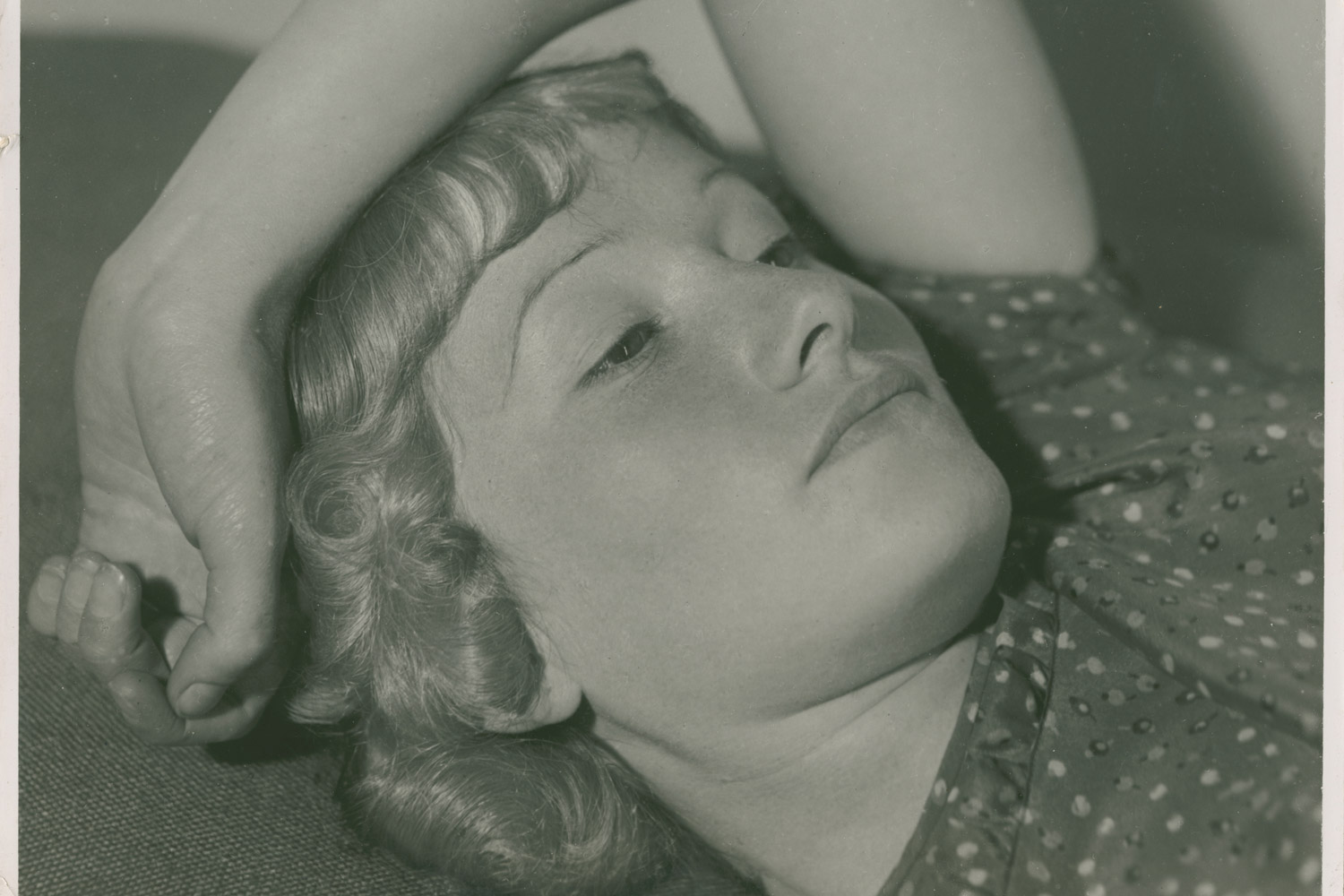
An impressive collection of 258 boxes has emerged, shedding light on the extraordinary life and work of Lisel Haas, a German-Jewish photographer who resettled in Birmingham following the Nazi regime's persecution. Curator Jen Wilbur anticipated around 70 boxes at the Library of Birmingham, but the discovered amount far exceeded expectations.
Each box contained a trove of historical artifacts, including glass and celluloid negatives, photographs, proofs, letters, receipts, invoices, and various other ephemera. Among the records were camera and photographic material details, discussions about color photography, client indexes, images of notable personalities, ordinary families, animals, landscapes, and friends.
However, the archive also harbored an air of mystery. Wilbur, the curator of the exhibition "Discovering Lisel Haas" at the Library of Birmingham, expressed amazement at the sheer size of the collection, which is set to be displayed until December 12, 2026.
Born in Mönchengladbach, Germany in 1898, Haas had already made a name for herself as a photographer before the Nazi takeover forced her to leave the country in 1938. At the age of 40, she resettled in Birmingham and embarked on a new chapter in her life and career. Within a few years, she had established her photography business and forged a close relationship with Birmingham Repertory Theatre.
Her work included capturing portraits of some of the era's most renowned actors, such as Paul Scofield, Albert Finney, Ian Richardson, and Derek Jacobi. However, the celebrity portraits are merely a small part of Haas's remarkable story. Her life's narrative encompasses themes of exile, assimilation, professional women, cultural history of Birmingham, and a relationship that remained largely unknown until the boxes were unearthed.
Written by urgent.news from Amateur Photographer's reporting — not their text. Machine-written — may contain errors; check the original before relying on it.