Thailand’s solar scheme faces hurdles as low power users turned off by high cost
Toey Wattana Mongkhonnam began thinking about outfitting his family home in Thailand’s northeastern province of Yasothon with solar panels during the Covid-19 pandemic. In his household of five, electricity use rises with the day’s heat, and the monthly bill could range from 1,000 to 1,500 baht (US$30 to US$45). “Back then, I checked prices and a rooftop panel system that could put out enough…
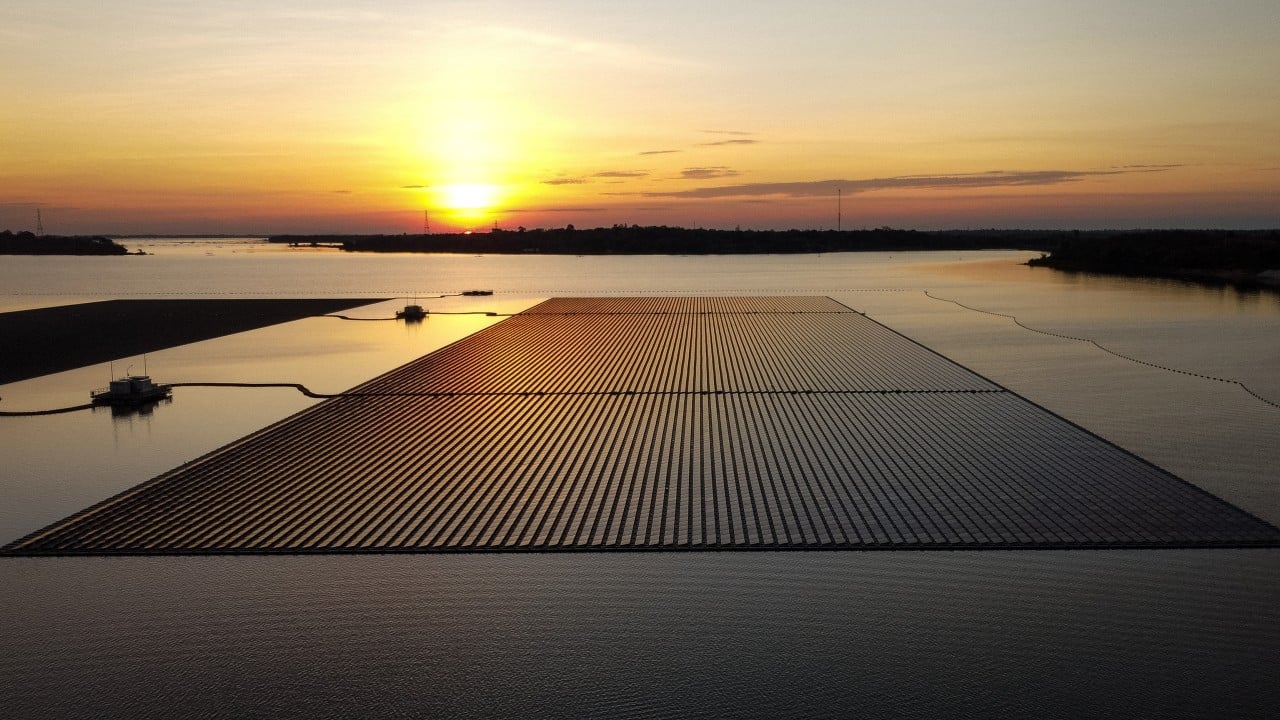
Thailand's government has proposed a 50-billion-baht (US$1.5 billion) rooftop-solar support scheme aimed at making solar power more accessible to households across the country. The scheme is intended to help up to 1 million households install 5 gigawatts of solar capacity on their rooftops, with targets set as high as 1.5 million households. However, the success of the scheme may depend on various factors, including financing, eligibility, and grid connections.
Toey Wattana Mongkhonnam, a Muay Thai trainer in Kuala Lumpur, began considering solar panels for his family home during the COVID-19 pandemic. The monthly electricity bill for his household of five typically ranges from 1,000 to 1,500 baht (US$30 to US$45), and he estimated that a rooftop panel system capable of powering his household's appliances would cost between 100,000 and 200,000 baht.
Similar to Toey, many Thai households may not have the financial means to invest in rooftop solar installations without substantial subsidies.
A key consideration is the value of electricity generated by rooftop solar systems. For households with higher electricity usage, particularly during peak hours, the savings from solar power can be significant. However, for those with lower consumption, the benefits may be less apparent, as they still need to cover the upfront installation costs.
Evan Ng, Siemens Energy's Asia-Pacific energy transformation consulting team lead, explained that the current buy-back payment for surplus electricity exported to the grid is relatively low, and the economics of residential solar often rely on self-consumption and avoided retail electricity costs.
The proposed subsidy could potentially shorten the payback period for household solar installations by 1½ to 2 years. However, the impact of the scheme may vary depending on the financing structure, system size requirements, and eligibility rules. If the initiative primarily benefits households with higher electricity demands, it could exacerbate an existing "rooftop solar divide" between wealthier and lower-income families.
Energy finance specialist Haneea Isaad noted that direct capital reductions and affordable financing might be more appealing to lower-income households, as they tend to consume more of their solar power themselves.
Another challenge facing the scheme is whether Thailand's local electricity networks can accommodate the addition of numerous rooftop solar systems. While the national grid can handle a significant amount of distributed generation, individual distribution networks and transformers may face constraints in terms of voltage stability, reverse power flows, and transformer overloading.
To mitigate these risks, smart meter data, feeder assessments, and digital network models can help identify suitable locations for new rooftop installations without the need for major upgrades.
For Toey and Saenmuang Chaichan, residents in Yasothon, the 50,000-baht subsidy would be a significant help in making solar installations more accessible. However, both acknowledged that additional savings would be necessary if the required system costs surpassed the subsidy amount. The success of Thailand's rooftop-solar support scheme will depend on addressing financing, eligibility, and grid connection issues to ensure that the benefits of solar power are available to households of all income levels.
Written by urgent.news from South China Morning Post's reporting — not their text. Machine-written — may contain errors; check the original before relying on it.