Stanford Scientists Find That the Human Brain Is Actually Two Separate Organs
"I was surprised at our findings because the word 'brain' implies a contiguous organ that likely has a singular origin." The post Stanford Scientists Find That the Human Brain Is Actually Two Separate Organs appeared first on Futurism .
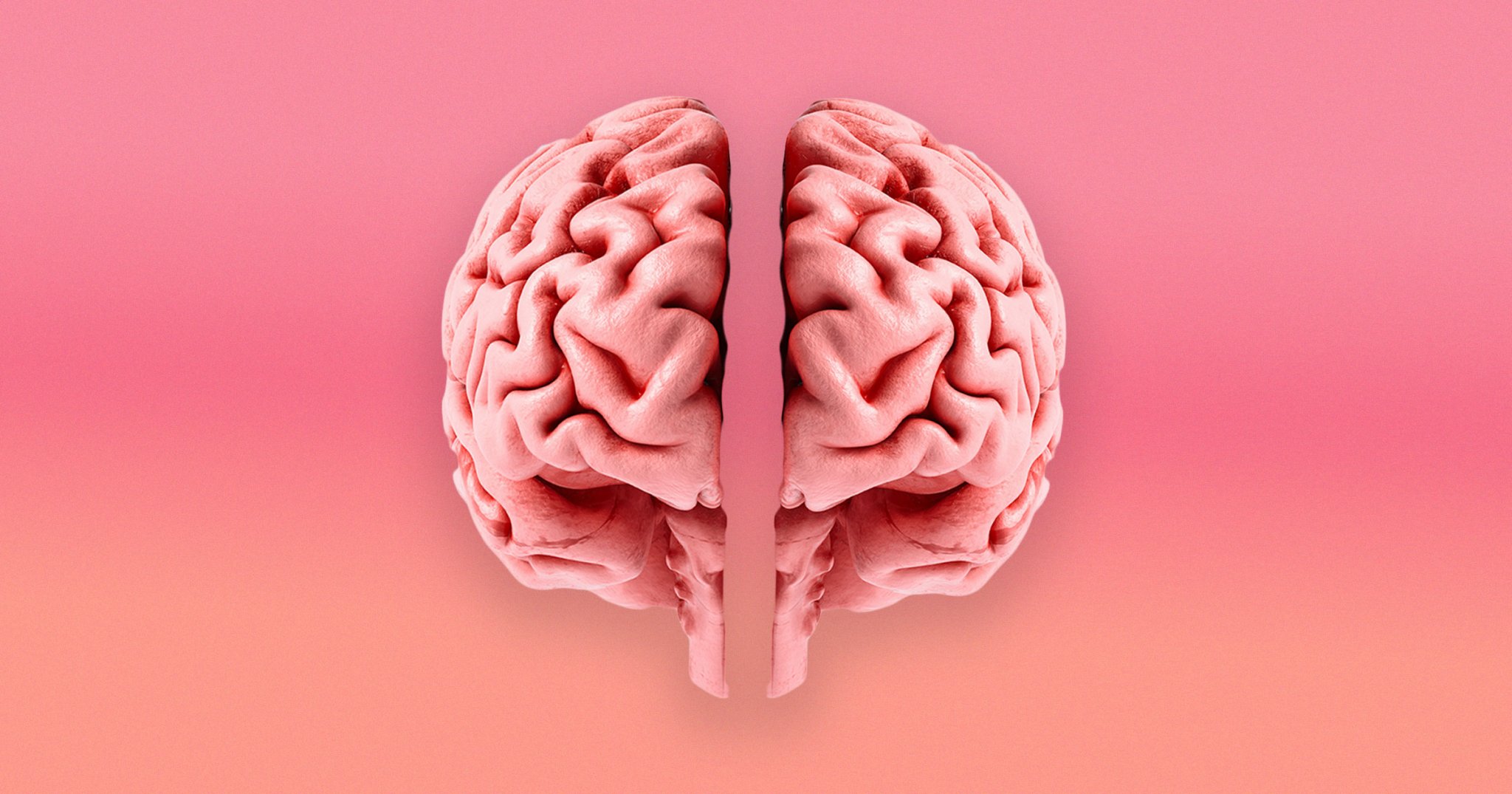
A groundbreaking study published in Nature Neuroscience reveals that the human brain is not a single entity, but rather two distinct organs that evolved independently over hundreds of millions of years. This revelation, led by Stanford University scientists, could revolutionize our understanding of brain development and open new avenues for studying neurological diseases.
The research team discovered that the forebrain, responsible for higher-level thinking and consciousness, originates from a different progenitor cell than the hindbrain, which controls fundamental life-sustaining functions like heartbeat regulation and breathing. By identifying this previously unknown separation, the researchers were able to successfully grow hindbrain motor neurons from stem cells in the lab, a task that previously seemed impossible.
The findings also suggest that the human brain may have evolved from two primitive neural systems that eventually fused together spatially. This discovery could explain why certain complex brain functions, such as memory and creativity, were able to evolve independently within the two distinct brain organs. The implications of this research extend beyond basic neuroscience, as it could lead to significant advancements in the treatment of neurological disorders that affect the brain stem, such as ALS.
Written by urgent.news from Futurism's reporting — not their text. Machine-written — may contain errors; check the original before relying on it.