Sony wants AI to silently vibe-code fixes for your PlayStation and other devices
In 2025, Sony filed an AI-focused patent with the USPTO. The recently published patent reveals a diagnostics and troubleshooting system designed to rely heavily on automation, with large language models acting as both the "brain" and the developer – tasked with fixing issues found on customers' devices. Read Entire Article
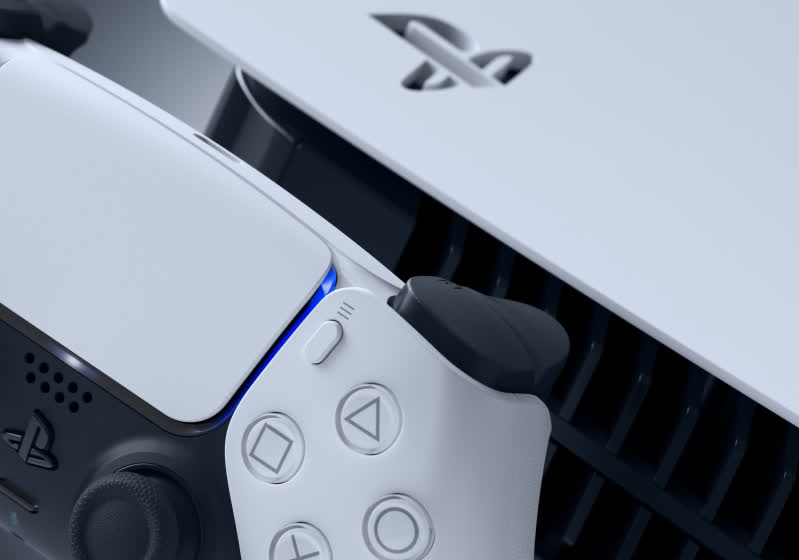
Sony is venturing into uncharted territory with AI technology, cloud services, and other consumer-focused solutions, despite announcing the potential discontinuation of physical PlayStation games. The company is taking things a step further by constantly monitoring users' devices, with the aim of having large language models (LLMs) automatically generate fixes for any software issues that arise.
In 2025, Sony submitted an AI-focused patent to the USPTO, detailing a diagnostic and troubleshooting system that heavily relies on automation and the use of LLMs as both the "brain" and the developer responsible for resolving problems on customers' devices.
The patent application describes a remote AI server that constantly monitors a user's device, ready to signal any issues that may arise. Once detected, the server can generate a small diagnostic tool to send back to the device. After analyzing the diagnostic data, the system can either fix the problem on its own or submit a new ticket for review by a human troubleshooter at a later date.
The cloud-based "brain" has the ability to select between multiple LLMs to complete the task, and even write and upload software fixes for on-device firmware, operating systems, and more.
In theory, Sony's AI-based troubleshooting technology could be applied to gaming consoles, TVs, headsets, and other consumer electronics sold by the company. If the system succeeds, users would likely remain unaware of the device downloading updated firmware, resulting in a fully functional device for them. However, there are concerns regarding privacy and data security, as the cloud system would function as an always-on monitoring system for consumer devices.
Additionally, automated systems like this are still vulnerable to generating hallucinations, security issues, and creating difficult-to-maintain code. It's important to remember that tech companies often file patents for various reasons, and many revolutionary ideas never see the light of day. The AI-based troubleshooting system has already been rejected by a USPTO examiner, but Sony may continue to pursue their patent application within the USPTO, amending the original application as needed.
Written by urgent.news from TechSpot's reporting — not their text. Machine-written — may contain errors; check the original before relying on it.