„Sonnenvitamin“: Vitamin D im Herbst: Wie kriegt man genug, was ist zu viel?
Wie lange braucht man Sonne, um genug Vitamin D zu speichern? Was sollte man essen, und wann sind Extra-Präparate sinnvoll, auch für die Stimmung? Antworten darauf - und wo man aufpassen sollte.

As the days grow shorter and the sun sets lower in the sky, Germany's Deutsche Gesellschaft für Ernährung (DGE) notes that sunlight alone typically isn't sufficient to produce enough Vitamin D after October. Vitamin D plays a crucial role in calcium and phosphate metabolism, bone and muscle health, and the immune system. Unlike most vitamins, the body can produce Vitamin D through direct sunlight exposure, making up 80 to 90 percent of the body's supply when sufficient sunlight reaches the skin, according to the Federal Institute for Risk Assessment (BfR).
The remaining amount comes from diet. When the sun shines more generously in the summer, the body stores Vitamin D in fat and muscle tissues, which are then used to support the body during the darker winter months. The DGE recommends two to three times per week, depending on the season and skin type, spending around 5 to 25 minutes in sunlight on the face, hands, and arms.
If this exposure is maintained, the body should have adequate reserves and won't require additional pills or other Vitamin D preparations. In addition to sunlight, the DGE suggests regular outdoor activities and exercise, as physical movement and sport strengthen muscles and bones. Consuming vitamin-D-rich foods like eggs, certain seaweed, and fatty fish can also help.
Experts recommend eating fatty fish such as herring, mackerel, or salmon at least once or twice a week, as it contains vitamin D, omega-3 fatty acids, and iodine. This approach can ensure adequate Vitamin D without the need for supplements. However, sunbed use is not a suitable alternative, as it increases the risk of skin cancer, according to the BfS.
Certain risk groups, including older adults, those who rarely or never spend time outdoors, people who cover their skin extensively, and those with darker skin tones, are more likely to have a Vitamin D deficiency. Additionally, mobility-impaired, chronically ill, and elderly people living in care facilities require Vitamin D supplements.
These groups are advised to take Vitamin D supplements. Infants in their first year typically receive Vitamin-D drops or tablets to prevent rickets, with a refresher in the winter months advised by the German Society for Child and Adolescent Medicine. A reference value calculator on the DGE website can help determine individual nutrient needs: https://www.dge.de/wissenschaft/referenzwerte-tool/.
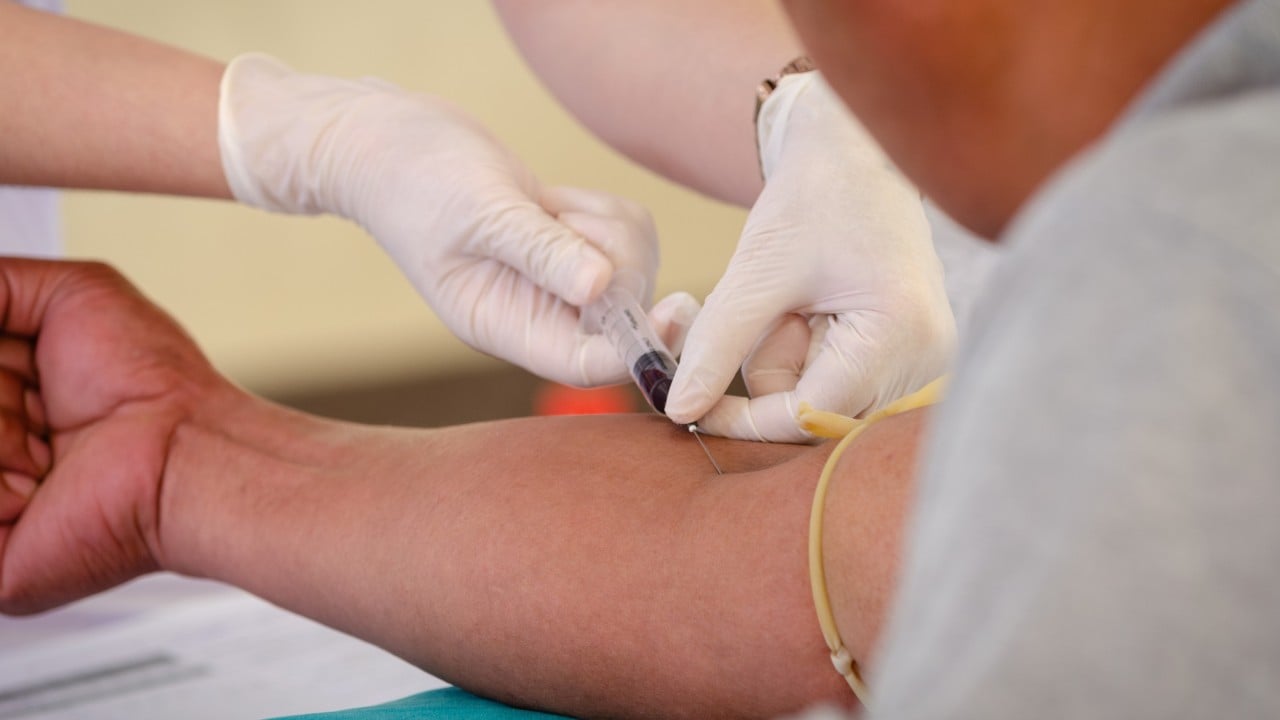
If you're unsure if you have a Vitamin D deficiency, consult a physician before starting a self-treatment regimen. Symptoms like fatigue or weakness can indicate a deficiency but may also be caused by other factors. A blood test can provide clarity. It's possible to have too much Vitamin D, as excessive intake can lead to adverse effects like kidney problems.
This can only occur through prolonged oral consumption of more than 100 micrograms per day, as recommended by the DGE and BfR. Regarding mental health, Vitamin D plays a role in the production of brain chemicals dopamine and serotonin. Some psychiatrists prescribe Vitamin D for patients with depression, especially since these individuals often have risk factors for Vitamin D deficiency due to symptoms like fatigue, social withdrawal, and reduced mobility.
However, as always, a Vitamin D supplement should only be taken after a medical check for a potential deficiency.
Written by urgent.news from Handelsblatt's reporting — not their text. Machine-written — may contain errors; check the original before relying on it.