Shutdown in India's Ladakh a year after deadly autonomy protests
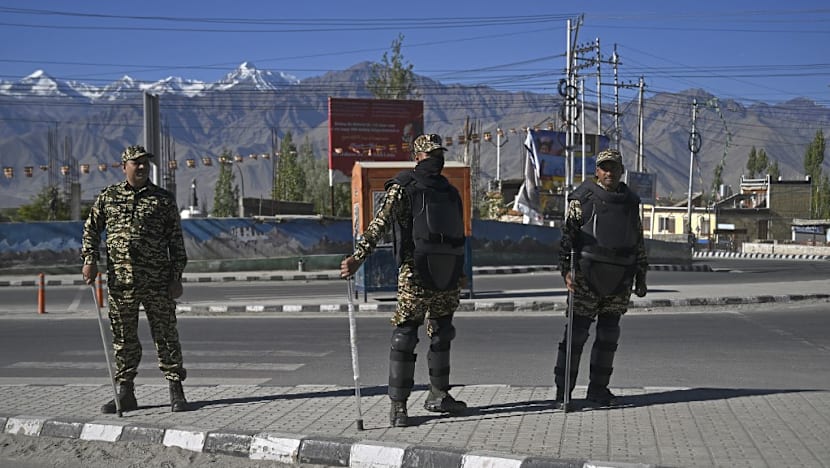
SRINAGAR, September 24 — People in India’s Ladakh region observed a city-wide shutdown today to honor the anniversary of a deadly protest one year ago. Four individuals tragically lost their lives during a demonstration demanding greater regional autonomy on the same date in 2025. Security forces opened fire when the demonstrations turned violent in Ladakh, a high-altitude, sparsely populated Himalayan area.
Shops and businesses in the city of Leh remained closed, and streets were deserted in response to calls from a Buddhist group to observe the shutdown, according to witnesses.
A member of the Ladakh Buddhist Association explained to AFP that the shutdown aimed to remember the "martyrs" who sacrificed their lives for Ladakh and to show solidarity with their families. They also hoped to draw attention to their demands for greater autonomy. The region is strategically vital for India as it borders China and Pakistan, and is home to around 300,000 residents, half of whom are Muslim and about 40 percent Buddhist.
Since Prime Minister Narendra Modi's government separated Ladakh from Indian-administered Kashmir in 2019, residents have complained that the loss of semi-autonomy has deprived them of protections for land, jobs, resources, and cultural identity. Most decisions regarding development are now made by officials from outside Ladakh, who implement them without consulting the local elected council.
Recently, the New Delhi-appointed top administrator of Ladakh announced that 20 individuals charged following last year’s protests would no longer face criminal prosecution, in an attempt to promote peace, public tranquility, and social harmony in the region.
Negotiations between the federal home ministry and local people have been ongoing since the protests, but residents have only managed to secure limited gains so far. The government has reserved 85 percent of jobs for locals and stated that individuals from outside Ladakh will not be granted domicile status in the region until 2036.
However, residents are pushing for comprehensive autonomy under the "Sixth Schedule" of India's constitution, which would enable a local legislature to make laws on land use, jobs, and traditional livelihoods.
Written by urgent.news from Malay Mail's reporting — not their text. Machine-written — may contain errors; check the original before relying on it.
This story
This is one outlet's version. Read the fullest account.