Peter D. Ward
Professor: Biology, Earth & Space Sciences, U. WashingtonAuthor: Rare Earth: Why Complex Life is Uncommon in the Universe(w/D. Brownlee, 2003, Springer)Author: The Life and Death of Planet Earth(2003, Times Books) How will humanity first discover ET Life?Best Guess: biosignatures (Solar System)Microbial Life– May be right next door, on Mars, or further out in the ice […] The post Peter D. Ward…
Peter D. Ward, a professor specializing in Biology, Earth & Space Sciences at the University of Washington, has written two notable books: "Rare Earth: Why Complex Life is Uncommon in the Universe" (co-authored with Donald Brownlee in 2003, Springer) and "The Life and Death of Planet Earth" (published in 2003 by Times Books). According to Ward, the most likely method for humanity to detect extraterrestrial life would be through biosignatures within our Solar System.
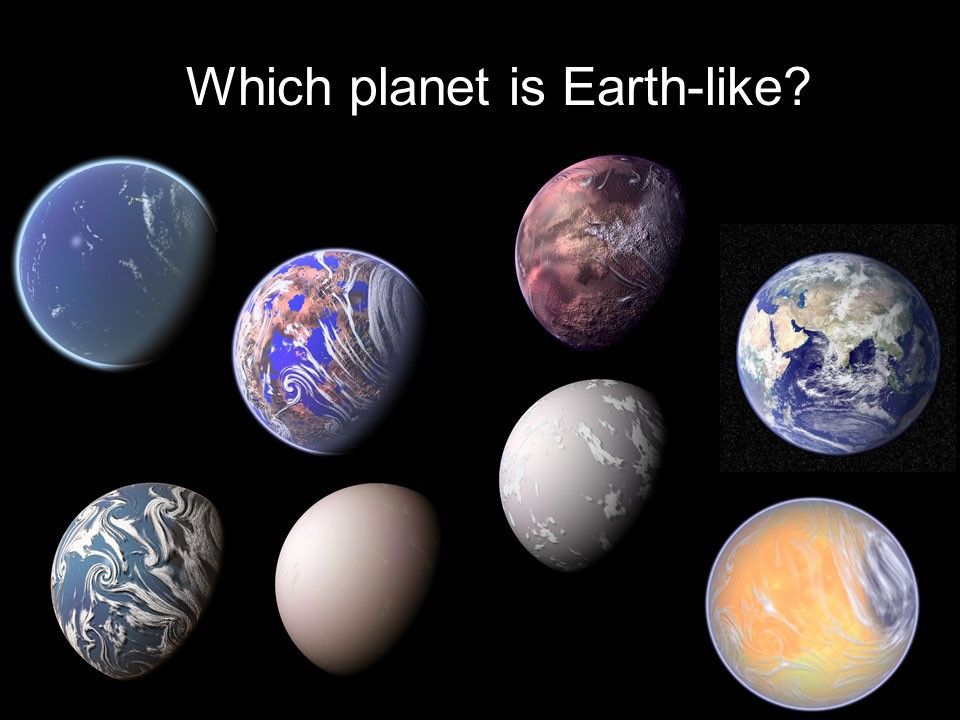
He believes microbial life might be found on Mars or in the ice moons of other planets in the Sol system. However, complex life is unlikely to be discovered, given the challenges faced by current life and planet hunters. One of the significant issues is labeling numerous exoplanets as "Earth-like," which could be misleading. Another critical problem is whether tidally locked planets could potentially support complex life.
The Rare Earth Hypothesis suggests that while planetary systems frequently harbor microbial life, robust organisms and environments conducive to complex life are rare. These environments require unique conditions, making their formation difficult and their longevity uncertain. It's worth noting that on Earth, microbial life emerged soon after the late heavy bombardment.
In contrast, the evolution of animal-like organisms, which are more akin to complex life, took approximately 4 billion years.
Written by urgent.news from NASA Science's reporting — not their text. Machine-written — may contain errors; check the original before relying on it.