Palm recovers slightly on firmer Dalian, India duty cut
KUALA LUMPUR: Malaysian palm oil futures opened slightly higher on Thursday after four straight sessions of losses, supported by stronger rival Dalian oils and by India's decision to cut import duty.
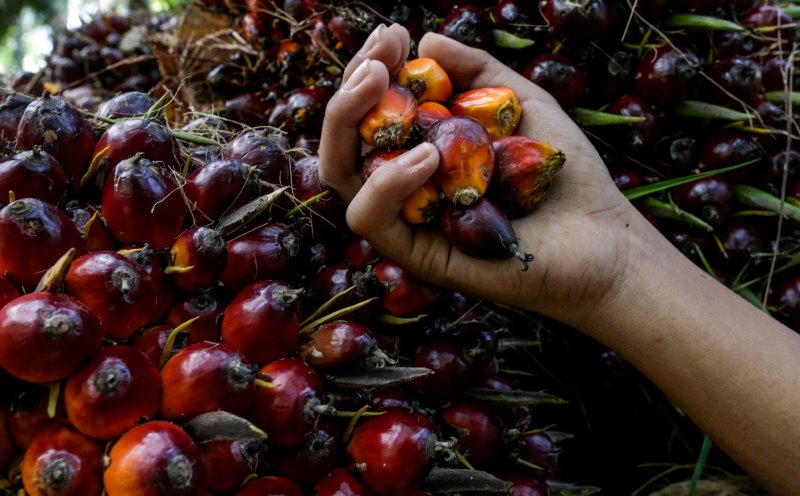
Malaysian palm oil futures began modestly higher on Thursday, following four consecutive days of declines. This uptick was driven by a stronger performance of rival Dalian oils and India's reduction of import duty on edible oils, including palm oil and soyoil. However, the gains were limited by weaker Chicago soyoil prices and lower crude oil rates, which softened the support for palm oil, used in both food production and biofuel generation.
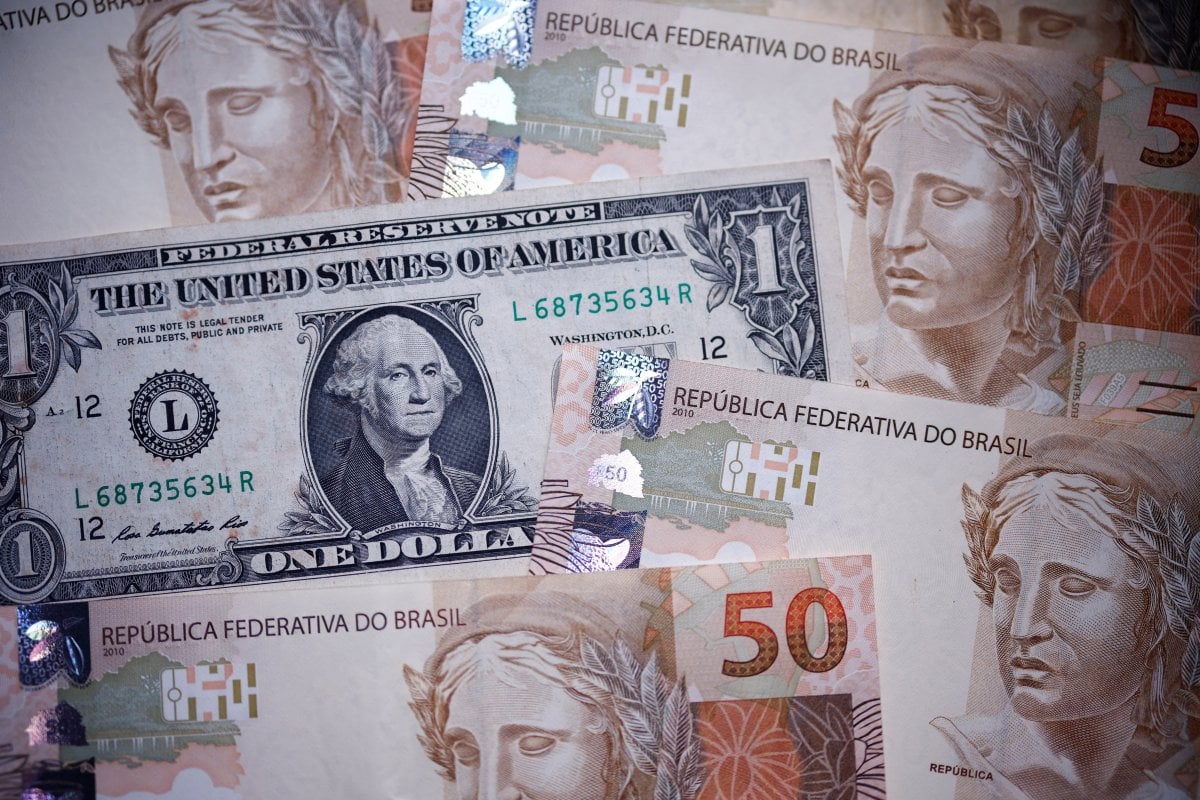
The December palm oil contract on the Bursa Malaysia Derivatives Exchange rose 0.23%, reaching RM4,779 (US$1,170.75) per metric ton in early trading. Similarly, Dalian's prominent soyoil contract increased 0.22%, while its palm oil contract climbed 0.47%. Meanwhile, soyoil prices on the Chicago Board of Trade slipped 0.44%.
Palm oil follows the price fluctuations of other edible oils, as it competes for market share. Oil prices experienced a slight decline, following a four percent surge the previous day, as Iran indicated willingness to engage in diplomacy to resolve tensions with the US, though diplomatic solutions remain elusive. The weakening of the ringgit, the commodity's trading currency, by 0.05% against the dollar, made palm oil slightly more affordable for buyers utilizing foreign currencies.
India recently lowered the basic import duty on crude and refined edible oils, encompassing palm oil, soyoil, and sunflower oil, in an effort to reduce prices during the peak festive season. Should palm oil encounter support at RM4,732 per ton, a drop below this level might trigger a decline to the RM4,677 to RM4,711 range, according to Reuters technical analyst Wang Tao.
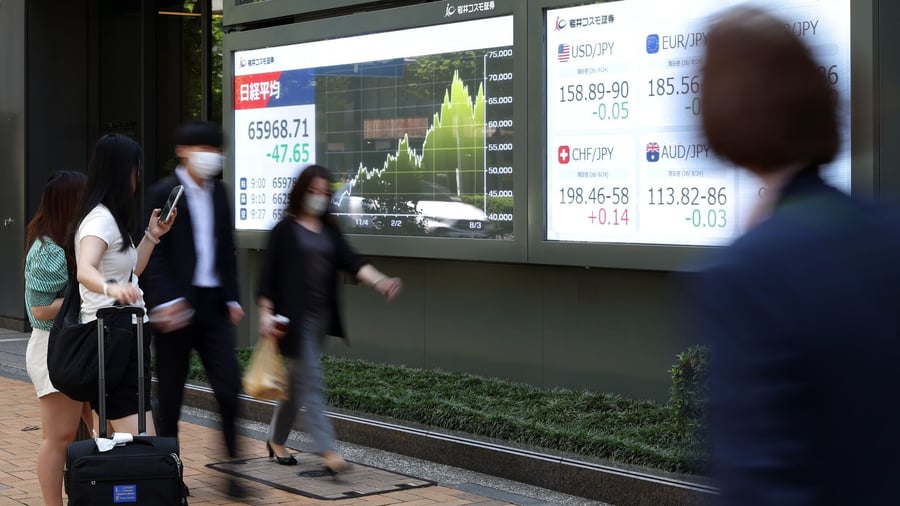
Debt markets were on edge on Thursday, as Japanese bonds followed a similar downward trend to US Treasuries, while Asian equities exhibited mixed performance amidst growing Middle East tensions and uncertainties surrounding potential US-China negotiations.
Written by urgent.news from New Straits Times's reporting — not their text. Machine-written — may contain errors; check the original before relying on it.