Ontario posts $13B deficit as spending on health care, education and infrastructure reaches record levels
Ontario ended the 2025-26 fiscal year with a $13-billion deficit, outperforming the government’s budget forecast, as spending on health care, education and infrastructure climbed to historic levels amid economic uncertainty and ongoing concerns about the impact of U.S. tariffs. The province released its final audited financial statements Thursday through the 2025-26 Public Accounts, reporting…
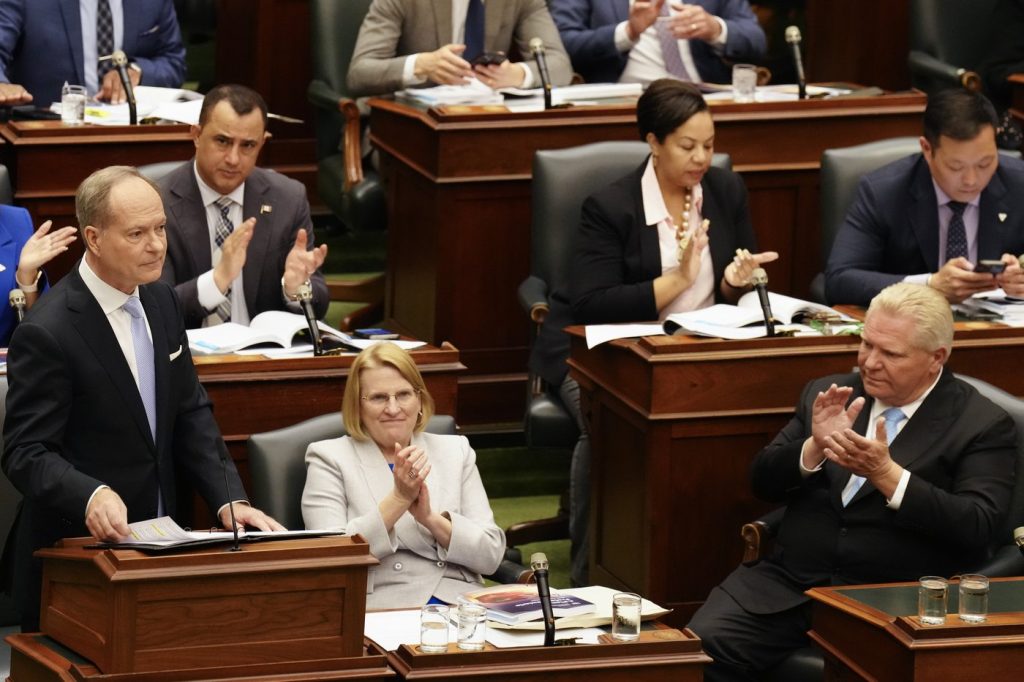
Ontario concluded the 2025-26 fiscal year with a $13 billion deficit, surpassing the government's budget projections. This deficit was primarily due to record spending on health care, education, and infrastructure. The province's total program spending amounted to $220.9 billion, a 4.7% increase from the previous year. Treasury Board President Kinga Surma lauded the government's efforts to create a competitive, resilient, and self-reliant economy in the G7.
The improved fiscal outcome was attributed to stronger-than-expected tax revenues, increased income from government business enterprises, and other non-tax revenue sources. Health care spending saw the largest increase, rising by $6.6 billion or 7.2% due to investments in hospitals, home care services, long-term care, and other health initiatives.
Education spending also grew by $2.3 billion, a 6.1% increase, supporting child-care initiatives, school repairs, and new constructions. Infrastructure spending increased by $1.9 billion, funding projects like hospitals, public transit, highways, and broadband expansion. Meanwhile, the province benefited from lower-than-expected debt servicing costs, with interest and debt servicing charges being $747 million lower than forecast.
Finance Minister Peter Bethlenfalvy emphasized a balanced fiscal approach during economic volatility. The government also highlighted tax relief measures, continuing to reduce the tax burden on individuals and businesses by approximately $12 billion annually. The release of the financial statements comes amid concerns about long-term spending pressures and potential economic risks such as U.S. trade actions and tariff disputes.
Written by urgent.news from CityNews's reporting — not their text. Machine-written — may contain errors; check the original before relying on it.