Oil prices settle up about 3% as Houthi attack on Saudi Arabia lifts supply fears
Oil prices surged about 3% to a one-week peak on Thursday following a Houthi missile strike on Saudi Arabia, reigniting concerns about potential supply interruptions, although trading was erratic and prices retreated from session highs after reports of US-Iran negotiations to reopen the Strait of Hormuz. Brent futures increased $3.52, or 3.4%, to settle at $106.60 per barrel, while US West Texas Intermediate crude rose $2.45, or 2.7%, to $94.61 per barrel.
Both contracts ultimately closed up around 5% at their highest points. Saudi Arabia successfully intercepted six ballistic missiles launched by Iran-backed Houthis, preventing strikes on the southern Taif province and Yanbu area on the Red Sea, as per the Saudi-led coalition in Yemen. In response to new US sanctions, Iranian airlines were barred from neighboring nations like the UAE and Oman, marking the first substantial effect of the US' strategy to penalize entities in third countries that engage with Iranian firms through secondary sanctions.
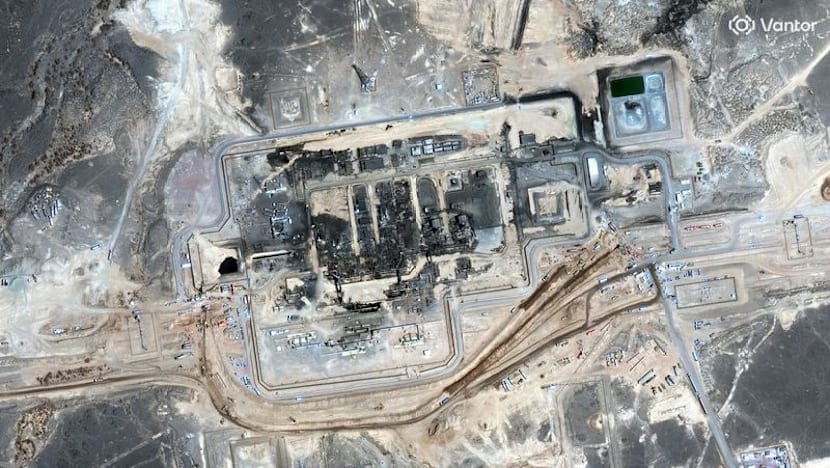
The US has extended its financial sanctions to include companies from third countries that do business with Iranian entities, a practice known as secondary sanctions. On Wednesday, Iran threatened retaliation against countries complying with the US prohibition on its flights by rendering their airports unusable. Saudi Arabia is concurrently ramping up crude pumping volumes through its East-West Pipeline leading to the Red Sea export hub of Yanbu, although tanker loadings have not yet resumed, according to industry sources, satellite imagery, and shipping data.
Discussions between US and Iranian negotiators in New York aim to find a phased resolution to the war, which would require Tehran to reopen the Strait of Hormuz and Washington to lift its economic embargo on Iran. The strait serves as the focal point for talks to end the nearly seven-month US-Iran conflict, with Iran seeking relief from the US blockade crippling its economy and the US desiring unobstructed passage for ships on the global oil supply route currently blocked by Tehran.
Neither side is willing to cede its leverage, as stated by Iranian and regional sources as well as Western diplomatic sources. High diesel prices due to supply disruptions have prompted ongoing contacts between the European Union and the US. The US reportedly intends to prohibit diesel exports, a measure the EU deems detrimental to both parties.
Global diesel supplies are scarce due to Moscow's ban on exports resulting from Ukrainian attacks on Russian refineries and energy infrastructure. Adding to the pressure on supplies are Iranian attacks on ships and energy infrastructure in the Middle East. US Energy Secretary Chris Wright has consulted with executives of major American refiners to assess support for a voluntary restriction on diesel exports as the administration explores alternatives to a short-term ban, according to three people familiar with the discussions.
Politico reported that the US was contemplating a 90-day ban on diesel exports due to a price spike ahead of the November midterm elections. However, Wright has refuted this claim. Analysts and market observers have cautioned that a US diesel export ban would likely have little impact on easing high energy prices and could exacerbate global supplies, further disrupting economies.
Written by urgent.news from Investing.com's reporting — not their text. Machine-written — may contain errors; check the original before relying on it.
This story
This is one outlet's version. Read the fullest account.
- Oil prices settle up about 3% as Houthi attack on Saudi Arabia lifts supply fears channelnewsasia.com
- Oil prices settle up about 3% as Houthi attack on Saudi Arabia lifts supply fears businesstimes.com.sg
- Oil prices settle up about 3% as Houthi attack on Saudi Arabia lifts supply fears investing.com